



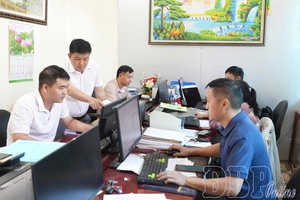
In recent years, Điện Biên province has always paid attention to the training and fostering of human resources operating in the tourism sector towards modernization. Among these, digital skills are an important factor, meeting the current requirements for smart tourism development. Reality shows that many accommodation facilities, travel agencies, and tourist destinations in the province have initially applied digital platforms in promoting and introducing products and services. Social media platforms, websites, and online booking apps are being exploited effectively, contributing to expanding the tourism market and attracting tourists. However, the level of application is not uniform, mainly concentrating in the central areas, while community tourism destinations and remote areas still face limitations.
.jpg)
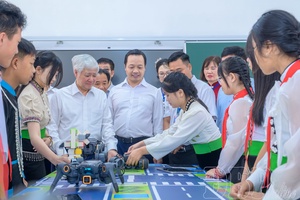
One of the major barriers is the limited digital skills of tourism workers. Most operate under a family business model. Since tourism workers often originate from rural areas, the application of technology, online promotion, and customer management still encounter much confusion. Clearly identifying this reality, the provincial Culture, Sports, and Tourism sector has stepped up training and coaching activities to enhance digital skills for the tourism workforce. The content focuses on communication and promotion on digital platforms, as well as skills in writing articles, taking photos, shooting videos, editing content, and effectively exploiting social media.
.jpg)
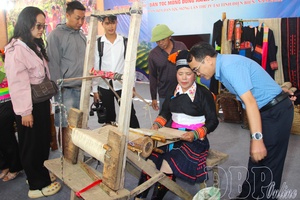
From these training classes, many tourism workers have begun to change their approach, shifting from passively to proactively promoting the image of their destinations. Typically, Lò Chúc Chi, Director of the Hoa Ban Trắng Cooperative in Mường Lay ward, has boldly brought the traditional products of the White Thai people to the digital environment. From specialties such as Khẩu xén and Chí chọp, Lò Chúc Chi and the cooperative members developed content introducing the production process and the cultural stories attached to each product, sharing them on social media. The application of technology has helped the products reach multiple customer bases across provinces and cities nationwide. According to Lò Chúc Chi, when bringing products to social media, they not only sell goods but also introduce the culture of the White Thai people. Customers understand the products and have trust in the cooperative, and thanks to that, the output is more stable, and more people know about Mường Lay.
.jpg)
Not stopping at participating in training classes, many tourism workers in the province have proactively learned and cultivated skills in producing short clips on social media platforms. This helps them quickly adapt to the digital environment and improve promotion efficiency. Clearly recognizing the positive impact of digital communication, Lò Văn Đức, owner of Phương Đức Homestay in Che Căn village, Mường Phăng commune, has maintained the practice of taking photos and shooting videos of tourist groups staying at his home to post on social media platforms. From welcoming activities and organizing experiences to the close and authentic living moments of tourists, everything is recorded and shared, attracting the attention of a large audience. Lò Văn Đức stated that by taking advantage of social networks for promotion, the number of guests coming to his family’s homestay during the recent April 30 and May 1 holidays increased by more than 14% compared to normal days. This serves as a motivation for them to continue learning, improving their skills, and introducing the local tourism image to many visitors.
.jpg)
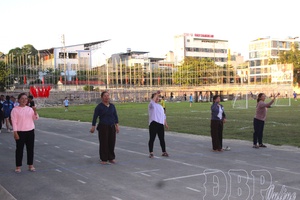
Trần Hải Hà, Acting Director of the Department of Culture, Sports, and Tourism, noted that in the coming time, they will continue to expand and elevate propaganda activities on digital platforms in a more methodical, professional, and effective direction. In particular, they will step up the application of digital platforms, modern science and technology, and artificial intelligence in propaganda work. They will also encourage cadres, civil servants, and public employees to proactively participate in content creation, thereby forming an on-site digital media force, ensuring timeliness, accuracy, and consistency in propaganda information, and creating closeness between cadres, civil servants, public employees, and the people and tourists. At the same time, the Department focuses on coordinating and closely cooperating with relevant functional agencies and state management bodies to strengthen the management, supervision, and orientation of information in cyberspace, ensuring that propaganda activities strictly comply with legal regulations.
.jpg)
Enhancing digital skills for tourism workers is a long-term strategic solution, contributing to transforming the tourism development model in a modern and sustainable direction. When every tourism worker becomes a digital ambassador, telling the story of Điện Biên in the language of technology, the historical, cultural, and landscape values of this land will have the opportunity to spread more strongly, attracting an increasing number of tourists to the province in the coming time.
Diệp Chi
.jpg)
.jpg)
.jpg)
.jpg)
.jpg)
.jpg)

.jpg)
.jpg)
You have 500/500 characters left
Please enter 5 or more characters!!!