



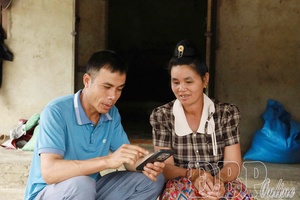
As society becomes more modern and living standards improve, a growing number of students, particularly at lower and upper secondary levels, own internet-connected smart devices such as smartphones, computers and iPads. Students’ personal use of mobile phones during and outside school hours has become a shared concern among teachers, schools and parents. At an age marked by curiosity and limited experience in protecting themselves online, inappropriate use of smart devices can negatively affect students’ learning and healthy development.
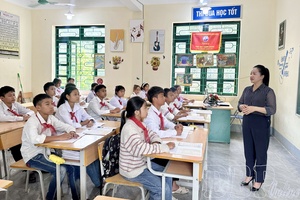
In highland areas, ownership of smart electronic devices such as mobile phones among students is increasingly common. To prevent overuse, many schools have implemented management measures to ensure phones are used solely for learning purposes and maintaining contact with families. Tủa Chùa Ethnic Minority Boarding High School has 13 classes with more than 450 students. As a boarding school where students live and study on campus, the school has, since the beginning of the academic year, introduced a range of measures to manage and guide students in using mobile phones and smart devices in a regulated, effective and safe manner.
.jpg)
Nguyễn Văn Huynh, Principal of Tủa Chùa Ethnic Minority Boarding High School, said the school strictly enforces schedules and regulations throughout the school year. Boarding students are allowed to use mobile phones for family contact, entertainment, or asking teachers and classmates about lessons for about one hour before bedtime. For subjects that require mobile phones to enhance teaching and learning quality, such as online practice tests, data searches or accessing academic forums, teachers notify and register usage by lesson, and only then are students permitted to use their phones.
To further curb excessive phone use, Tủa Chùa Ethnic Minority Boarding High School has organized a wide range of extracurricular activities since the start of the school year, including cultural and artistic movements and club activities. These include subject-based clubs, music clubs, embroidery clubs, and traditional dance and singing groups. Through participation in these clubs, students pursue their interests, engage in healthy learning and social activities, increase face-to-face interaction with teachers, and reduce reliance on electronic devices.
Within the school environment, tighter management of smart device use is oriented toward encouraging positive behaviors. Along with supervision, schools and teachers place strong emphasis on accompanying and guiding students to effectively tap into the vast body of knowledge easily accessible in cyberspace.
Hoàng Xuân Bình, Principal of Quài Tở Lower and Upper Secondary School, said the school has nearly 1,200 students. In addition to strictly controlling phone use in classrooms, teachers in IT classes guide students in using electronic devices for online revision, testing and assessment, and applying artificial intelligence (AI) to search for and exploit information and data effectively and safely. Thanks to effective supervision, students not only strengthen their use of smart devices for learning but also improve their capacity and experience in protecting themselves online.
Lò Thị Thúy Ngân, a 12C3 student at Quài Tở Lower and Upper Secondary School, shared that with teachers’ guidance and the use of learning data on online platforms, she was able to research and develop the idea of a “Smart digital library - a solution for managing books and readers in schools”. She competed in the provincial level science and technology competition and won second prize in the embedded systems category. “I feel that when students are guided to use smart devices properly in school, the benefits can be enormous”, she said.
Through supervision and guidance in using technology for learning and examinations, students develop awareness and a sense of responsibility. This helps form long term positive habits in using smart devices effectively and safely in cyberspace.
Trần Nhâm

.jpg)

.jpg)
.jpg)
.jpg)
.png)
.jpg)
.jpg)
.jpg)
.jpg)
.jpg)
.jpg)
You have 500/500 characters left
Please enter 5 or more characters!!!