



The rollout of the “Digital Mass Education” movement has contributed to narrowing the digital divide, creating developmental momentum across the border regions of Điện Biên.
Situated about 10km from the center of Nậm Kè commune, Huổi Thanh 1 village is home to 98 households and 546 residents of the Sán Chỉ and Dao ethnic groups. Local livelihoods remain arduous, with the poverty rate hovering around 40%. A new trajectory opened developmental prospects for local residents when the communal Party committee and local authorities guided Huổi Thanh 1 to become a community-based tourism village. To realize this objective, the village Party cell mobilized Party members and youths to learn digital skills and capitalize on social networks to showcase natural landscapes, ethnic cultural identities, and fine facets of daily life. The Huổi Thanh 1 village Party Cell also dispatched Party members and young people to undergo training in digital content creation across diverse platforms.
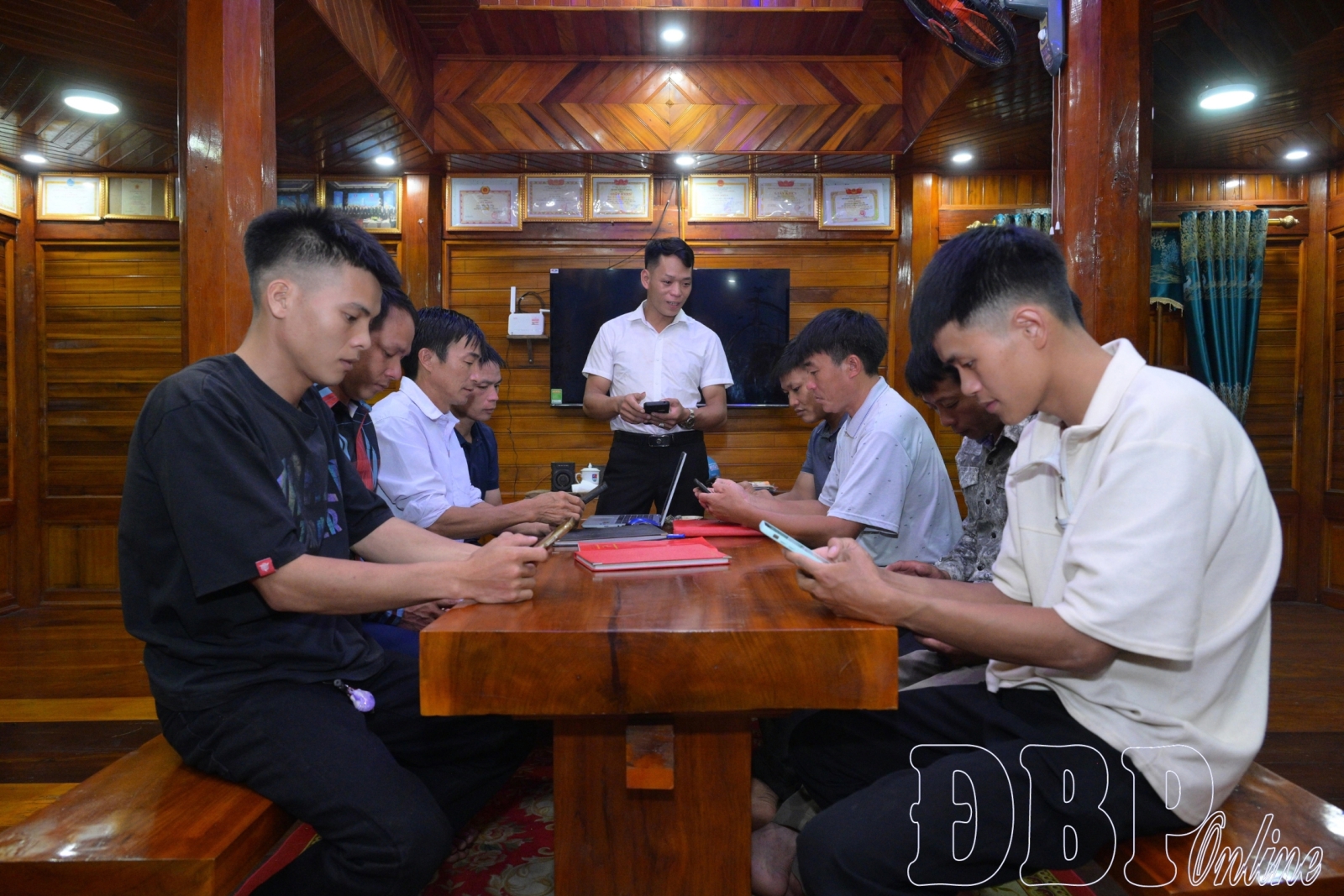
As a trailblazing young Party member, Đặng Văn Trọng (born in 1997) early on recognized technology’s potential in promoting the homeland’s image. A few years ago, driven by passion, he began filming videos and established a YouTube channel introducing the scenery, culture, and life of Huổi Thanh 1 residents. However, he realized that producing high-quality content that captivates viewers required systematic knowledge and skills. Encouraged and motivated by the Party cell, Trọng decided to travel to Cà Mau to learn digital content production experience from social media influencers.
Returning from his study trip, Trọng consulted with his wife to allocate over VND 20 million of their savings to purchase a computer and video camera for his work. For a highland family, this was a considerable investment; however, he believed that captivating visuals and authentic stories of the homeland shared across the digital environment would help attract tourists, unlocking further livelihood opportunities for villagers. Sharing his decision, Trọng noted: “Our village boasts distinctive Dao and Sán Chỉ cultures and scenic landscapes with terraced fields and primeval forests. If we do not bring those treasures onto social networks, how will tourists ever know to visit? The investment money for equipment was our entire marital savings, but as a Party member, if I don’t take action, who else will initiate it?!”
Also choosing technology as a bridge to introduce the homeland’s image to friends far and wide, Chang Khừ Pứ, a Hà Nhì ethnic woman from Tá Miếu village, Sín Thầu commune, is contributing to showcasing the beauty of the A Pa Chải region through social media videos. Born and raised amid the westernmost mountain forests, Pứ understands and cherishes her ethnic group’s traditional cultural values. Upon returning home after graduating from university, she utilized a smartphone to capture authentic glimpses of everyday life: traditional culinary dishes, ethnic attire, ram-earth houses, and natural landscapes along the tri-border junction. These intimate stories shared on her channel, HaNiChang, have attracted broad attention across online communities.
Pứ’s videos are crafted from raw real-life materials, offering viewers a genuine feel for Hà Nhì culture. Certain videos have garnered 2.2 million views, with many drawing between 1.2 and 1.7 million views. The HaNiChang channel previously attained nearly 31,500 followers, reaching viewers across Japan, Thailand, China, and the United States. Chang Khừ Pứ shared: “Using social media carries profound meaning for me in preserving and spreading our ethnic cultural identity. I hope that through videos of daily routines, customs, and Hà Nhì cultural charms, viewers gain a deeper understanding of the people and lands along the frontier. In addition to creating content, I also share experience and guide Youth Union members, youths, and villagers in applying technology to showcase our homeland.”

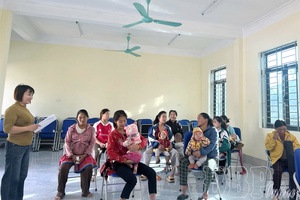
The “Digital Mass Education” movement is receiving focused implementation from border localities, aiming to equip cadres and citizens with essential skills. Universalizing knowledge on using smartphones, harnessing information on the internet, accessing online public services, utilizing cashless payments, and safeguarding information security has progressively helped ethnic minorities adapt to digital environments, elevating technological application in daily life and production.
In the border commune of Mường Nhé, developing digital human resources is prioritized by local Party committees and administrations. To date, 100% of cadres, civil servants, public employees, and Community Digital Technology Team members have attended and completed a minimum of six “Digital Mass Education” courses. Hamlets and residential clusters maintain activities guiding citizens to access and utilize essential digital services and platforms, progressively cultivating habits of technological adoption in living routines and production.
Tạ Văn Sơn, Secretary of the Mường Nhé commune Party Committee, stated: “We determine that developing digital human resources is one of the pivotal tasks driving digital transformation at the grassroots level. First and foremost, the contingent of cadres, Party members, and Community Digital Technology Team members must be equipped with knowledge and skills, directly guiding and assisting citizens in utilizing technology suited to practical needs. Gratifyingly, the people’s awareness has seen clear shifts, step by step learning to leverage smartphones, social media, and e-commerce platforms to promote products and seek off-take markets.”
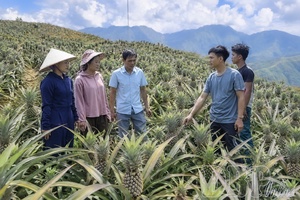
Signature specialties such as wild honey, dried bamboo shoots, and pineapples from Mường Nhé enjoy expanded market access through e-commerce platforms like PostMart, Shopee, and TikTok Shop. Technological adoption provides residents with added promotional channels and customer connectivity, progressively lessening reliance on traditional trading practices. The smartphone has steadily transformed into a tool supporting production and business, expanding economic development opportunities for border communities.
The journey of universalizing digital skills and applying digital technologies across the fatherland’s westernmost frontier demonstrates that digital transformation has genuinely penetrated daily life. As citizens learn to harness technology to promote their homeland, develop production and business, and access knowledge, the digital divide will be progressively bridged, providing added momentum for local socio-economic development.
Diệp Chi







You have 500/500 characters left
Please enter 5 or more characters!!!