



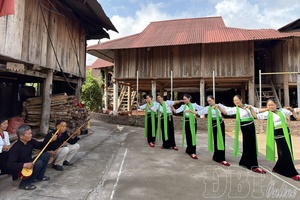
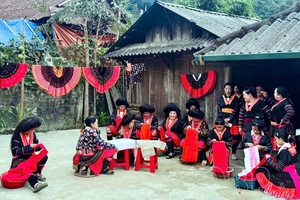
Tìa Ló village, Pu Nhi commune, nestles beneath the Phù Lồng mountain range at an altitude of over 1,200m above sea level. The year-round cool climate and crisp air create a pristine, poetic landscape. Coupled with its natural scenery, the distinctive traditional cultural traits of the Hmông people provide Tìa Ló with the comparative advantage to develop eco-tourism, resort tourism, and indigenous cultural experiences.
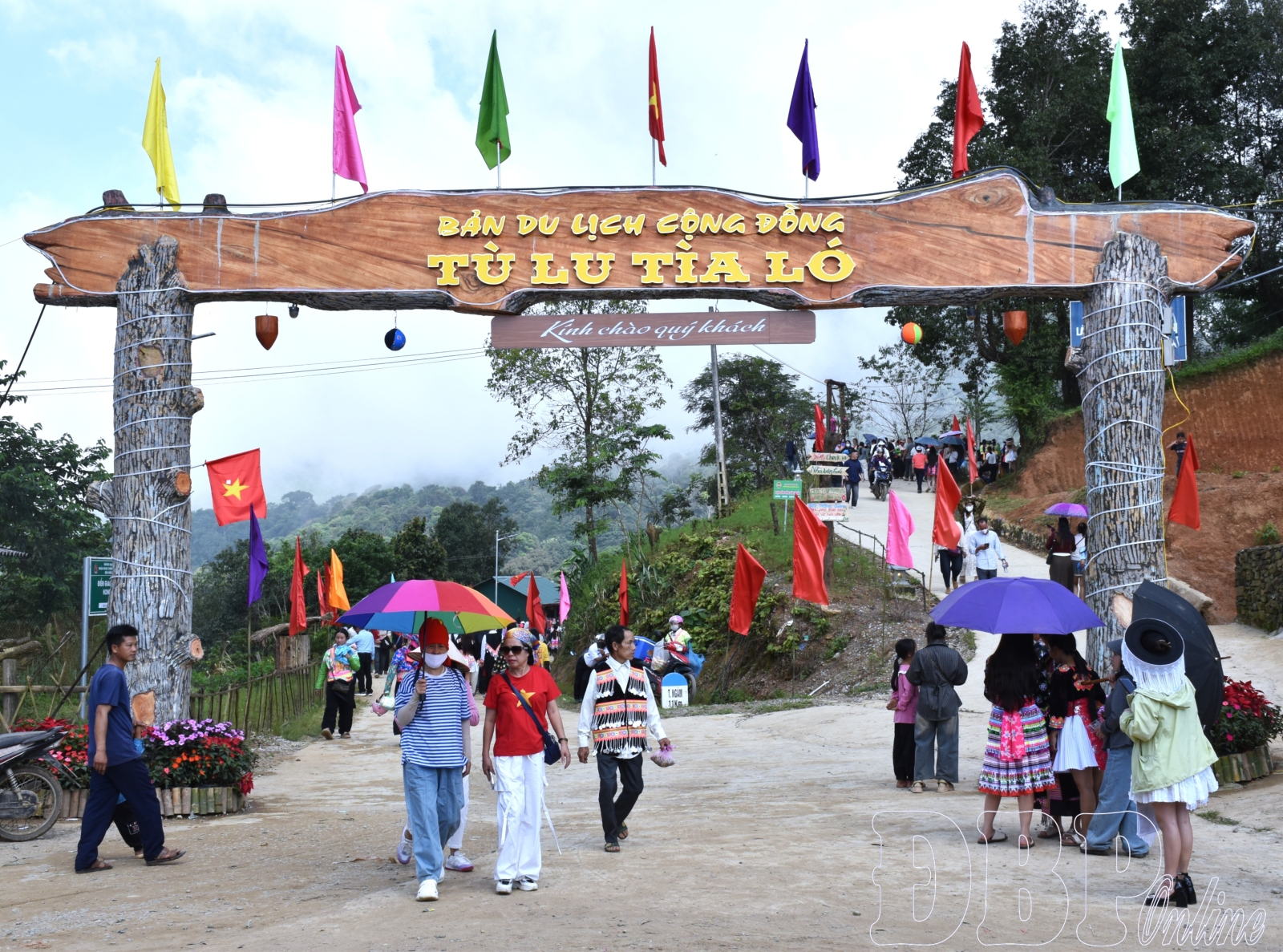
Its tourism potential was progressively awakened when the Tù Lu Tìa Ló community-based tourism site officially debuted on September 2, 2026. However, to achieve this initial success, beyond State support, 161 households in the village united their efforts, contributing over 2,500 labor days to build the community cultural house, spruce up village roads, clean the environment, and create landscapes. To date, the entire village has 15 households registered for tourism services, of which 5 have initially organized homestays and food services for tourists.
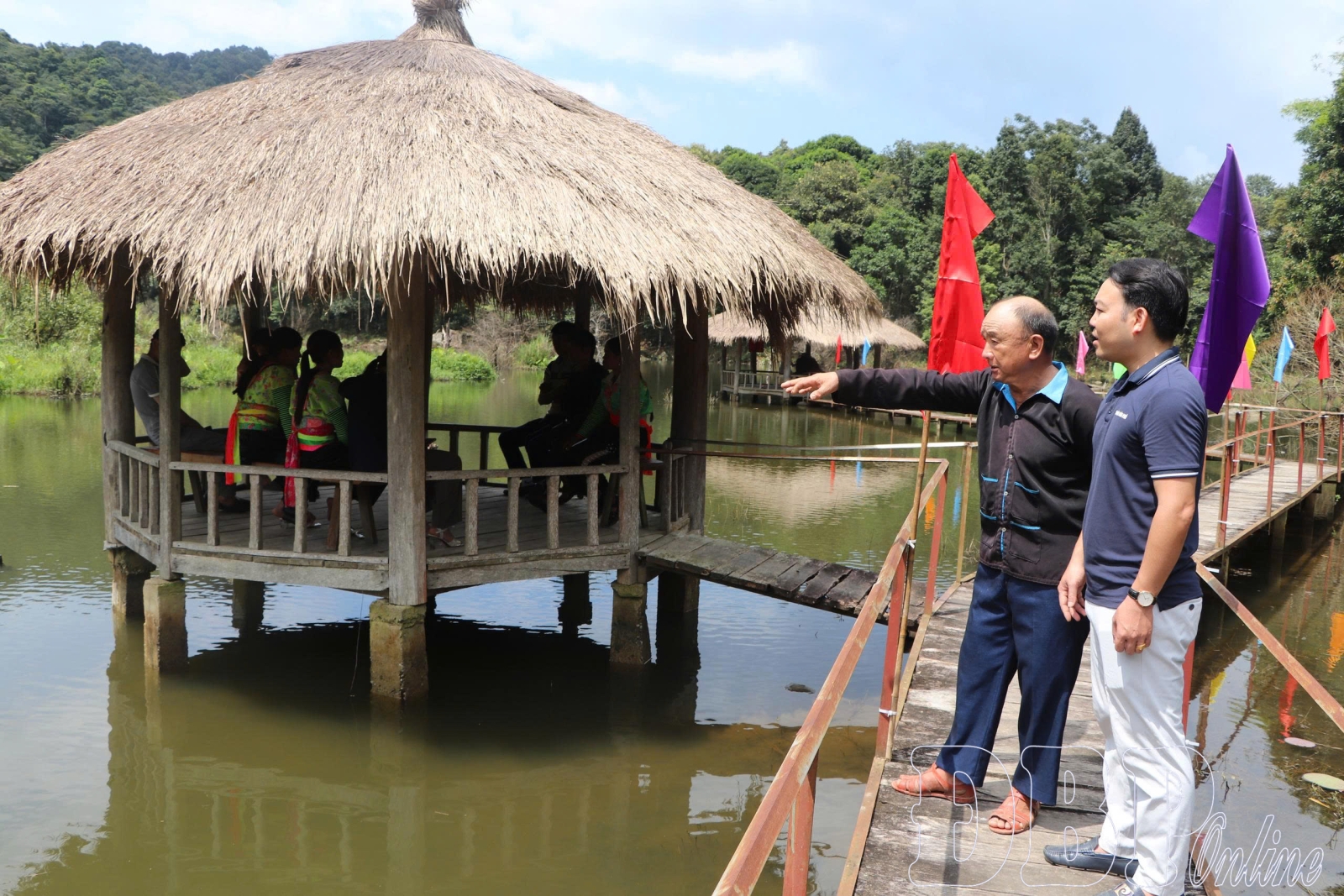
Vừ A Tà, one of the homestay operators in Tìa Ló village, shared: “To develop tourism, the village must be clean and beautiful, houses must be tidy, and villagers must join hands. Therefore, my family and others in the village actively contributed labor days to spruce up our homes and village roads. We want to preserve the culture of our ethnic group so tourists coming here can experience the life of the Hmông people, while we earn added income and achieve an increasingly better life.”
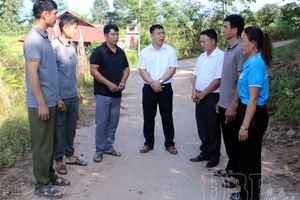
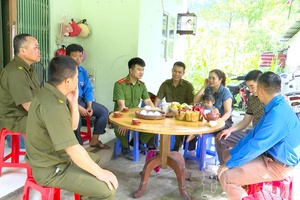
In Phiêng Vai village, Nậm Kè commune, for many years, the local security and order situation has remained firmly maintained. The village has no addicts and no occurrences of illegal trading, hoarding, or use of narcotics. This outcome stems from the consciousness and responsibility of every citizen in self-regulating, reminding one another to abide by the law, and jointly managing and educating their children to stay away from drugs, preventing social evils from infiltrating the community.
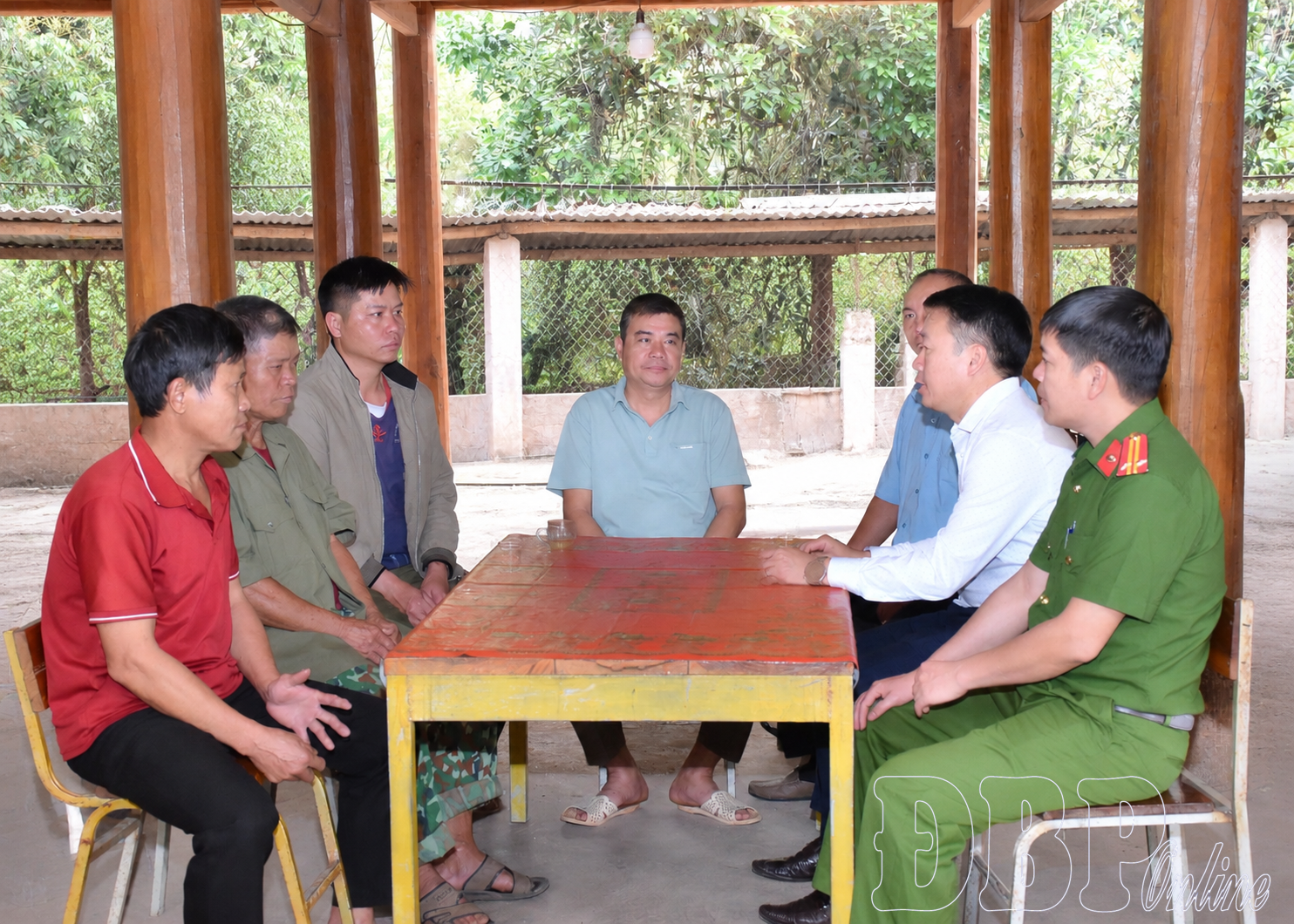
Lò Văn Nguyễn, Head of Phiêng Vai village, stated: “People here live affectionately; when one house has a matter to resolve, others pitch in to help. Preserving security and order is the same; everyone regularly advises each other. If anyone sees something inappropriate, they provide feedback and correct it, stopping small issues from escalating into big ones. In this way, everyone shares the consciousness to cultivate a peaceful life in the village.”
Not only in Phiêng Vai, to date, all 21/21 villages in Nậm Kè commune have firmly maintained their drug-free “battlegrounds.” At the end of 2025, the village was recognized as a drug-free commune by the provincial Council for Reviewing Drug-Free Communes.
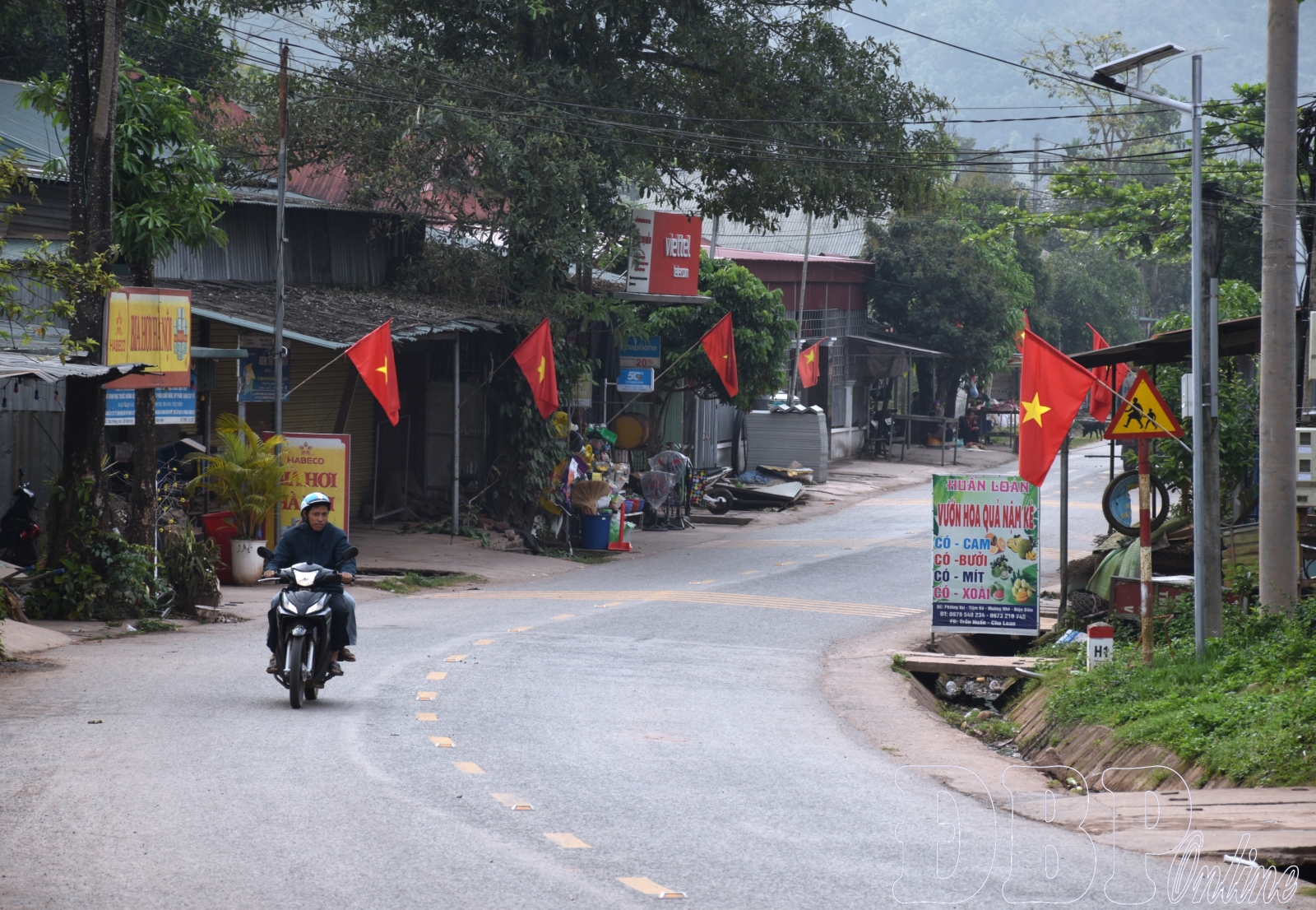
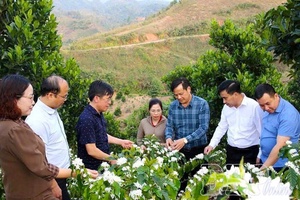
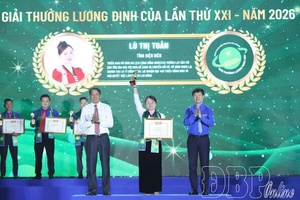
Although life still harbors difficulties, with the will and aspiration to rise up, many households across the province have proactively changed their mindsets and working methods, boldly developing economic models suited to their family conditions. Some plant coffee and macadamia; some raise livestock and poultry; others develop services or run small businesses. Everyone has a different approach, yet all share the desire to improve their lives through their own labor. More commendably, once incomes stabilized and lives gradually became more prosperous, many families proactively submitted applications to exit the poor household list, deferring State support to more disadvantaged households. For instance, Lường Văn Piến, from Hin village, Na Sang commune, proactively submitted an application to exit poverty.
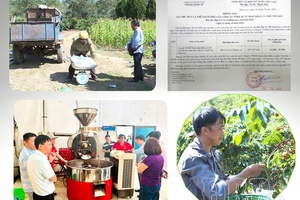
Lường Văn Piến’s family comprises four members. Previously, they primarily worked the swiddens with low economic efficiency. In 2024, he and his wife transitioned to working as rubber plantation workers, earning a monthly income of over VND 10 million. Stable employment provided the family with an additional income source, allowing them to better cover living expenses and care for their children. Piến shared: “Both of us have jobs and monthly salaries, so our family’s hardships have eased. Therefore, I decided to write an application to defer support to more disadvantaged households. My wife and I will continue to work hard and calculate our economic development so our life becomes increasingly stable.”
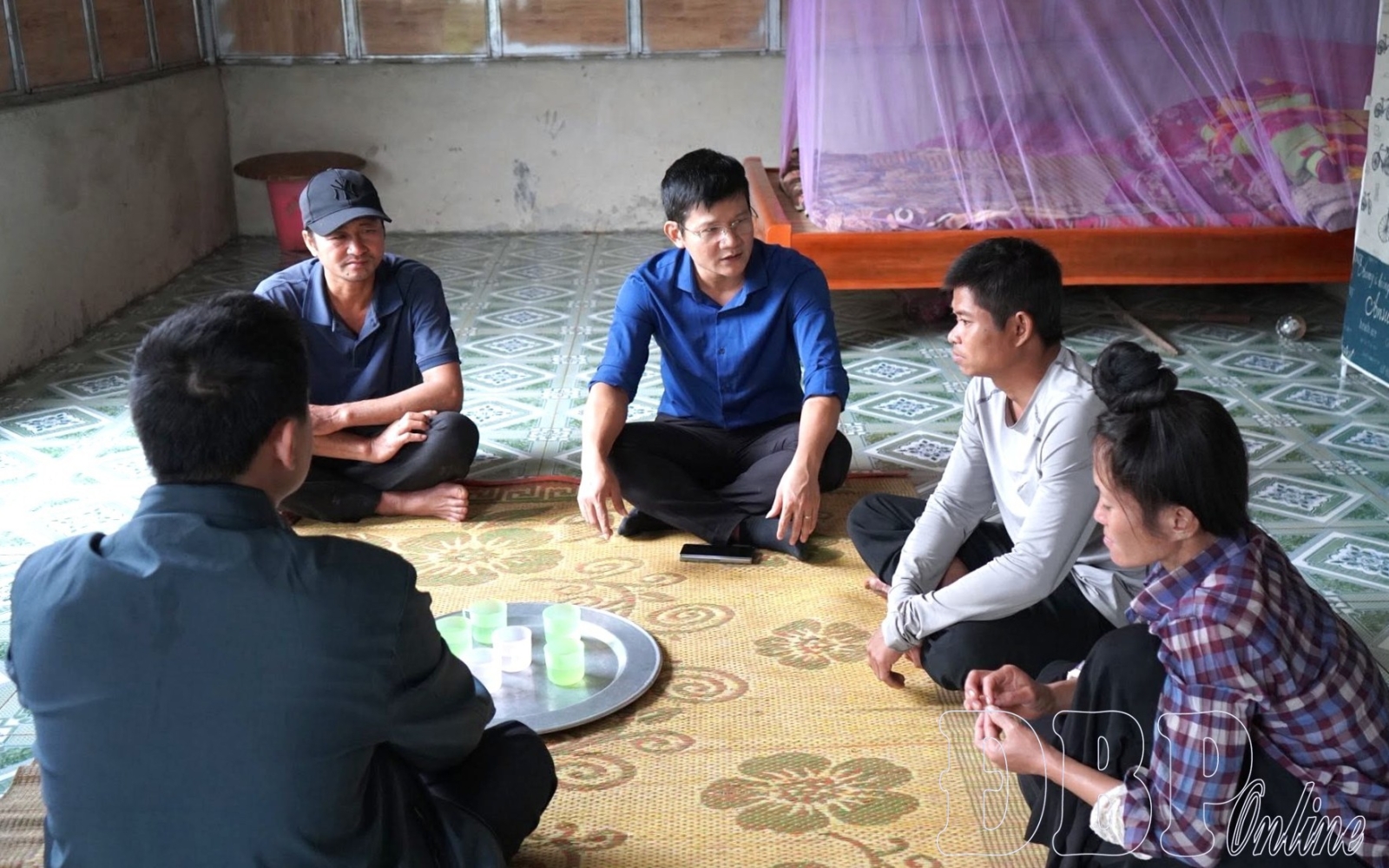
With a spirit of self-reliance, refusing to wait or depend on subsidies, many households in Na Sang commune have proactively risen to improve their lives. Since 2025, nearly 50 households in the commune have submitted applications to exit poor and near-poor status. Trần Hồng Quân, Chairman of the Na Sang commune People’s Committee, shared: “State support holds immense significance, helping citizens develop the economy and improve their lives. However, to escape poverty sustainably, the crucial factor remains the proactivity and determination to rise up of each family. Therefore, the commune continues to accompany residents in selecting suitable livelihood models and creating conditions for households to secure jobs and augment their incomes. Through this, we aim to realize the target of reducing the poverty rate below 10% by 2030.”
Điện Biên, alongside the entire country, enters a new developmental phase harboring numerous opportunities and expectations. On that journey, the attention and support of the Party and State are vital conditions, yet the strength, hearts, and consensual spirit of the people constitute the factor generating enduring power. When every citizen is conscious of their responsibility to the community, joins hands for the common good, and proactively rises in life, difficulties are progressively untangled, and villages become more peaceful and prosperous. That is the endogenous source of strength for Điện Biên to unleash its internal resources and build a homeland that is increasingly affluent, beautiful, and civilized.
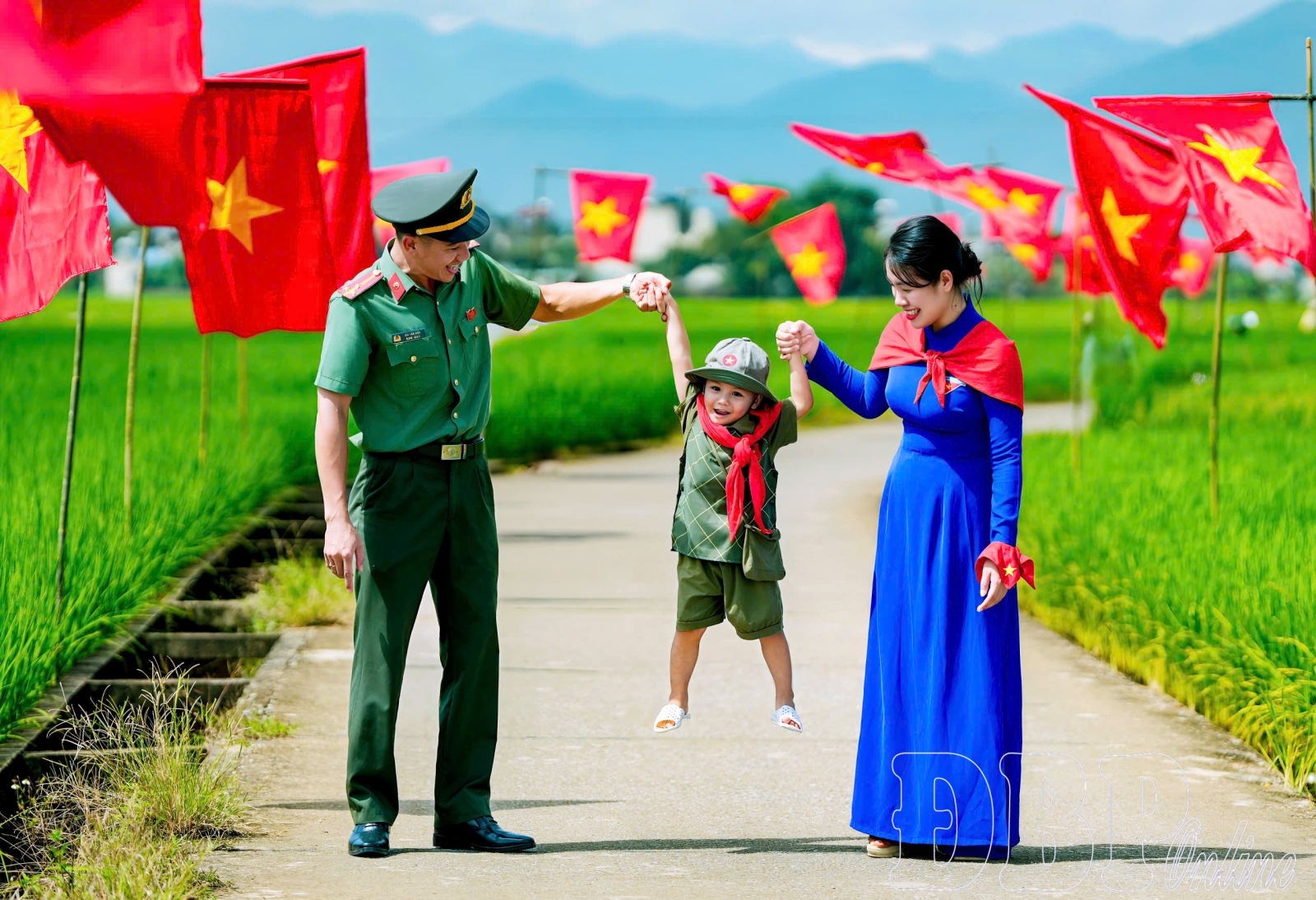
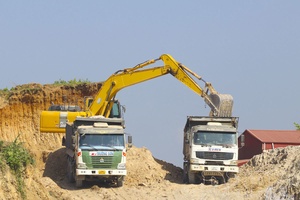
Joining hands to build new rural areas during the 2021-2025 period, the People across the province donated nearly 225,000m² of land and contributed over 69,000 labor days, with a converted value nearing VND 10 billion. Numerous self-management models in residential areas have been effectively maintained by the people, such as: Peaceful villages; self-managed security teams; bright, green, clean, and beautiful residential areas; drug-free families and clans; relocating livestock barns away from under stilt houses and living spaces; and planting forests to protect water sources.
Quang Long


You have 500/500 characters left
Please enter 5 or more characters!!!