



However, disbursement progress is uneven, many projects are slow in finalizing payment procedures, and bottlenecks regarding land, implementation organization, and product outlets need to be resolved early to enhance capital efficiency.
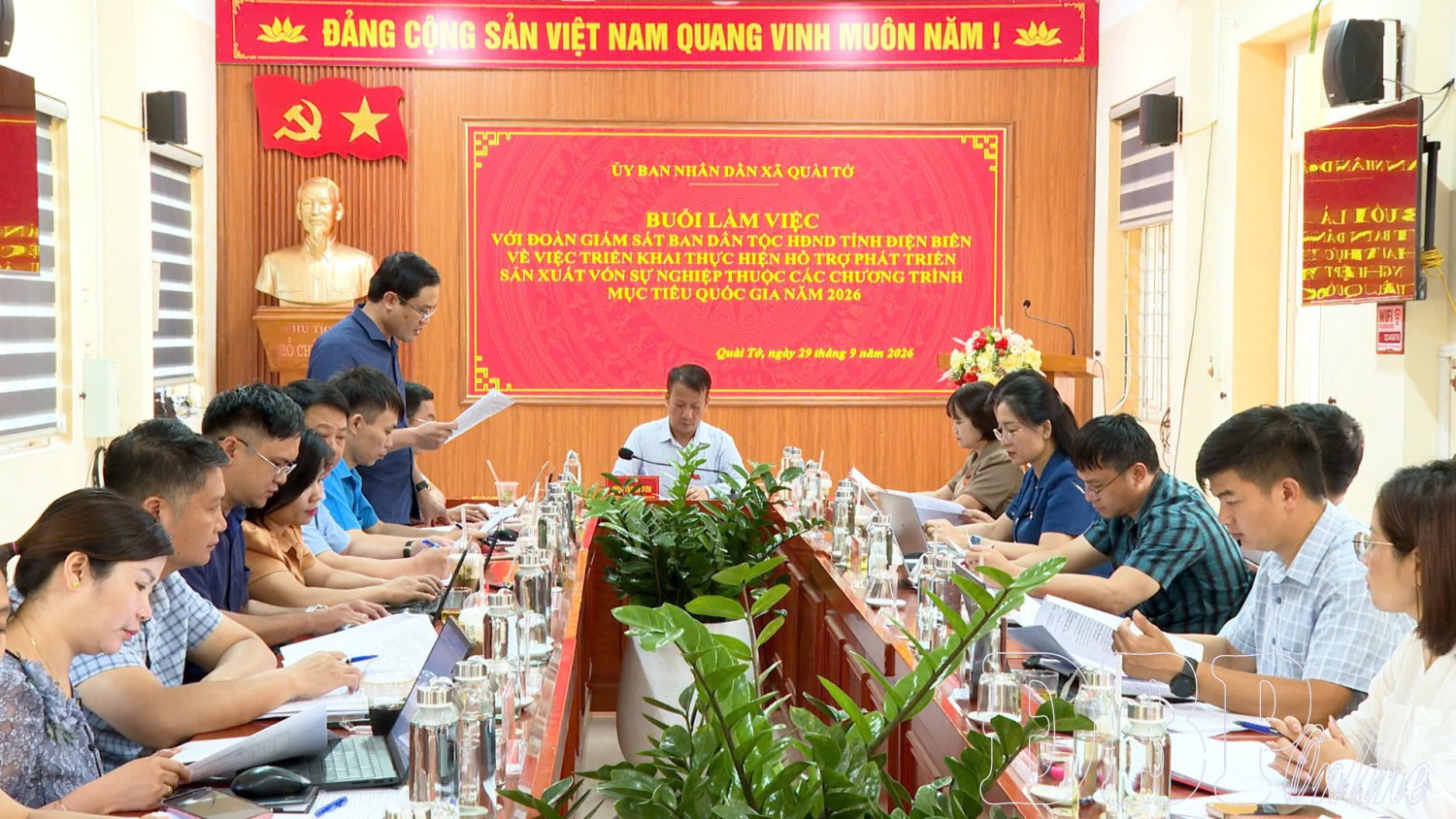
Executing production support projects, in 2026, Quài Tở commune was allocated nearly VND 19 billion. To date, the Quài Tở commune People’s Committee has approved 9 value chain-linked production development support projects tethered to coffee and macadamia products, including 6 projects deployed in 2026 and 3 projects from 2025 approved for adjustment.
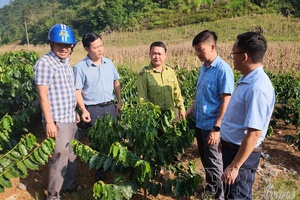
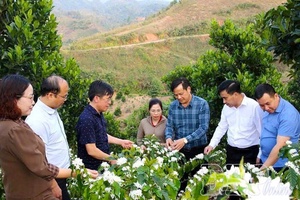
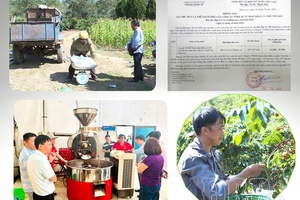
The family of Mùa A Tùng in Chế Á village is one of the households participating in the linked coffee planting project. Currently, his family has a total coffee area of 2ha, of which 1ha is in the harvesting phase, yielding about 6-7 tons of fresh coffee annually, and 1ha was newly planted this year. “Participating in the linkage model, my family reduced a portion of the initial investment costs; concurrently, we received technical guidance from cadres on planting and tending coffee, so we feel more secure during deployment,” Tùng shared.
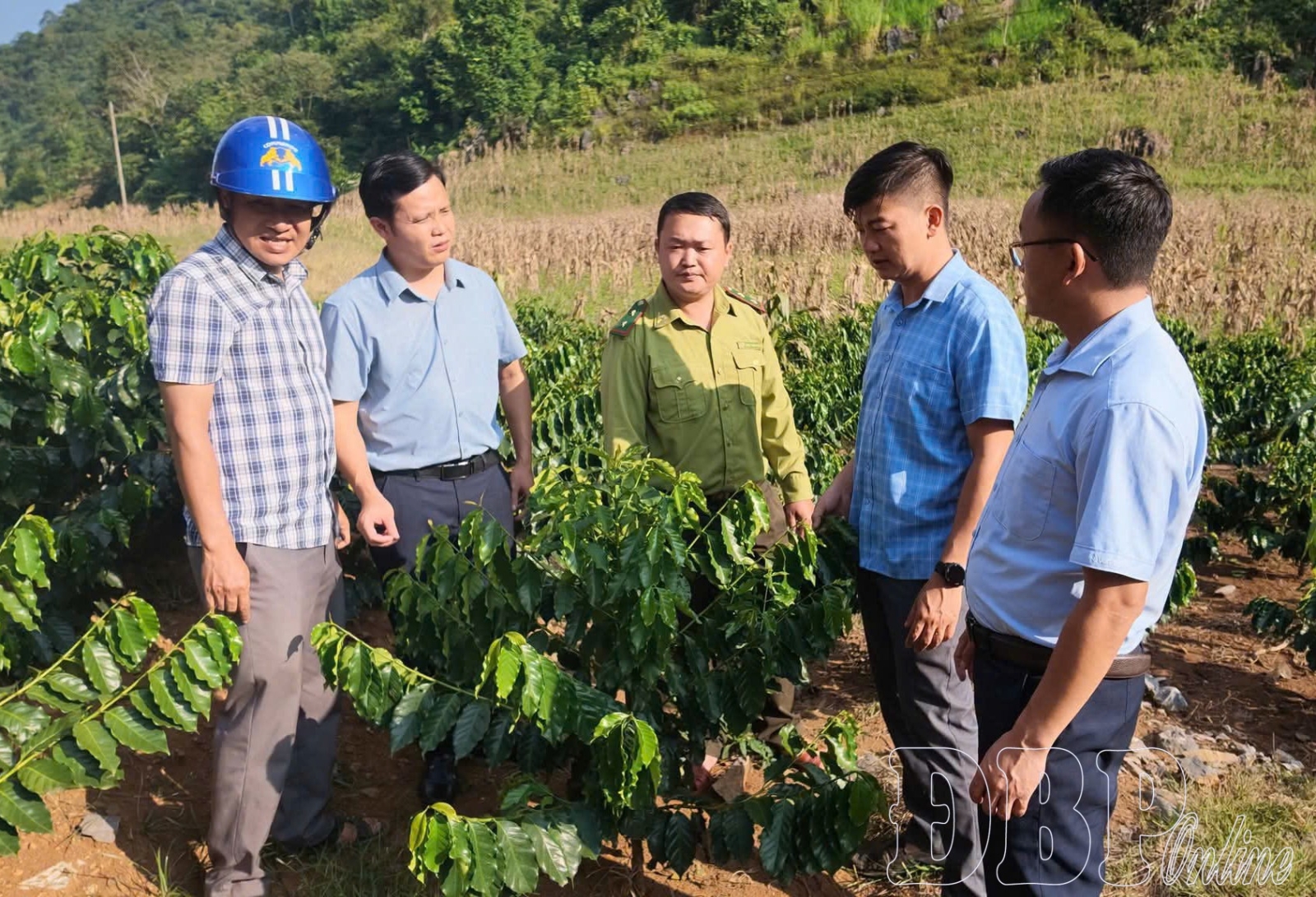
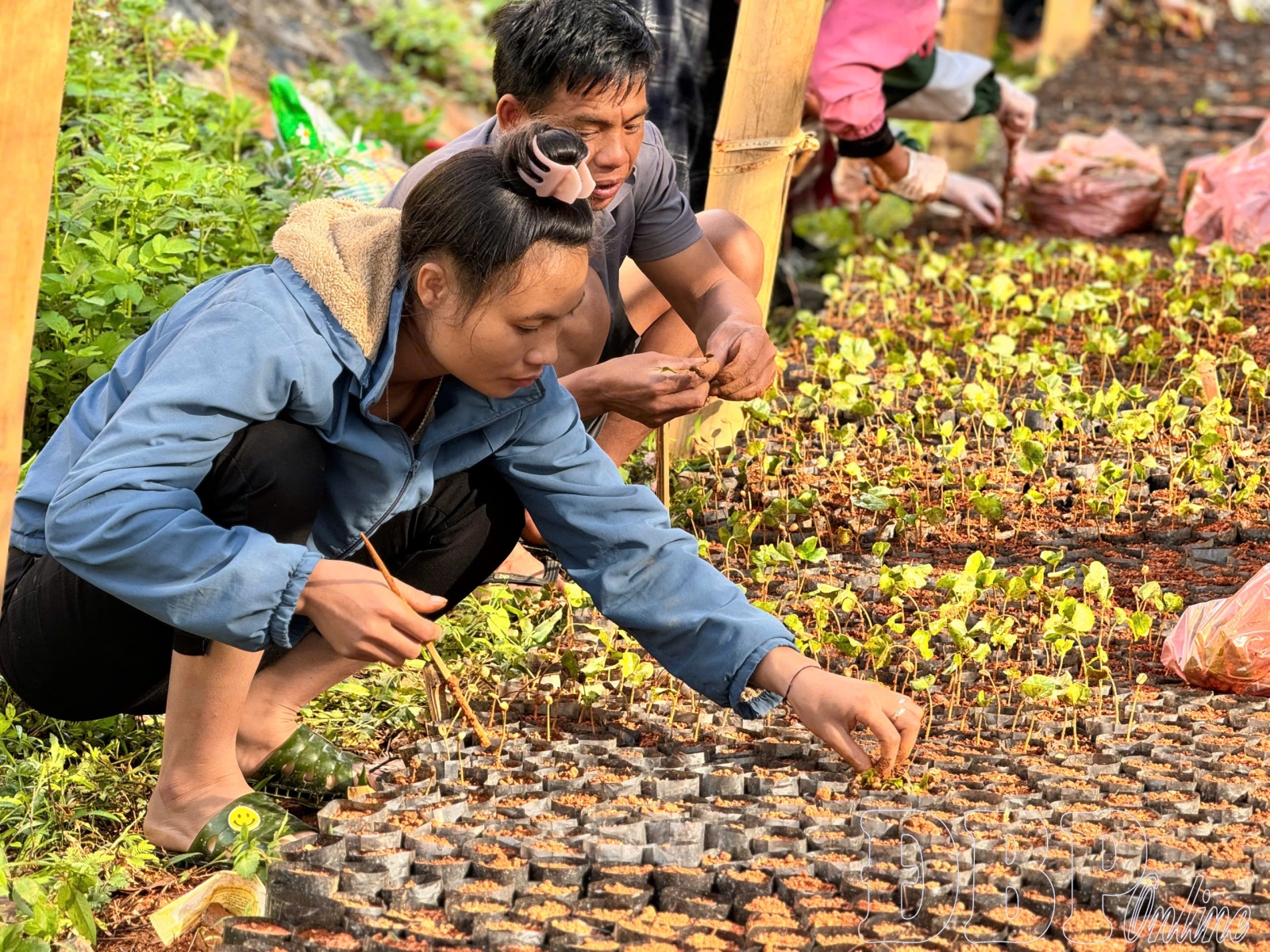
According to statistics from Quài Tở commune, to date, the total coffee planting area executed under production support projects reached 416.5ha, equating to 104% of the target; macadamia acreage reached 443.5ha, equating to 111% of the target, with 917 participating households. In preparing coffee seedlings, the commune’s total nursery area reached 350.36ha, of which 121.5ha received nursery support. The total area receiving coffee seedling support reached 295ha. For macadamia trees, the area receiving seedling support reached 443.5ha. Alongside supporting seeds and materials, the commune organizes technical guidance for planting and care. Through inspections, the newly planted coffee and macadamia areas are fundamentally growing well, with a survival rate exceeding 95%.
Nhữ Duy Đông, Chairman of the Quài Tở commune People’s Committee, stated: Deploying production development support projects is identified by the locality as a critical task to exploit land potential, expand flagship crop acreage, and create livelihoods for residents. The commune focuses on reviewing beneficiaries, guiding residents to strictly follow technical procedures, and strengthening inspections of the progress and quality of project items. During execution, the locality continues to review and finalize dossiers to accelerate disbursement progress, ensuring capital sources are utilized for the right purposes and promote their efficacy.
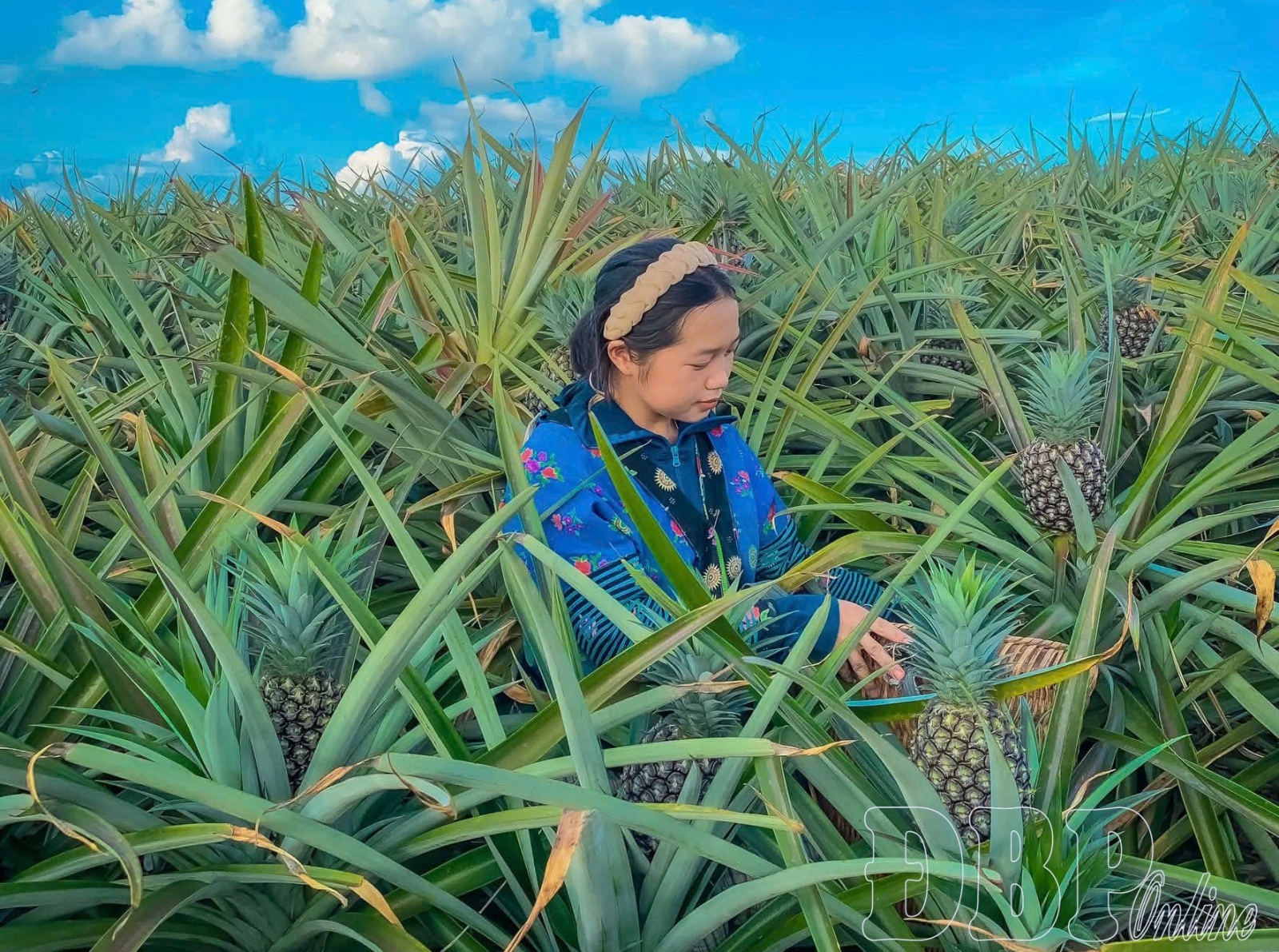
Not only in Quài Tở commune, localities across the province are currently accelerating the progress of implementing support and disbursing capital for 2026 production support projects. As of October 2026, the entire province had approved and deployed 350 projects and models with 11,625 participating household-turns. Total implementation funding exceeds VND 990.6 billion. Out of the 350 projects, there are 257 value chain-linked production projects and 93 community production development support projects. The projects focus on flagship crops possessing competitive advantages and aligning with the province’s agricultural restructuring orientation, such as coffee, macadamia, pineapple, passion fruit, sweet corn, and vegetable soybeans.
According to Lò Hồng Phong, Deputy Director of the Department of Agriculture and Environment, production support projects closely adhere to objectives, focusing on advantaged crops like coffee, macadamia, and several agricultural products suited to the conditions of each area. This contributes to forming concentrated production zones, creating livelihoods, and elevating production capacity for residents, especially ethnic minorities. Several localities have met and exceeded plans for newly planting coffee and macadamia, such as Mường Chà, Mường Nhé, Thanh Nưa, and Chà Tở. The post-planting survival rate reaches approximately 90-95%, establishing the initial foundation for planting zones to continue developing.
However, deployment results remain uneven across localities. As of September 20, 2026, 2025 funding carried over to 2026 to execute production development support for the 3 national target programs exceeded VND 279.6 billion. Cumulative disbursements reached over VND 231 billion; among this, Mường Ảng only reached 0.132%; while Sáng Nhè, Mường Chà, Quảng Lâm, Sín Chải, Mường Lạn, and Na Son have yet to disburse. For the 2026 recurrent funding source, over VND 30.9 billion was allocated for production development support content, but only over VND 4.53 billion has been disbursed; by the end of September, only two communes, Phình Giàng and Pa Ham, had generated disbursements.
Slow disbursement progress stems from multiple causes. In 2026, localities both operated the two-tier local governance model and deployed transitional capital from the previous phase alongside newly assigned capital. The aggregation and allocation of capital were protracted, with some sources supplemented in August and September, whereas the planting season for coffee and macadamia concentrates from June to August, narrowing the timeframe for formulating, appraising, and approving projects. Many areas face bottlenecks regarding the three-type forest planning and land procedures; the work of acceptance testing and finalizing payment dossiers has not kept pace with reality. The capacity for cash counterpart funding from residents is limited, impacting the deployment of models requiring massive resources.
To promote efficiency, establish sustainability for support projects, and elevate residents’ living standards, relevant sectors and local administrations need to step up the review of production areas and resolve bottlenecks concerning land and planting zone boundaries. Concurrently, they must research solutions to connect and attract capable enterprises and cooperatives to participate in production linkages and sign stable product off-take contracts for the people.
Accelerating the progress of production development support is not only a requirement for capital disbursement but also a condition to guarantee investment efficiency, helping residents expand production and stabilize livelihoods.
Thu Phương

You have 500/500 characters left
Please enter 5 or more characters!!!