



The most difficult challenge is disbursing capital for national target programs, building new rural areas, and perfecting essential works. Faced with this requirement, grassroots administrations review every indicator, clearly defining progress, responsibilities, and execution solutions.
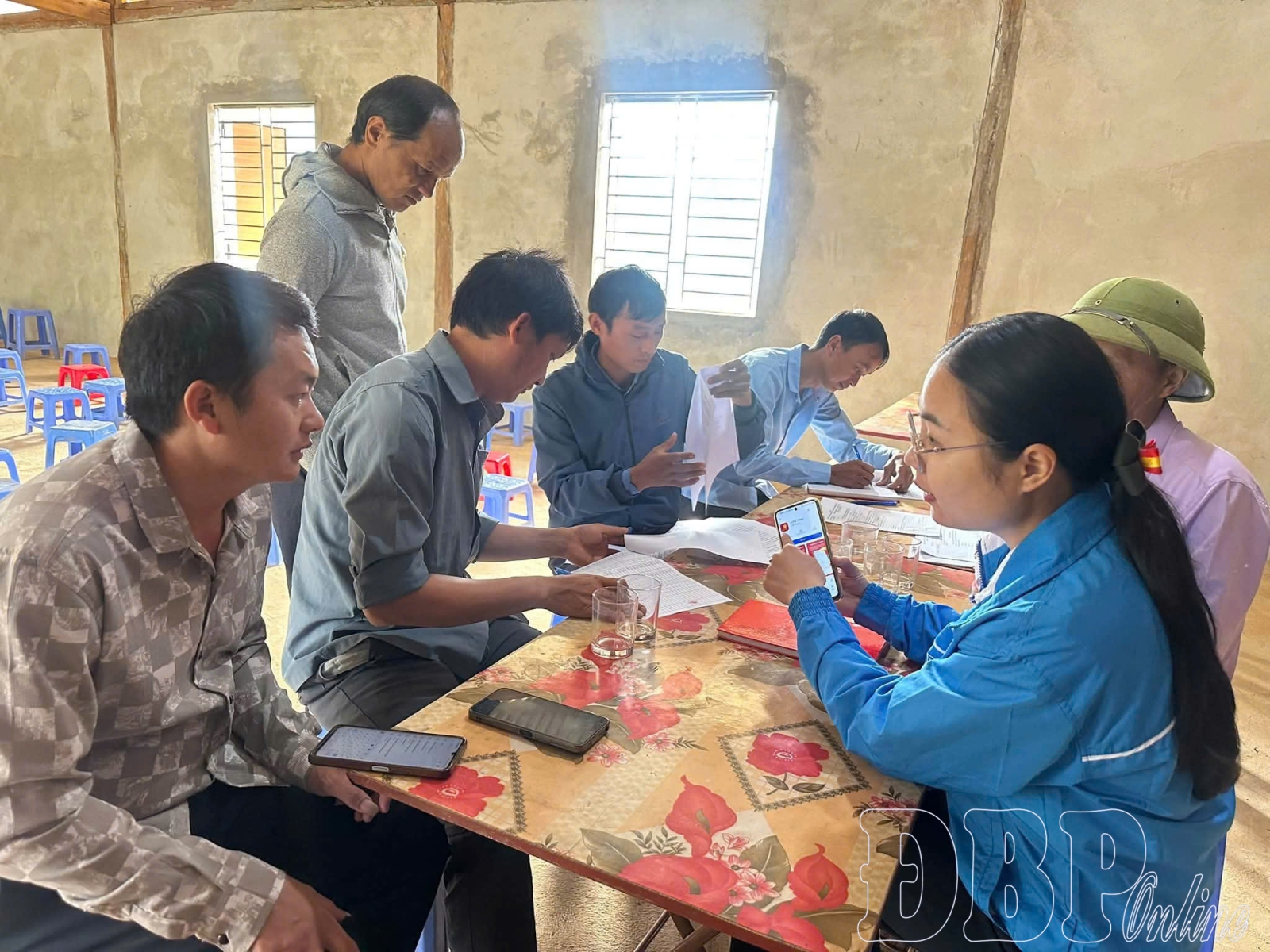
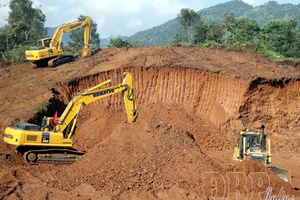
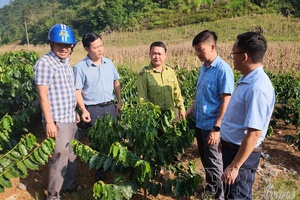
With little time left from now until year-end, completing socio-economic development indicators has become the focal task of communes and wards. In Sáng Nhè commune, despite difficult socio-economic conditions, through the engagement of the entire political system, many 2026 indicators met and exceeded plans (as of the end of October 2026). The total acreage and output of grain crops both exceeded set targets. Notably, the acreage of macadamia and coffee increased sharply; newly planted coffee alone reached 505ha, equating to 721.4% of the plan. Stone mining output reached 110.96% of the plan; budget revenue collection in the area reached VND 1,740.27 million, equating to 127.49% of the assigned estimate.
However, not all domains achieved the expected results. Aquaculture exploitation output reached 49%. The revenue of the processing and manufacturing industry reached VND 3.121 billion, equating to 69.35% of the plan. Notably, the disbursement progress of operational capital for national target programs remained slow. By October 14, Sáng Nhè had only disbursed VND 535/1,467 million of 2026 capital, achieving 36.47%. Capital carried over from 2025 to 2026 achieved a disbursement rate of 82.8%. Through review according to the draft National Set of Criteria for new rural construction for the 2026 - 2030 period, the commune has currently only met 4/10 criteria.
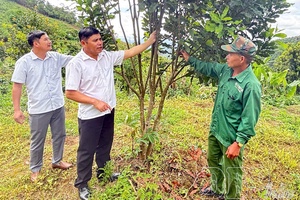
According to Phạm Ngọc Điện, Chairman of the Sáng Nhè commune People’s Committee, the locality identifies its focal task in the closing months of the year as regularly reviewing the implementation status of socio-economic development indicators, and updating the fourth-quarter growth scenario across every sector and domain; prioritizing indicators that remain low and risk incompletion. For instance, in agricultural production, the commune strengthens specialized cadres to guide residents in applying scientific and technical advances to crop and livestock care; proactively preventing and combating diseases and severe cold, and organizing suitable winter crop production. Simultaneously, it accelerates linkages in production and product consumption, developing cooperatives and value-chain livestock farming. For coffee trees, the commune mobilizes residents to prepare soil, seeds, materials, and build nurseries serving the 2027 newly planted plan; and coordinates with Macca Sky Company to provide technical guidance on tending and pruning macadamia trees.
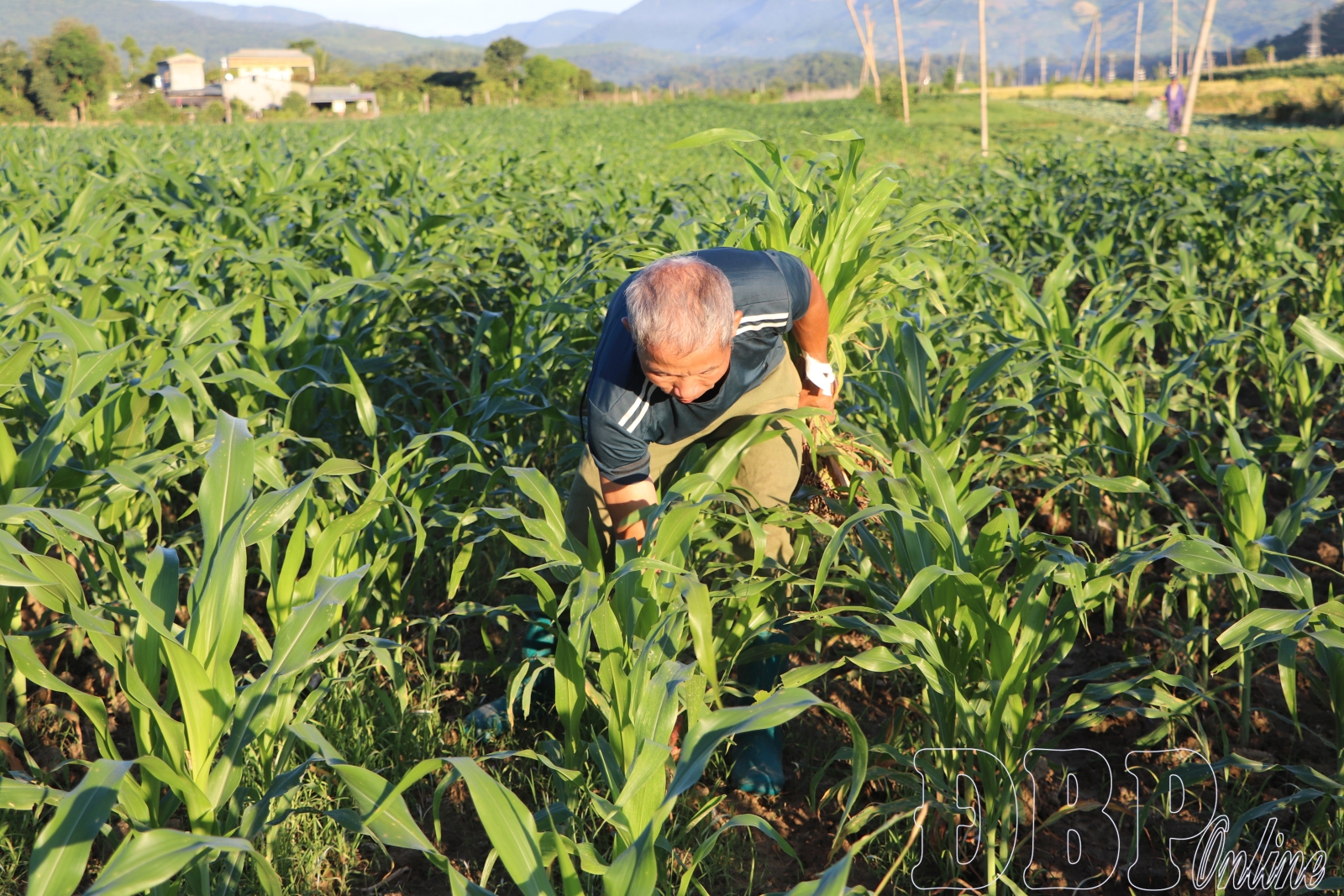
The commune focuses on effectively utilizing capital sources belonging to national target programs, prioritizing urgent items. According to Phạm Ngọc Điện, the commune will review every project and capital source; clearly identifying completed workloads, missing dossiers, and the responsibilities of each department to finalize procedures for acceptance testing, payment, and disbursement according to regulations. Regarding new rural construction, the commune specifically reviews each criterion, selecting villages capable of completion for concentrated guidance and urging, striving to have 2 villages recognized as meeting standards by the end of 2026.
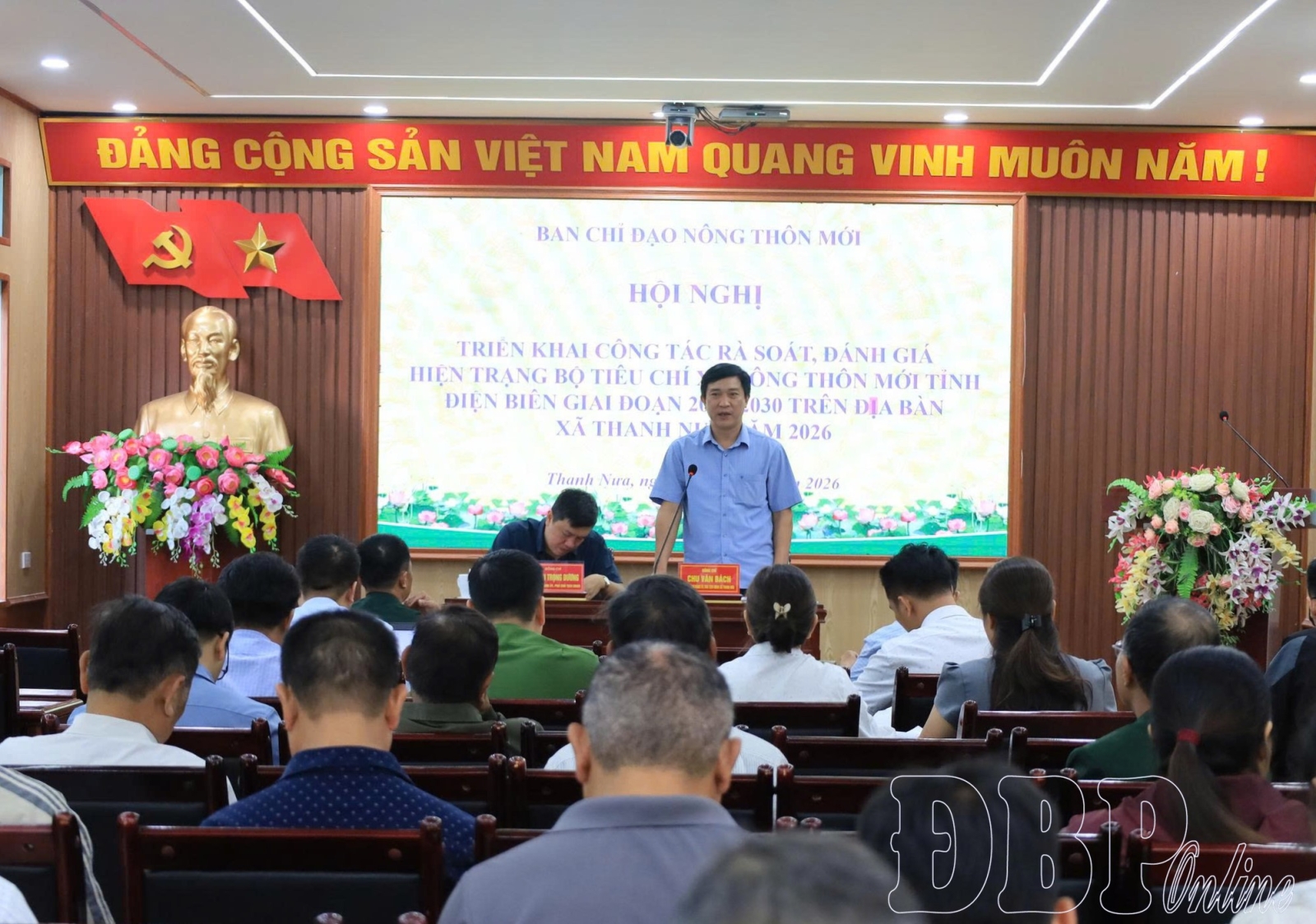
Similarly, Thanh Nưa commune focuses on completing socio-economic development indicators. To date, the total planted area of food crops reached 1,457ha, output over 9,000 tons, equating to 101% of the annual plan; local budget revenue reached VND 235,276 million, equating to 101% of the assigned estimate. Although many basic indicators met and exceeded plans, Thanh Nưa still has 7/47 unmet new rural indicators. Among the 10 new rural construction criteria for the 2026 - 2030 period, the commune achieved 4 criteria, while 6 criteria still harbor contents requiring continued perfection.
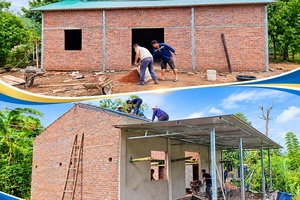
Chu Văn Bách, Chairman of the Thanh Nưa commune People’s Committee, stated that the commune formulated execution plans anchored to specific criteria, indicators, and the responsibilities of related units. Unmet indicators are reviewed specifically for difficulties and bottlenecks, thereby identifying solutions and completion timelines. For example, regarding the cultural development indicator, currently, only 28/37 villages and hamlets in the commune have cultural houses (failing to meet the target). To meet the requirement of 100% of villages and hamlets possessing cultural houses and sports areas, the commune reviews village cultural houses failing to meet standards for area, material facilities, and equipment. Priority is given to allocating investment capital to build cultural houses for lacking villages, and investing in equipment and material facilities to meet the regular activity needs of the people. It is projected that from now until year-end, this indicator will be fundamentally completed.
Regarding the indicator for building an AI camera system for security surveillance across the entire commune, the commune People’s Committee has assigned the commune police to chair surveys in key areas, thereby determining a suitable investment scale aligned with practical conditions, ensuring efficiency and avoiding waste. According to the roadmap, the commune strives to complete surveying, installation, and commission the system before November 15, 2026. Specifically establishing milestones and assigning responsibilities to each unit serves as the basis for Thanh Nưa to proactively control progress, promptly handle emerging bottlenecks, and strive to complete the remaining indicators.
Positive results at the grassroots contribute to fulfilling the 2026 targets and indicators set by the province. In the first 10 months of 2026, the province’s socio-economic situation continued to undergo positive shifts. Production, business operations, and the People’s lives remained fundamentally stable; trade, tourism, and import-export maintained fairly robust growth momentum. Total retail sales of goods rose by 18.24%; tourist arrivals increased by 20%; import-export turnover increased by 21% year-on-year... However, to achieve the full-year GRDP growth target of 11.02%, the fourth-quarter mandate remains massive. According to the growth scenario, in the final quarter of the year, Điện Biên must generate approximately VND 10,120.31 billion in GRDP, equivalent to a growth rate of 13.97% year-on-year.
This is a target demanding the synchronous and resolute engagement of levels, sectors, and localities, especially the proactive role of commune and ward administrations in untangling difficulties for production and business, accelerating project progress, and disbursing public investment capital. With high determination, practical solutions, and the consensus of the People, Điện Biên strives to fulfill its 2026 socio-economic development indicators, establishing a foundation for rapid and sustainable development in the subsequent phase.
Thu Phương


You have 500/500 characters left
Please enter 5 or more characters!!!