



A single moment of negligence when using fire can lead to catastrophic consequences, severely impacting the environment and the long-term livelihoods of local residents. Consequently, there is an urgent need for every citizen to elevate their awareness and move away from high-risk farming habits to prevent uncontrolled blazes from ravaging the region’s green lungs.
In late March 2026, a seemingly routine act of burning a field in Tin Tốc village, Mường Ảng commune, spiraled into a major warning sign for the community. On March 30, amidst bone-dry conditions and powerful winds, a fire erupted and spread with such velocity that it decimated vast areas of productive crops. Among the hardest hit was the family of Lường Văn Chung from Na Luông village, who watched helplessly as more than 600 of their coffee trees, most of which were in their prime production years, were reduced to ash.
.jpg)
The tragedy extended beyond a single farm, as three other households suffered similar losses, with one losing approximately 500 trees and another 470. For these farmers, these coffee trees represented years of hard labor and their primary source of income. The intensity of the burn has made recovery nearly impossible for these specific plots, effectively stripping these families of their livelihoods for the foreseeable future.
This incident occurred as Điện Biên and the broader Northwestern region entered the peak of the dry season, which typically lasts from October to May. During this window, rainfall is scarce, accounting for only 20% to 22% of the annual total. The situation is further exacerbated by the “Lào winds”, dry, scorching gusts that turn forest vegetation into a tinderbox. By early 2026, forest fire warnings in the province hit Level V, the “Extremely Dangerous” category.
Since the beginning of the year, the province has recorded 13 forest fires affecting roughly 4 hectares of land. While many of these were limited to the understory vegetation, the constant threat of a massive breakout remains. The primary culprit continues to be the uncontrolled use of fire for clearing agricultural land during the height of the drought. With weather patterns becoming increasingly erratic, the necessity for extreme caution has never been more pressing.
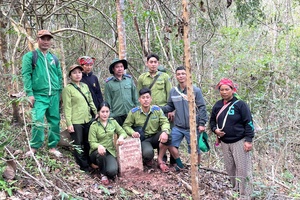
The Tuần Giáo Forest Protection Unit, which oversees critical areas like Quài Tở, Chiềng Sinh, and Mường Mùn, is currently on high alert due to the complex terrain and sustained heat. To address this, Nguyễn Thị Hà Thu, Head of the Tuần Giáo Forest Protection Unit, stated that her office is strictly enforcing Dispatch No.2528/CĐ-UBND, issued by the Chairman of the Provincial People’s Committee on April 5, 2026. This directive mandated a temporary but total ban on all slash-and-burn activities and grass clearing starting from April 6 until further notice.
Current regulations strictly prohibit any use of fire within or near forest boundaries, including honey harvesting, cooking, or any activity that presents a combustion risk. Violators face severe legal penalties, as these actions directly threaten both natural resources and human life. Authorities are urging officials and citizens alike to take proactive steps such as clearing firebreaks and closely monitoring border areas between farms and forests.
As the El Niño phenomenon continues to reduce rainfall and extend the dry spell, the dangers of traditional farming habits are magnified. Every citizen must recognize that an “easy” fire for clearing land can quickly become a multi-year economic disaster. Preventing these fires requires early and vigilant action to ensure that the province’s forests and the livelihoods they support remain protected.
Phạm Quang

.jpg)



.jpg)
.jpg)
.jpg)
.jpg)
.png)
.jpg)
.jpg)
.jpg)
.jpg)
.jpg)

You have 500/500 characters left
Please enter 5 or more characters!!!