



In recent years, the province and its localities have placed greater emphasis on organizing traditional sports, often integrating them into festivals, holidays, and community events. These activities help create a vibrant atmosphere, strengthen community bonds, and expand the cultural space where ethnic traditions can be practiced and shared.
.jpg)
However, as ethnic communities evolve and cultures blend, many festivals and customs risk fading away. The number of people who understand, practice, or can pass on traditional sports continues to decline.
The Lào ethnic community, one of 19 ethnic groups living in Điện Biên, is concentrated mainly in Núa Ngam, Thanh Yên, and Mường Luân. Among them, the Lào in Mường Luân are unique for preserving the ancient Mường Luân tower, a cultural symbol of the Lào people. In early 2025, the Bun Huột Nặm (Water Splashing Festival) was revived in the grounds of the ancient tower after nearly half a century of absence. The festival’s return has also brought greater visibility to traditional Lào sports in Mường Luân.
.jpg)
According to Lò Văn Xuẩn of Mường Luân 1 village, the Lào community has many traditional sports such as Tó Má Lẹ (spinning top), Tó Má Kháng (Lào spinning top), Lạc Sao (tug of war), Tọt Khon (throwing the “còn” ball ), and Tó Ếch (frog-jump folk). Yet these games are no longer held regularly, and few people, especially the youth, can explain their origins, meaning, rules, or how to make the equipment used for these traditional games.
To revitalize traditional sports at the grassroots level, the provincial Department of Culture, Sports and Tourism has organized training programs, workshops, and demonstration competitions across the province.
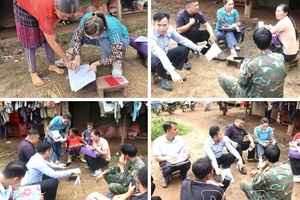
Phạm Trung Hiếu, Director of the provincial Center for Sports Training and Competition, said that under Project 6, the unit conducted assessments and partnered with localities to deliver training and pilot competitions in three communes: the White Thái community in Nà Sự village (Mường Chà); the Hmông community in Lồng village (Quài Tở); and the Lào community in Mường Luân 1 village (Mường Luân). Participants came from various villages and schools, representing multiple generations - most of them young people. Through training sessions and trial competitions guided by instructors and local cultural experts, participants learned basic rules, playing techniques, and the cultural origins and significance of their traditional games.
.jpg)
These training and revival efforts are helping preserve cultural identity while turning traditional sports into meaningful spiritual activities and potential tourism products.
Thùng Văn Quân, Head of Nà Sự village in Mường Chà, shared that Nà Sự, a White Thái community based tourism site, began operating in late 2022. Initially, its tourism offerings focused on natural scenery, homestays, cultural performances, and ethnic cuisine. In 2023, Nà Sự, together with Nà Ín, Cấu, Pá Có, and Nà Cang villages, underwent surveys and restoration efforts to revive traditional sports such as Tó Sáng (stick-toss), Tó Phại (target-throw), and Tó Má Lẹ (spinning top). After training sessions and competitions, equipment and tools were handed over to Nà Sự for management and use. Today, alongside its earlier tourism services, the village has incorporated folk sports as new cultural experiences for visitors, giving tourists a richer and more immersive understanding of local heritage.
.jpg)
Traditional sports are inherently community based, making their energy and excitement easily shared between players and spectators. The revival and teaching of folk games and traditional sports not only help preserve the unique cultural identity of ethnic groups but also serve as a driving force for socio-economic development within the community.
Trần Nhâm
.jpg)
.jpg)
.jpg)
.jpg)
.jpg)
.jpg)
.jpg)
.jpg)
.jpg)
.jpg)

.jpg)
You have 500/500 characters left
Please enter 5 or more characters!!!