



These thick, firm slabs of meat, infused with the fragrance of Indian prickly ash and various traditional spices, serve as an indispensable dish during festivals, Tết, and communal gatherings. What began as a rustic, everyday meal has gradually transformed into a prized high-land culinary specialty that captures the essence of the region.
.jpg)
As the biting chill of late winter mist in the highland villages begins to fade under the warm spring sun of 2026, local ethnic groups busily prepare for the new year. Above traditional rooftops, wisps of smoke carrying the savory aroma of dried meat drift through the air, signaling the arrival of the festive season.
.jpg)
Historically, this dish was a testament to the flexible and creative adaptation of highland people. In an era of self-sufficiency where difficult terrain and limited economic conditions made it nearly impossible to preserve fresh food, smoking meat over the hearth became a vital method for long-term storage.
.jpg)
The preparation process remains a labor of love and precision. Residents select the freshest, whole-fiber cuts of buffalo, beef, or pork, which are then marinated with a blend of local spices for over two hours. The meat is then dried over a charcoal fire, a process that can last more than a day depending on the type of meat. On average, it takes approximately 3kg of fresh meat to produce just 1kg of the finished specialty.
.jpg)
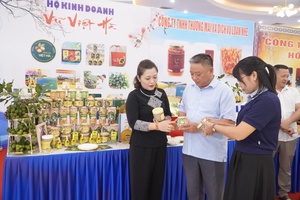
With the development of the region, dried meat has evolved into a valuable commodity and a meaningful gift from the mountains, providing a significant boost to local incomes. Depending on the time of year and the type of meat used, prices currently range from VND 450,000 to 900,000 per kilogram.
.jpg)
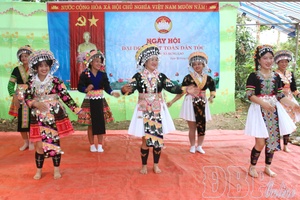
Each ethnic group brings its own unique flair to the recipe, creating a diverse palette of flavors. The Thai people are famous for their buffalo and pork seasoned heavily with the numbing, forest-scented Indian prickly ash. Meanwhile, the Hmong prefer fatty pork belly enriched with bold saltiness, and the Dao maintain a simpler marination style that prioritizes the natural sweetness of the meat.
.jpg)
As the year draws to a close, the vibrant spring atmosphere in the highlands is inextricably linked to this scent. The smoke from the kitchens does more than just cure the meat; it weaves together the rustic characteristics of the forest with the warmth of the community.
For those visiting Điện Biên province during the New Year, a taste of this dried meat is a taste of the history, ingenuity, and hospitable spirit of the Northwestern region.
Trần Nhâm

.jpg)


.jpg)
.jpg)
.jpg)
.png)
.jpg)
.jpg)
.jpg)
.jpg)
.jpg)
.jpg)
You have 500/500 characters left
Please enter 5 or more characters!!!