



Through these efforts, awareness and behaviors within families and communities are gradually shifting in a positive direction, contributing to the creation of safe and equal living environments.
T. H., 51 years old, spent many years enduring a husband who frequently drank, insulted, and beat her, even openly bringing another woman home. Despite repeated interventions by her family and the local reconciliation team, the abuse persisted. Following a recent head injury, H. was connected to the Sunshine House by community social workers while in a state of panic with no place to turn. She received emergency support to separate from the abuser, a safe shelter, and psychological counseling to stabilize her spirit. She also underwent medical examinations, learned to identify violent behavior, and was equipped with self-protection skills and connections to local police for legal action. Since returning home, H. has regained mental stability, understands her rights, and proactively seeks help with ongoing support from local authorities and relatives.
Tống Thị Hưởng, a staff member at the provincial Sunshine House, explains that the support process must be flexible and persistent, centered on bringing victims into the facility. The center helps individuals navigate immediate crises and build long-term safety plans, ensuring they continue to receive protection and companionship from local resources and authorities upon returning to the community.
.jpg)
During the 2021-2025 period, alongside the National Strategy on Gender Equality, Điện Biên focused on developing grassroots-level prevention models. The entire province currently maintains 100 models meeting Ministry of Culture, Sports, and Tourism standards, 613 sustainable family development clubs, 698 domestic violence prevention groups, and 806 “reliable addresses.”
These models are widespread across various communes, villages, and residential clusters, particularly in remote and ethnic minority regions. Beyond emergency support, these serve as regular communication channels helping people understand their rights and duties, gradually breaking the stigma that domestic violence is a private family matter.
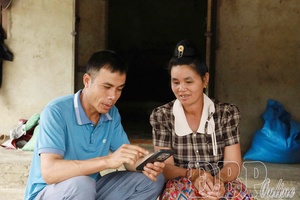
In Tà Cáng village, Nà Tấu commune, the community communication team is essential in bringing prevention content to every household with a resident-centered approach. Lường Văn Nọi, the team leader, notes that members regularly visit homes to offer reminders and conduct outreach during village meetings. The team also gathers individuals willing to lead by example in changing lifestyles; many men have started sharing housework and supporting their wives’ participation in local social activities.
In other areas, sustainable family development clubs have become common gathering spots where members learn about building happy families and resolving conflicts without violence. Lầu Thị Chá, from Tìa Ló B village in Pu Nhi commune, is an active participant who shared that whereas women previously suffered in silence, she now understands her right to be protected and feels bold enough to speak out and seek help from others.
These models translate state policies into accessible, community-driven actions. When residents can engage in dialogue and receive support where they live, domestic violence prevention becomes a collective responsibility rather than just a task for authorities. These results provide a firm foundation for Điện Biên to further promote gender equality and build prosperous, happy families from the grassroots level.
Minh Thảo

.jpg)


.jpg)
.jpg)
.jpg)
.jpg)
.png)
.jpg)
.jpg)
.jpg)
.jpg)
.jpg)

You have 500/500 characters left
Please enter 5 or more characters!!!