



In 2025, along with GRDP growth reaching 7.34%, industrial activities, infrastructure construction, population growth, and urbanization exerted increasing pressure on the environment. Facing this reality, the province has implemented solutions to strictly control and manage sources of pollution, step-by-step improving environmental quality.
.jpg)
The control of pollution sources is implemented based on a relatively comprehensive assessment of the current environmental status. In 2025, the province organized environmental monitoring at 104 points across 3 wards and 19 communes. Results showed that the air environment in the area is basically stable, with most indicators within permissible limits. However, in some central areas with high traffic density and active service activities, noise has shown signs of exceeding standards, with 3 out of 35 measuring points exceeding the threshold, including the Mường Thanh Luxury Điện Biên Hotel T-junction, the C4 market, and the Điện Biên Phủ Square T-junction.
Regarding the water environment, monitoring results show that surface water quality in many rivers, streams, and reservoirs in the province remains within permissible limits, although some important indicators have exceeded standards. Notably, up to 29% of monitoring points had suspended solids exceeding standards, while the COD indicator exceeded standards at 48.3% of points. These exceeded thresholds are concentrated in urban areas, densely populated residential areas, and water bodies receiving domestic wastewater. For instance, the surface water sample from the Nậm Rốm river at the starting point in Điện Biên Phủ ward had a COD concentration exceeding the limit by 3.84 times; the surface water sample from Huổi Phạ lake exceeded it by 2.99 times; and the sample from the Nậm Rốm river at the end point of Mường Thanh ward exceeded it by 4.7 times.
One of the largest sources of pollution currently in the province is domestic wastewater. The total volume of domestic wastewater generated across the province is estimated at about 48,124 cubic meters per day and night, with the urban area accounting for over 10,000 cubic meters. Although there are five systems for collecting and treating domestic wastewater with a total designed capacity of 12,350 cubic meters per day and night, the actual volume collected and treated only reached about 5,263 cubic meters, equivalent to 10.94% of the total generated wastewater. This is the direct cause of the decline in surface water quality in many areas, especially rivers and streams flowing through the centers of communes and wards.
.jpg)
In the industrial production sector, Điện Biên province currently has three industrial clusters with approved planning and active production facilities, including the Na Hai industrial cluster in Sam Mứn commune, the Eastern industrial cluster in Tuần Giáo commune, and the mixed industrial cluster in Búng Lao commune. Projects within these industrial clusters have invested in their own wastewater treatment systems and relatively complete collection and treatment of solid and hazardous waste. However, reality shows that the province does not yet have a centralized wastewater treatment system for industrial clusters, and treatment depends mainly on individual facilities. This poses a requirement to soon invest in synchronous environmental protection infrastructure for industrial zones and clusters to minimize the risk of pollution arising during industrial development.
Solid waste management continues to be a focus in controlling pollution sources. In 2025, the total amount of domestic solid waste generated in the province was estimated at about 130,000 tons. The urban area has a high collection rate of 96.5%, while the rural area only reaches about 45%. The treatment rate of rural domestic solid waste is only 40%, showing a large gap in waste collection and treatment in rural areas. Currently, the entire province has eight solid waste treatment facilities, but most still apply incineration combined with burial, posing a potential risk of secondary pollution if not strictly managed.
In addition to domestic waste, industrial solid waste and hazardous waste are also specifically controlled by the province. The total volume of industrial solid waste generated is about 42,106 tons per year, mainly from mining activities. About 80% of this waste is collected, while the remainder still poses a potential pollution risk if not managed tightly. For hazardous waste, the total volume generated in 2025 was estimated at about 272,975 tons, primarily medical waste. The province has invested in 10 medical waste incinerators and 3 wet steaming technology treatment systems, basically meeting the requirements for safe treatment of hazardous waste generated from medical examination and treatment activities.
.jpg)
Parallel to the management of waste sources, Điện Biên province has strengthened measures to prevent and handle environmental incidents and overcome pollution. From 2025 to the present, no serious environmental incidents have occurred in the area. The province required 18 organizations and enterprises to pay deposits for environmental restoration in mineral mining with a total amount of over VND 1.7 billion, thereby increasing the responsibility of enterprises in environmental protection. Inspection and handling of violations have been promoted, promptly suspending the operations of facilities causing environmental pollution.
Specifically, in Nà Tấu and Mường Phăng communes, there are currently more than 440 hectares of arrowroot and 10 active arrowroot processing facilities. During the arrowroot processing season, environmental pollution is often caused. At the end of 2025, the Department of Agriculture and Environment inspected and verified the status of arrowroot production and processing in these two communes. Analytical results showed seven facilities discharging wastewater directly or allowing it to overflow into the Nậm Rốm river. Additionally, two facilities in Mường Phăng commune discharged directly into the Pá Khoang lake basin. The People’s Committees of these communes have temporarily suspended the operations of arrowroot processing facilities that do not ensure regulations and required them to overcome limitations and ensure compliance.
Along with strictly controlling environmental pollution sources, the provincial People’s Committee has directed the tightening of the appraisal of environmental impact assessment reports. By the end of 2025, the provincial Public Administration Center received 50 dossiers, including 21 dossiers for appraisal of environmental impact assessment reports and 29 dossiers for environmental licenses. The provincial People’s Committee approved 10 environmental impact assessment reports and issued 20 environmental licenses, with the remaining dossiers continuing to be appraised according to regulations.
.jpg)
During the year, the Department of Agriculture and Environment organized one inspection of two facilities, received and handled three cases of environmental complaints and denunciations, and coordinated the inspection of five arrowroot processing facilities. The provincial police organized inspections and fined one organization and nine individuals for environmental violations with an amount of VND 104.5 million and fined 16 individuals for illegal mining violations with a total of VND 258 million. Dissemination and education on environmental protection continue to be promoted.
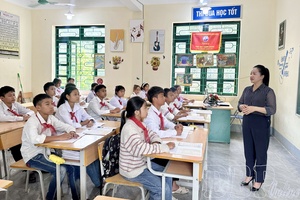
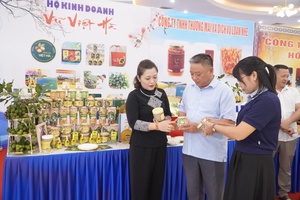
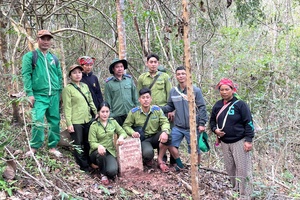
Controlling environmental pollution sources in Điện Biên has achieved important initial results but still faces many challenges. Pressure from domestic wastewater, rural solid waste, mining activities, and infrastructure construction requires the province to continue perfecting mechanisms and policies, increasing investment in environmental treatment infrastructure, and raising the awareness and responsibility of the community and businesses. Only when pollution sources are well controlled at the root can the living environment be firmly protected, creating a sustainable foundation for socio-economic development.
Thành Đạt

.jpg)


.jpg)
.jpg)
.jpg)
.png)
.jpg)
.jpg)
.jpg)
.jpg)
.jpg)
.jpg)
You have 500/500 characters left
Please enter 5 or more characters!!!