



A noteworthy highlight this year is the introduction of the women’s 7-a-side football tournament, featured at the festival for the first time. This initiative opens a new arena for Hmông ethnic female athletes to interact, compete, and display their physical strength and agility. The tournament brings together three competing teams - Điện Biên, Tuyên Quang, and Thái Nguyên - playing in a round-robin format. Each match consists of two 25-minute halves.
.jpg)
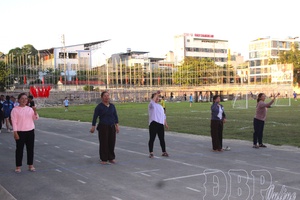
At the Điện Biên Provincial Stadium, teams made the most of their final practice sessions to hone techniques and tactics ahead of official fixtures. On the pitch, despite jerseys drenched in sweat, players maintained high spirits, training intensively with fluid teamwork, ready for the upcoming matches.
Lò Thị Thanh, a player on the Điện Biên women’s football team, enthusiastically shared: “Over recent days, our team has actively trained, familiarized ourselves with the field conditions, and prepared both physically and mentally. As match day approaches, we feel increasingly eager and excited to take the pitch and demonstrate our abilities.”
.jpg)
For Chẩu Yến Nhi, a player on the Tuyên Quang women’s team, the tournament offers an opportunity to meet and connect with peers who share a passion for sports. “Participating in this women’s football tournament makes me very excited. Beyond striving to play our best, our squad hopes to engage with other delegations, promoting the image, traditional costumes, and sporting spirit of Hmông ethnic women,” Chẩu Yến Nhi shared.
While women’s football promises to bring a youthful, lively atmosphere, traditional sports impart a distinct cultural identity to the festival. Among them, tù lu (spinning top) is a discipline demanding dexterity, precision, and mastery over the spinning top at distances of 3m, 6m, and 9m. Athletes must use tops crafted in their authentic traditional ethnic designs.
Lý Seo Nam, a tù lu athlete from Lào Cai province, noted: “On the afternoon of October 8, right after our delegation arrived in Điện Biên, we promptly conducted training sessions to adapt to the venue grounds. We prepared quite thoroughly for the event. The most critical factor is sustaining focus, as every competition distance demands high accuracy.”
.jpg)
Alongside individual athletic preparations, provincial delegations proactively finalized necessary arrangements before competition day, from reviewing rosters, player profiles, attire, and competition gear to securing accommodations and tracking schedules.
Lương Đình Hiến, head of the Thái Nguyên delegation, stated: “Our delegation has 41 athletes competing across all disciplines. We proactively organized forces and systematic training tailored to each sport. Before departing, the delegation reviewed player lists, competition uniforms, equipment, and necessary logistics. Arriving in Điện Biên, we stabilized lodging arrangements and grasped match schedules so athletes could attain optimal physical and mental readiness.”
.jpg)
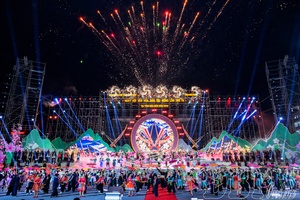
The festival features six competitive sports: women’s football, tù lu, stick pushing, tug-of-war, crossbow shooting, and pa pao throwing, assembling more than 220 athletes from eight delegations: Điện Biên, Tuyên Quang, Phú Thọ, Thái Nguyên, Đắk Lắk, Cao Bằng, Lai Châu, and Lào Cai. Competitions run from October 9 to 11 across the General De Castries Bunker area, the provincial Stadium, and Mường Thanh Walking Street in Điện Biên Phủ ward.
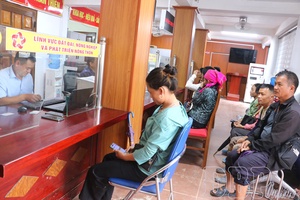
Earlier, on October 7, the Organizing Panel verified player credentials and issued accreditation cards. On October 8, a briefing with delegation heads and coaches was convened alongside the draw, fixture scheduling, and referee training, concluding the final preparatory phases before the competitions commenced.
.jpg)
Phạm Trung Hiếu, Deputy Director of the Điện Biên provincial Culture and Sports Center, informed: “Up to this moment, all conditions serving the competitions have been finalized. The Organizing Panel has reviewed grounds, equipment, refereeing staff, and athlete files, coordinating smoothly with delegations. The goal is to ensure competitions proceed safely, strictly observe regulations, foster a lively and united ambiance, and preserve the traditional cultural beauty of the festival.”
On October 9, athletes officially enter the competitive events. The preparatory atmosphere has shifted to eager anticipation for contests in women’s football, tug-of-war, stick pushing, tù lu, crossbow shooting, and pa pao throwing. Far beyond chasing athletic achievements, the competitions serve as a venue for regional athletes to gather, interact, and spread the sporting spirit and exquisite cultural values of the Hmông ethnic community.
Thu Hằng
.jpg)
.jpg)
.jpg)
.jpg)
.jpg)
.jpg)
.jpg)
.jpg)
.jpg)
.jpg)
.jpg)
You have 500/500 characters left
Please enter 5 or more characters!!!