



Identifying this as the foundation to build an administration close to and intertwined with the people, Phình Giàng commune has deployed numerous solutions, anchoring the practice of democracy to management and administrative tasks - from village reorganization and deploying programs and projects to resolving administrative procedures.
One approach that clearly demonstrates the promotion of the People’s right to mastery is the commune administration’s emphasis on seeking public opinion regarding matters directly related to organizing community life. In 2026, when deploying the plan to reorganize and restructure villages and hamlets, the Commune People’s Committee sought the People’s opinions before implementation. From 26 villages, following the reorganization, the commune now has 14 villages, a reduction of 46.1%. Organizing public consultation helps the administration grasp sentiments and aspirations, generating consensus during the deployment process.
The election of village heads for the 2026-2031 term was conducted simultaneously across all 14/14 villages. The elections proceeded democratically, transparently, on schedule, and received an active response from the People. The election results provide a basis for village heads to continue promoting their role as a bridge between Party committees, administrations, and the People; promptly grasping sentiments and aspirations, conveying citizens’ opinions, and mobilizing the community to join in executing local socio-economic development tasks.
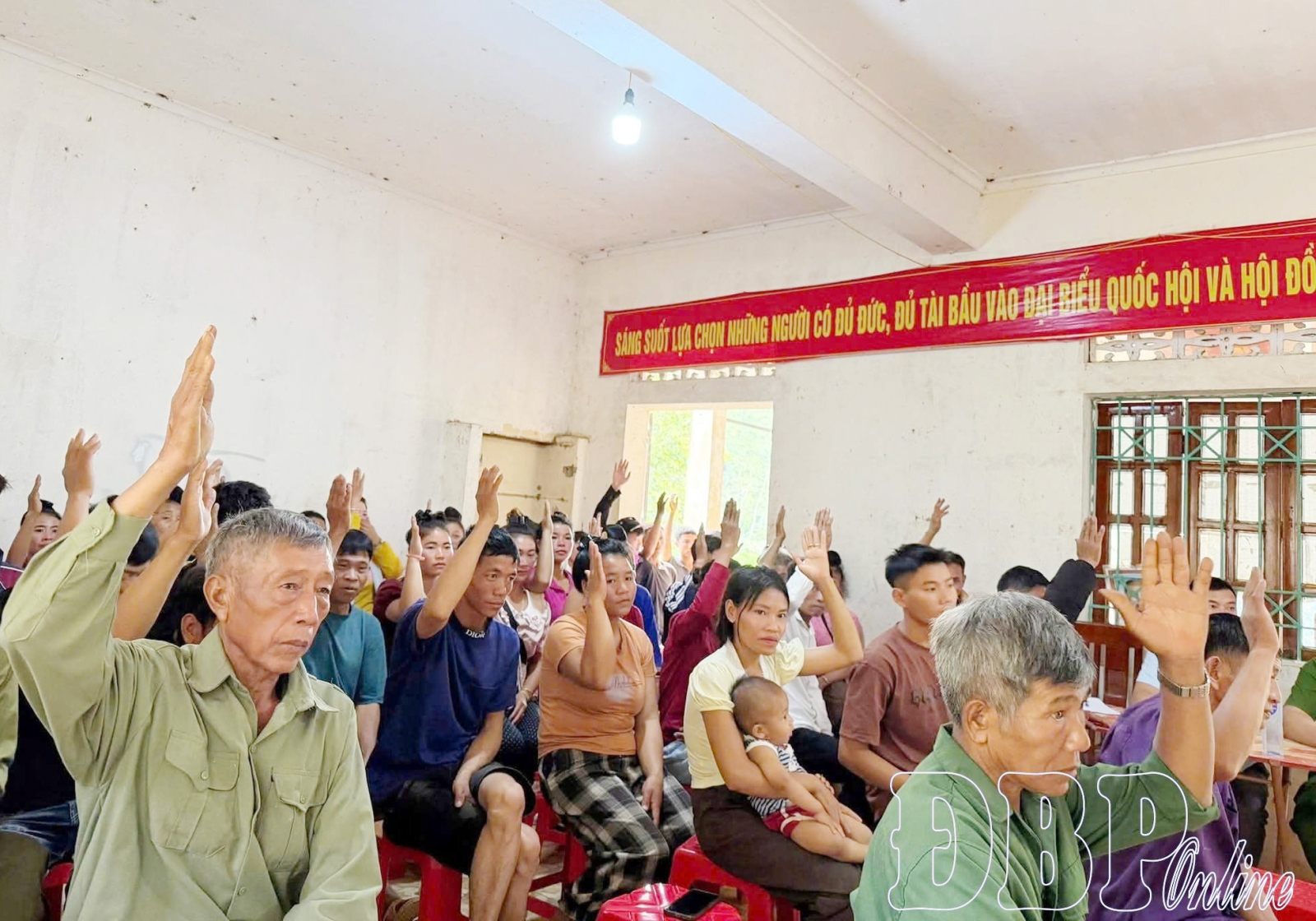
Giàng A Thềnh from Xa Vua village stated: “Reorganizing villages or electing village heads are matters directly related to the people, so we were informed, contributed our opinions, and chose our representatives. We hope that after being elected, the village head will stay close to the people, understand the people, listen to villagers’ opinions, and promptly reflect issues emerging at the grassroots level to the administration.”
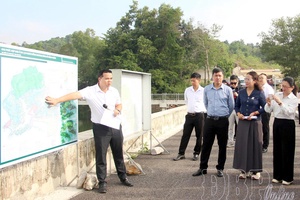
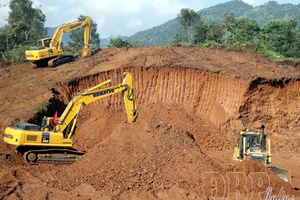
Concurrently, the commune steps up the communication of guidelines, policies, and socio-economic development tasks through village meetings, mass organization activities, and the public address system. For projects directly concerning citizens’ rights, the commune coordinates with departments, sectors, and investors to communicate and mobilize households to participate in surveying, land-origin determination, and site clearance - such as for the solar power project and the Sông Mã 1 and Sông Mã 2 hydropower projects. Making information public and clearly explaining guidelines, rights, and responsibilities are essential for citizens to understand, agree, and coordinate in implementation.
Another vital element is creating conditions for citizens to exercise their right to supervise, report, and have emerging issues resolved right from the grassroots level. The commune People’s Committee strictly maintains citizen reception work in accordance with regulations. The Secretary of the Party Committee and Chairman of the People’s Council of the commune conduct citizen receptions periodically 1 day/month; the Chairman of the Commune People’s Committee maintains a citizen reception schedule every Tuesday. Through this, citizens have a specific address and time to voice their sentiments, aspirations, and petition issues related to their legitimate rights.
To resolve disagreements and conflicts within the community, the commune consolidates grassroots-level mediation activities. Currently, the entire commune boasts 14 mediation teams. The commune equips the personnel performing this work with legal knowledge and mediation skills, contributing to elevating the capacity to resolve conflicts right within the community and safeguarding village solidarity.
The commune continues to accelerate administrative reform tethered to digital transformation, facilitating citizens in their transactions with state agencies. The commune received 97 dossiers, of which 43 were end-to-end online dossiers, 48 were partially online dossiers, and 6 were carried over from the previous period. Notably, 92 dossiers were resolved ahead of schedule, 4 exactly on schedule, and 1 dossier remains within the processing timeframe. No feedback or petitions arose regarding the service attitude or processing time of receiving cadres.
Cà Văn Thao, Chairman of the Phình Giàng commune People’s Committee, stated: Promoting grassroots democracy is identified by the commune as a focal task in the process of management, administration, and organizing the execution of socio-economic development tasks. The commune prioritizes ensuring that citizens can contribute opinions on matters directly related to their rights, lives, and the residential community; while strengthening communication and mobilization so the people understand, agree, and jointly implement. In the coming time, the commune will continue to elevate the accountability of cadres and civil servants, utilizing the consensus and satisfaction level of the people as the basis to evaluate the administration’s operational efficiency.
Realities in Phình Giàng show that grassroots-level democracy is promoted through specific deeds tied to the rights and responsibilities of citizens. From participating in village reorganization and selecting village heads to accessing public services, citizens are progressively provided with conditions to participate in local common affairs. However, for democracy to become substantive and profound, the commune administration must continue to elevate the quality of information, increase listening, absorb and respond to the People’s opinions; and simultaneously promote the role of the Fatherland Front, mass organizations, village heads, and reputable figures in communicating, mobilizing, and supervising the implementation of guidelines and policies. Through this, they consolidate trust, forge consensus, and mobilize the people’s strength to participate in building the locality.
Thành Đạt

You have 500/500 characters left
Please enter 5 or more characters!!!