



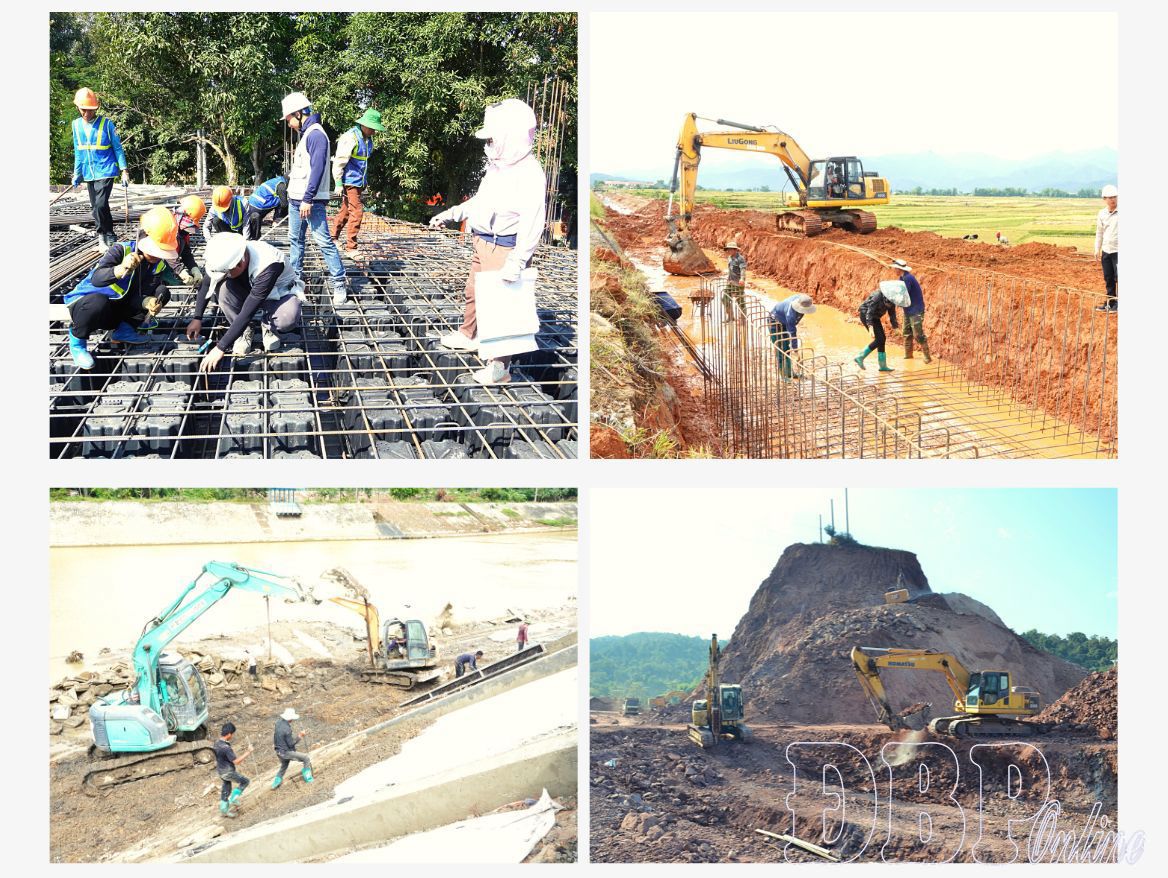
Faced with this requirement, the province focuses on leveraging the efficiency of mine sites and untangling difficulties in exploitation activities; progressively solving the supply-demand equation, mitigating the risk of construction material shortages, and ensuring the investment efficiency of works in the area.
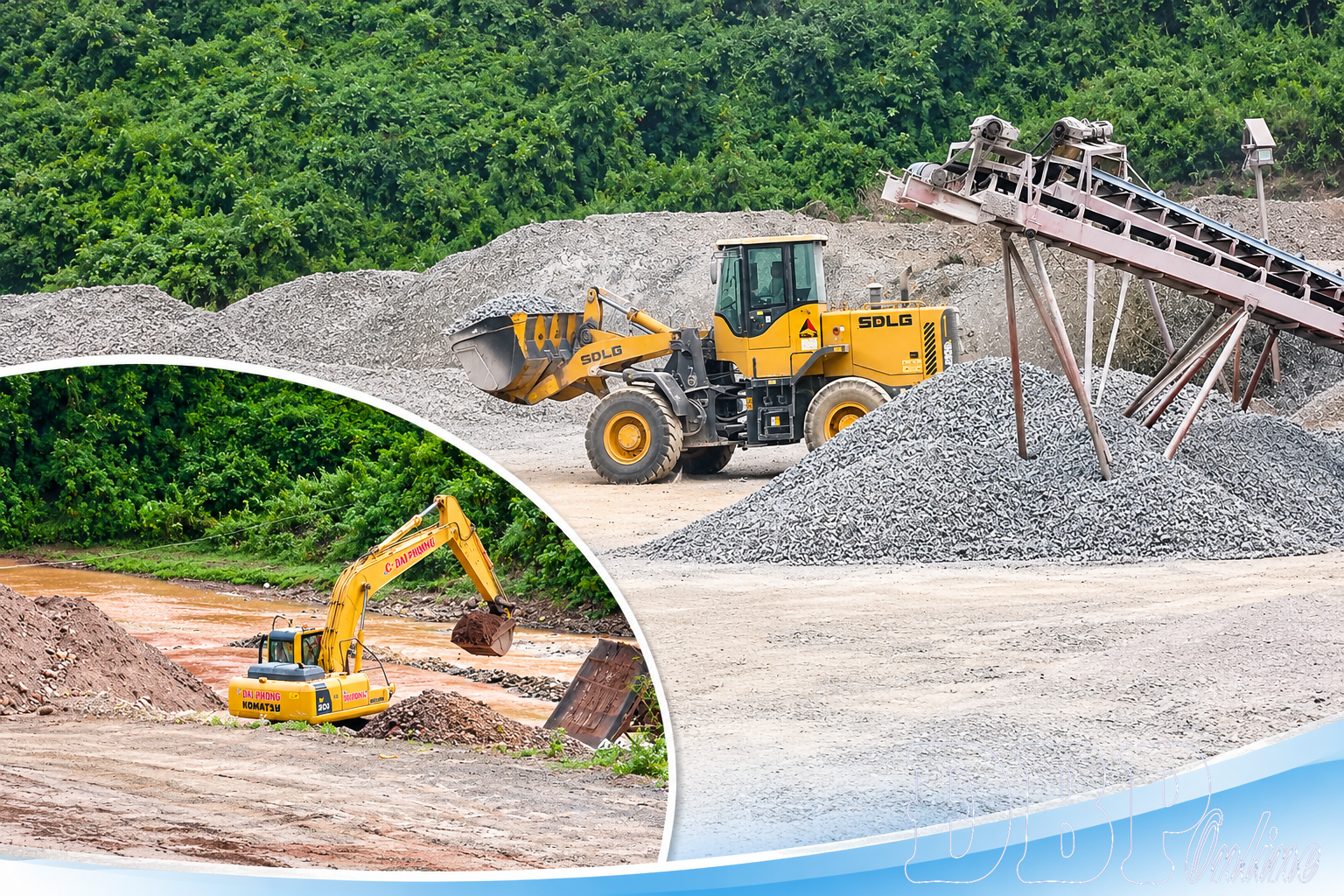
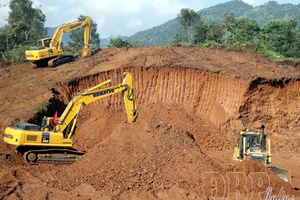
To enable enterprises to organize exploitation and elevate the capacity to supply construction stone to the market, on October 27, the Department of Industry and Trade issued a License for using industrial explosives to Đại Phong Co., Ltd. Điện Biên province, serving mineral exploitation blasting activities at the Block I mine site in Na Sang commune. Utilizing industrial explosives in stone mining contributes to elevating exploitation efficiency, yet requires the enterprise to pay special attention to safety conditions within the affected radius.
Lê Văn Đại, Director of Đại Phong Co., Ltd. Điện Biên province, stated: To secure a proactive stone source serving the construction of works and projects, the enterprise applied for a license to use industrial explosives, ensuring exploitation activities meet material supply demands. The unit strictly implements regulations on the management and use of explosives; emphasizes labor safety and security and order; and promptly notifies residents in neighboring areas, mitigating risks, maintaining stable supply, and contributing to ensuring the progress of construction works.
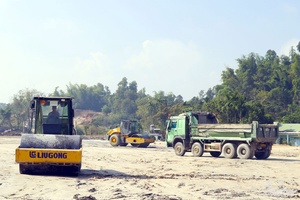
Operating in the field of construction material supply, Duyên Hùng Co., Ltd. Điện Biên province currently has 2 licensed sand mines under exploitation in the Thanh Yên commune area, with total reserves exceeding 460,000m³ and a capacity of over 50,000m³/year. To meet the demand for construction sand serving works and projects across the province, the enterprise is finalizing procedures to propose expanding the area and elevating the exploitation capacity of the mines, preparing the material supply capability for upcoming works.
Lưu Công Ruyên, Director of Duyên Hùng Co., Ltd. Điện Biên province, stated: Currently, the enterprise has 2 licensed sand mines maintaining exploitation operations. Faced with surging material demand, the province’s policy on expanding the area and elevating the capacity of sand mines is viewed as a practical solution to augment supply capacity for the market, especially for key construction works.
Based on the province’s orientation, the company accelerates finalizing legal dossiers and procedures to propose elevating exploitation capacity at both mines in accordance with the guidance of functional agencies. The enterprise determines that exploitation expansion must be tethered to practical conditions and comply with statutory regulations. Through this, it progressively augments output and supplements supply, contributing to curbing the construction material shortage situation across the area.
Currently, the entire province boasts 18 licensed construction stone mines with remaining reserves of approximately 11.17 million cubic meters and a total exploitation capacity of about 724,000m³/year. Regarding construction sand, there are 16 licensed natural sand mines; of which 15 commercial exploitation mines hold remaining reserves of about 1.19 million cubic meters with a capacity of 133,607m³/year; one mine licensed for a specific purpose holds reserves of 24,774m³ to serve two school projects in Mường Pồn and Na Sang. Additionally, the entire province has 8 establishments and production lines for crushed sand with a total designed capacity of about 482,000m³/year.
According to review data from the Department of Construction, the supply source of construction stone is more capable of meeting demand compared to natural sand. Meanwhile, sand is a material under immense supply pressure, especially when multiple works are deployed simultaneously. The specific mountainous terrain and dissected transportation render material supply between areas highly difficult, particularly as the locality enters a phase of intensified infrastructure investment.
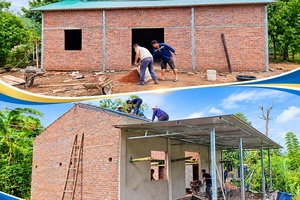
It is projected that during the 2026–2030 period, the entire province will have 59 large projects and works requiring substantial volumes of common construction materials. Among these are two key transport projects: the Sơn La - Điện Biên - Tây Trang Border Gate expressway (phase 1) and the upgrading of National Highway 12 to the A Pa Chải Border Gate. School projects, public welfare works, and urban and tourism development exert considerable pressure on the construction material market.
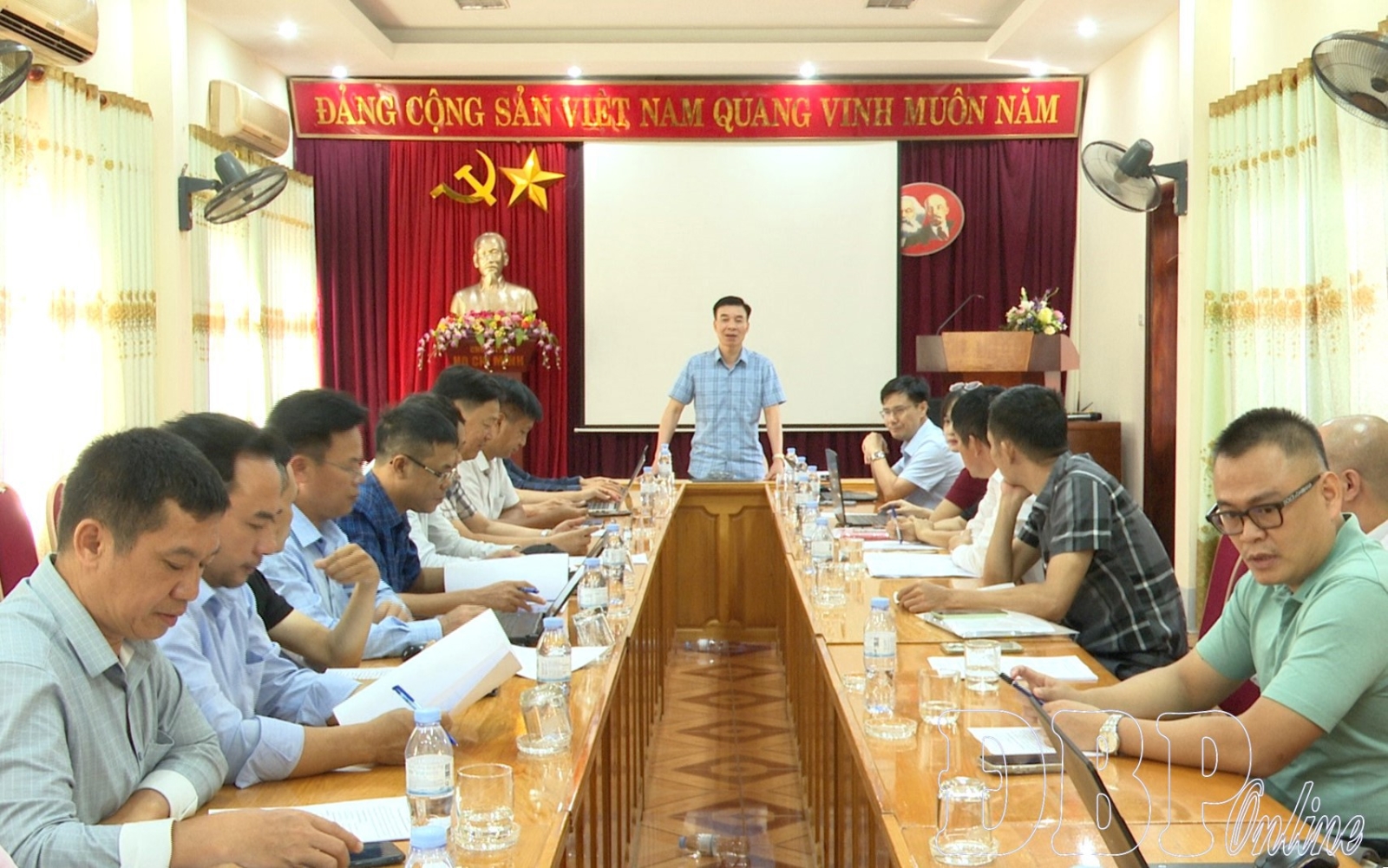
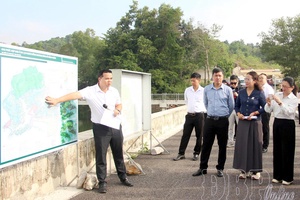
Faced with this requirement, the Department of Construction focuses on reviewing material usage demand by specific project, area, and construction schedule; and cross-referencing it with the actual supply capacity of each mine site, rather than merely relying on total reserves or the capacity stated in the license. For mine sources already qualified for exploitation, priority is given to untangling procedural bottlenecks, creating conditions for enterprises to unleash their production capacity. Concurrently, it evaluates the capacity to supplement legal supply sources, especially natural sand and backfill soil serving key construction works.
Coupled with effectively exploiting existing mines, the province encourages units and enterprises to step up the production of crushed sand from stone and gravel, contributing to easing the pressure on natural sand exploitation. Project owners, design consulting units, and contractors must proactively research and select alternative materials suited to the requirements of each item, ensuring construction quality, economic efficiency, and environmental protection requirements.
For large-scale projects where material demand is concentrated over a short period, project owners must formulate a supply guarantee plan right from the investment preparation phase. Specifically identifying the volume, type, supply location, transport distance, and the timeline when materials are needed helps management agencies and exploiting enterprises proactively build production plans, mitigating the situation where demand bottlenecks at a single point in time.
To solve the construction material equation, units, enterprises, project owners, and functional agencies have been synchronously executing solutions to leverage the efficiency of legal resource sources, proactively regulate supply and demand, and expand the use of alternative materials in construction. When supply sources are prepared early, allocated reasonably, and controlled strictly, key State projects as well as public welfare works secure added conditions to deploy on schedule, save costs, and elevate investment efficiency, contributing to perfecting infrastructure and improving the people’s lives.
Quang Hưng




You have 500/500 characters left
Please enter 5 or more characters!!!