



Supported by seedlings, technical guidance, and region-based production organization, the people of Tìa Dình are generating added livelihoods and progressively elevating their incomes.
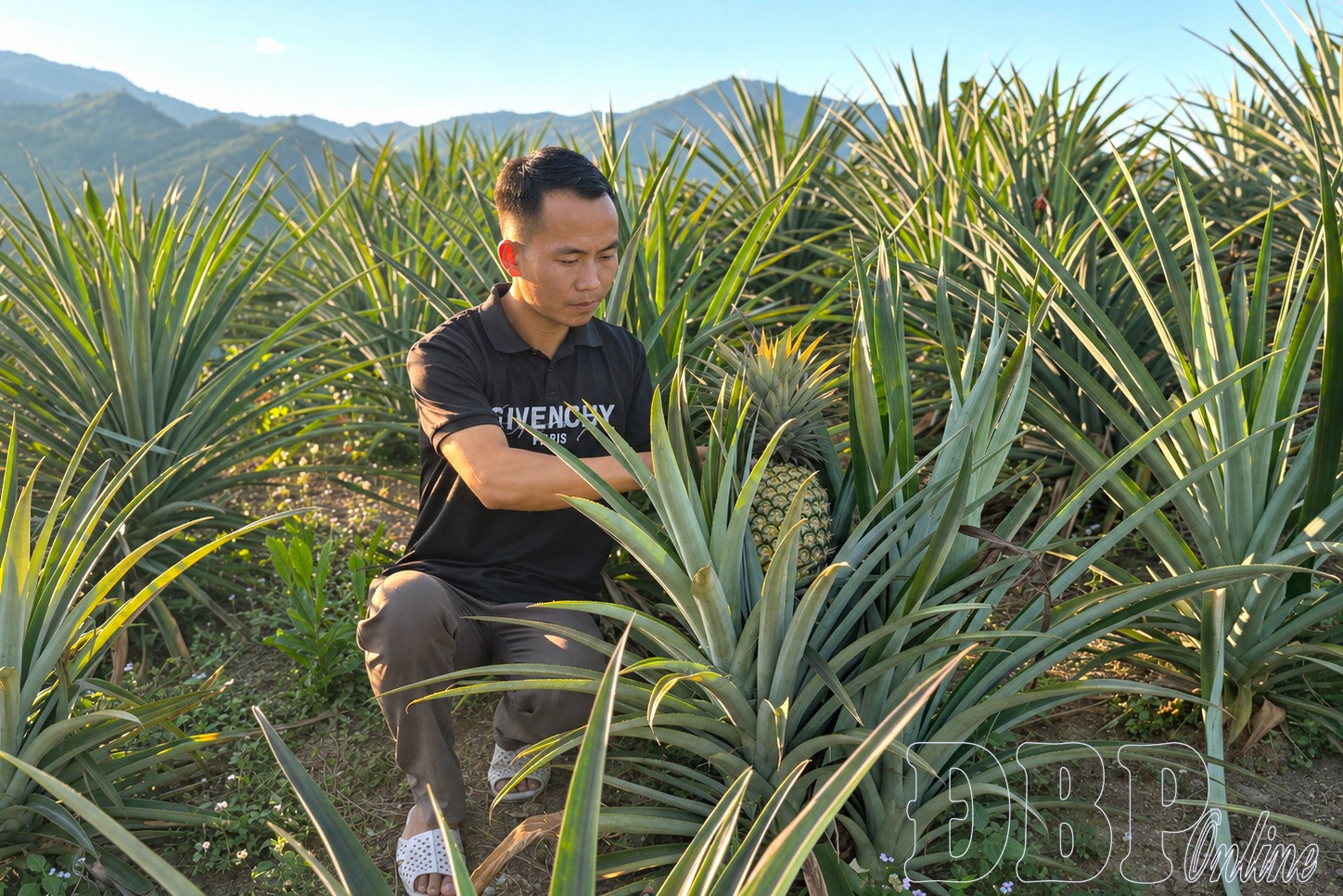
On 1ha of swidden land previously growing cassava, the family of Sùng A Sếnh in Tân An village, Tìa Dình commune, switched to planting pineapples and coffee. Planted concurrently, the two crops yield harvests at different times. Pineapples can be harvested earlier, while coffee requires additional care time before yielding stable harvests. Sếnh’s family model demonstrates that each household can choose a restructuring orientation aligned with their land fund and investment capacity.
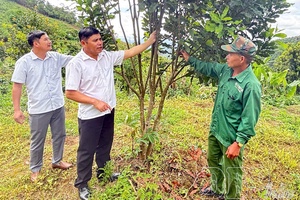
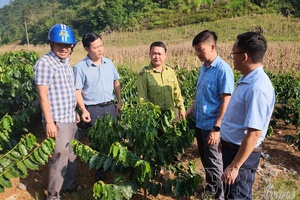
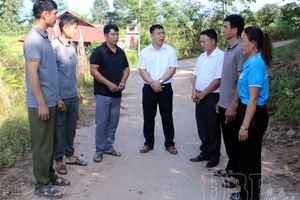
Over the past two years, many households in Tân An village actively converted steep land to plant coffee intercropped with macadamia to leverage shade. Giàng A Tùng, Secretary of the Tân An Village Party Cell, stated: In 2025, villagers planted 12ha of coffee. In 2026, residents newly planted an additional 38ha, raising the total area to 50ha. Through field inspections, the coffee trees are growing and developing well. As most were newly planted this year, households are concentrating on tending them so the trees develop stably.
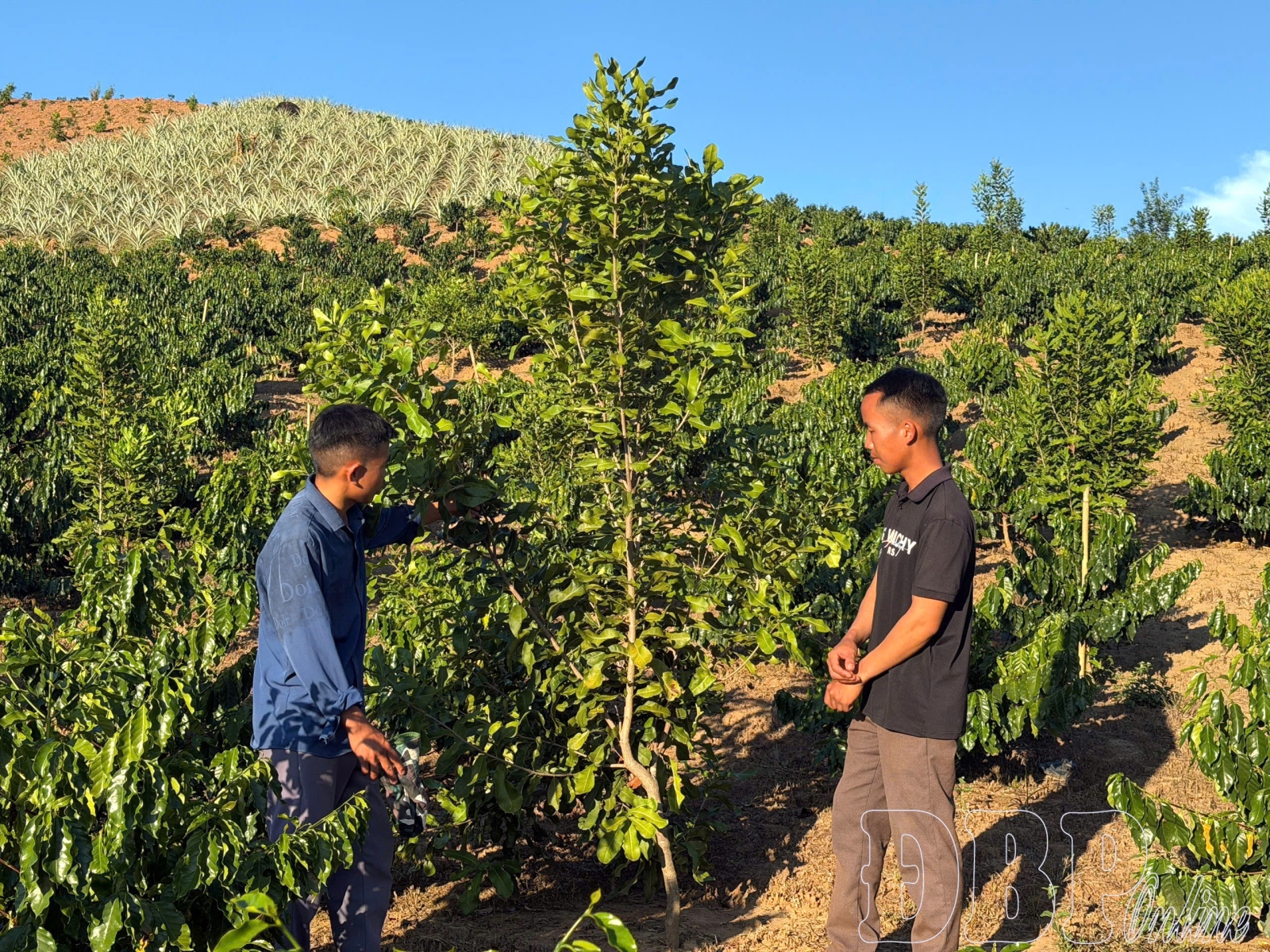
Supported with seedlings by the locality in 2025, the family of Vàng A Thò in Huổi Tống village boldly converted nearly 1ha of steep land to plant coffee. After one year, many trees have borne their first fruits. This year, his family continued to plant an additional 1ha. “Before, I planted corn and cassava, but saw that economic efficiency was not high. Hopefully, introducing coffee will bring higher economic efficiency,” Thò shared.
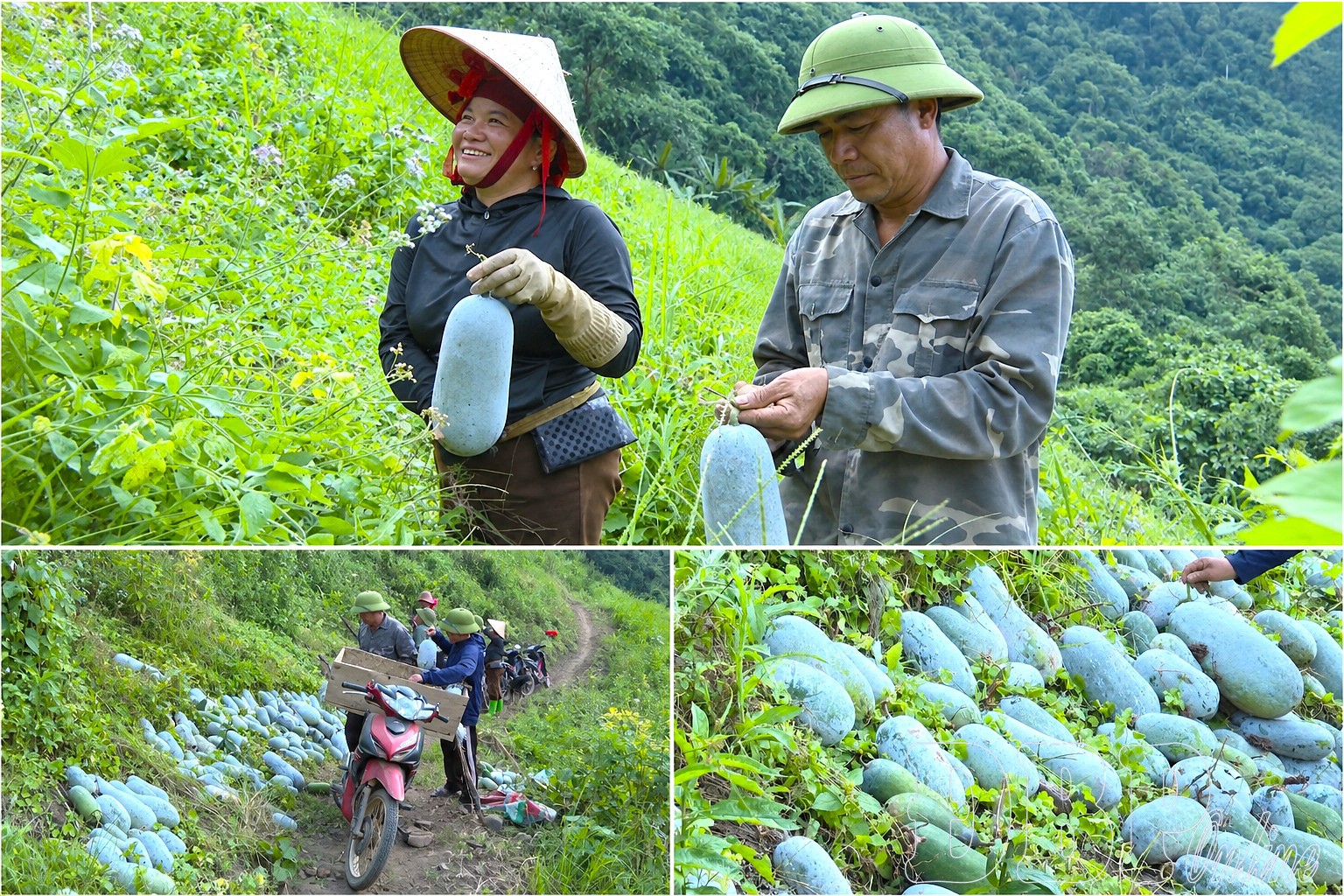
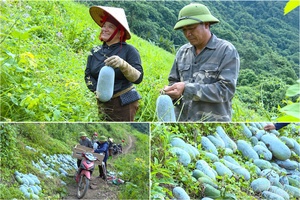
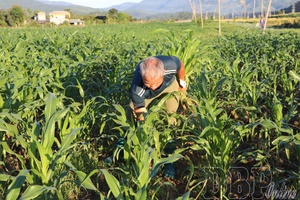
In Na Hay village, on an area of over 3,000m² previously planted with corn, Lò Văn Khánh’s family switched to planting winter melon, earning about VND 35 million annually. Compared to upland rice production, winter melon is easier to tend, suited to soil and climate conditions, and yields higher economic efficiency.
According to Lò Thị Xoan, Secretary of the Na Hay village Party Cell, crop selection is discussed specifically during Party cell meetings and village gatherings. For short-term crops, residents choose winter melon; for long-term industrial crops, households select coffee and macadamia. Some coffee-planted areas have already yielded harvests, providing villagers with a firmer basis for calculation when restructuring.
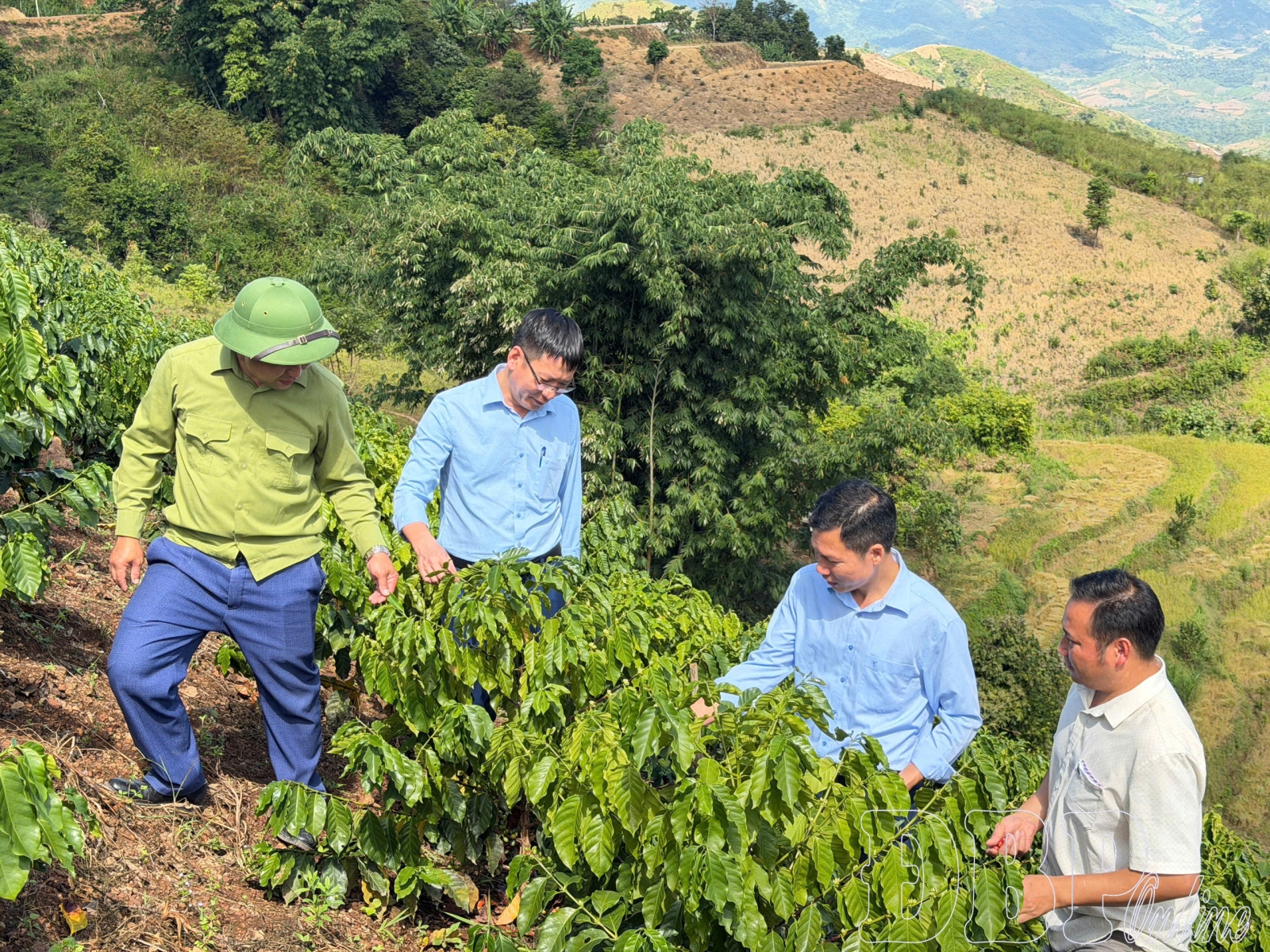
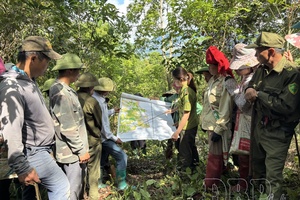
Following the merger, Tìa Dình commune covers a natural area of over 166km², with over 7,240 individuals living across 15 villages. The expansive territory, dissected terrain, and fragmented production impose the requirement to select appropriate crops. Executing Resolution No.11-NQ/TU of the Executive Board of the provincial Party Committee on restructuring the agricultural sector toward concentrated, green, smart, and sustainable commercial production, Tìa Dình commune identified coffee and macadamia as its two flagship crops to form concentrated production zones. Concurrently, the locality maintains crops suited to the realities of each village, such as: winter melon, golden pear, and pineapple. During implementation, participating households are guided by specialized cadres to select suitable crops, access support resources, and master care techniques for newly planted areas. Through village meetings, residents secure added opportunities to exchange, share experiences, and evaluate the efficacy of models deployed locally.
According to the socio-economic development report for the third quarter of 2026, Tìa Dình commune newly planted 160ha of coffee (achieving 160% of the assigned provincial plan) and 108.72ha of macadamia. Of the total newly planted coffee area, 80ha belongs to 2 production development support projects drawing 127 participating households. Across this area, macadamia is intercropped to provide shade for the coffee; the remaining 80ha of coffee is self-invested by residents. The locality targets continuing to convert 80ha of rice-growing land to plant coffee intercropped with macadamia in 2027.
Alongside expanding the growing zones for its 2 flagship crops, Tìa Dình commune maintains 70ha of winter melon, 22.6ha of golden pear, and 7.5ha of pineapple. The locality is finalizing procedures to request re-recognition of the Tìa Dình winter melon OCOP product and new recognition for the golden pear product. For crops that have already yielded harvests, organizing the timely collection and transport of agricultural produce is also an issue that must be calculated from the production arrangement stage.
Bùi Xuân Thức, Chairman of the Tìa Dình commune People’s Committee, stated: In the coming time, the commune will zone production by area. Low-lying areas will prioritize vegetable production; high, steep areas will prioritize industrial and fruit trees to mitigate erosion and elevate land use efficiency. Crop restructuring is tethered to technical training on planting, care, and pest and disease prevention; emphasizing guidance on clean, organic production processes and progressively applying digital technology during implementation.
According to the Chairman of the Tìa Dình commune People’s Committee, the locality orientates toward developing agricultural cooperatives, creating focal points to aggregate producing households and connect them with enterprises. Forming collection hubs and consumption contracts will help citizens proactively calculate acreage and output, mitigating off-take risks. This stage is receiving the locality’s early preparatory attention, right while the newly planted coffee and macadamia areas are in the tending phase.
Đào Phương


You have 500/500 characters left
Please enter 5 or more characters!!!