



The cultural wellspring here continues to be transmitted and nurtured, serving as the foundation for Mường Lay to unleash its identity, develop tourism, and preserve the nation’s soul amidst the rhythm of modern life.
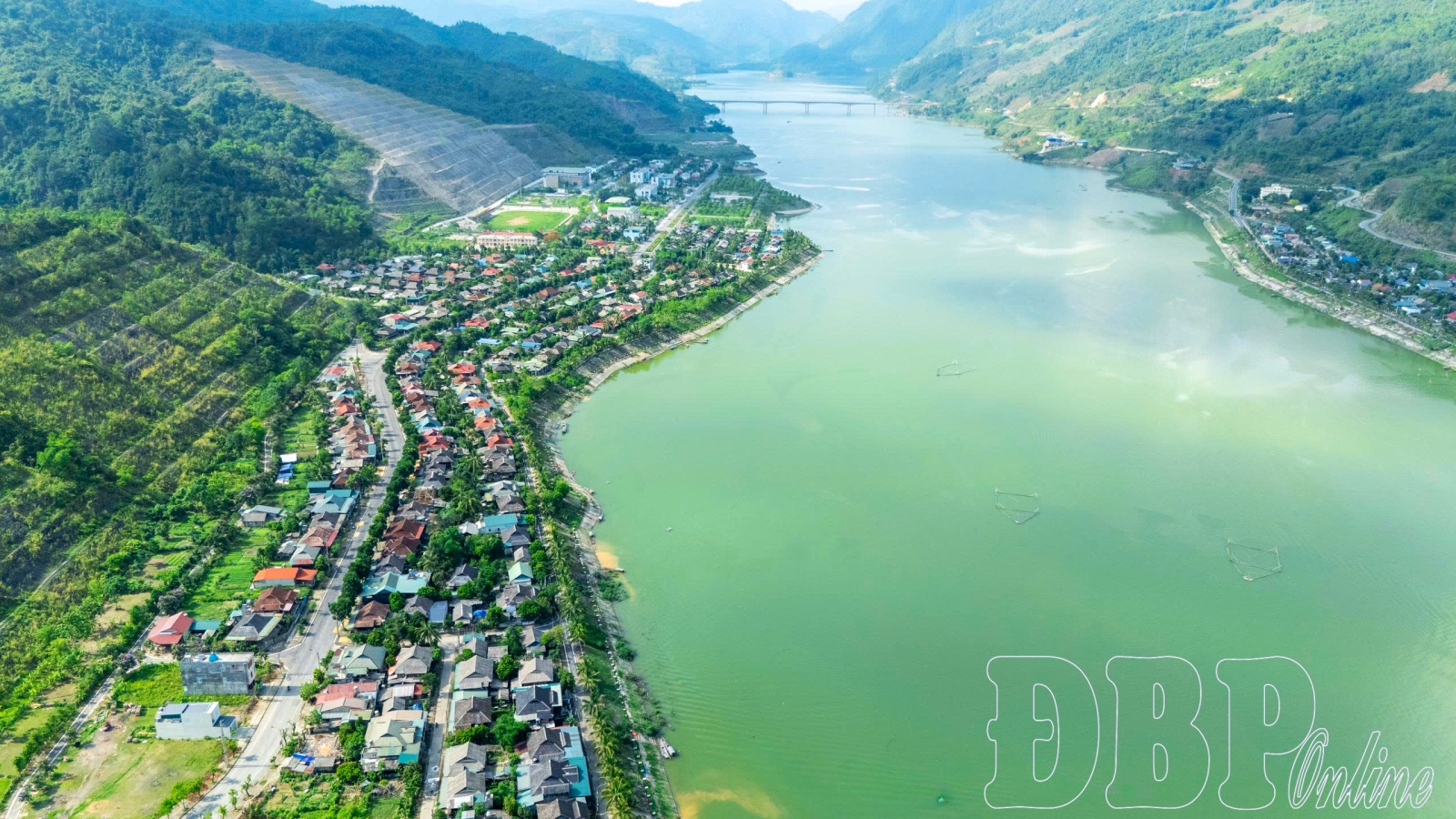
Situated at the confluence of the Đà River, Nậm Na River, and Nậm Lay stream, Mường Lay ward embodies the distinctive cultural traits of a land steeped in history. Amidst a landscape of overlapping mountains and winding rivers, White Thái villages continue to preserve traditional stilt houses, alongside customs, practices, and cultural activities cultivated across generations.
According to Lù Văn Ánh, Vice Chairman of the Mường Lay ward People’s Committee, following the reorganization of administrative units, the locality is home to 9 fraternal ethnic groups, among which the Thái ethnic group, specifically the White Thái branch, accounts for over 73% of the population. This community possesses a rich cultural treasury reflected in their language, writing, attire, cuisine, architecture, folk arts, and traditional festivals.
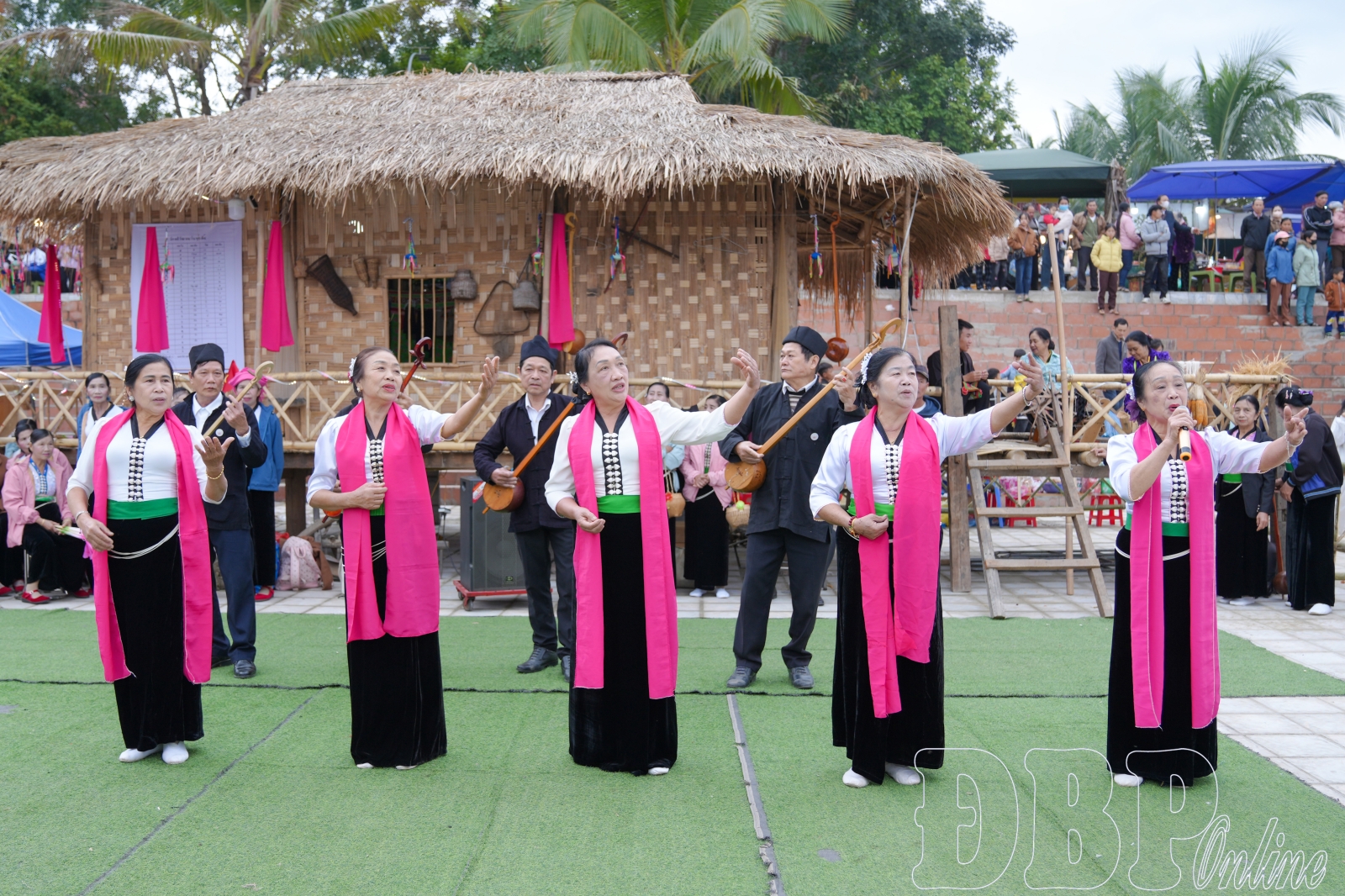
Within the cultural life of the White Thái people in Mường Lay, graceful xòe dances, ancient then melodies, the Kin Pang Then festival, and the resounding drums of the swallow-tailed boat racing festival on the Đà River have become hallmark cultural features, intimately tethered to the community’s spiritual life. Folk games such as tó má lẹ, throwing the còn, walking on stilts, and crossbow shooting, alongside rituals in weddings and funerals, are maintained in daily life and during community gatherings. Notably, Mường Lay is a locality harboring a community that practices two heritages inscribed by UNESCO on the Representative List of the Intangible Cultural Heritage of Humanity, encompassing the “Practices of Then by Tày, Nùng, and Thái ethnic groups in Vietnam” and the “Art of Xòe dance of the Thái people in Vietnam.” Coupled with the extensively preserved system of traditional White Thái stilt houses, these values forge a cultural space rich in identity, serving as a precious resource for the locality to develop community-based tourism.
The traditional customs and practices of the White Thái people continue to be safeguarded and transmitted across generations by the community. Recently, as part of the series of activities for the 2026-2027 Flooded Season Tourism on the Đà River, the traditional hair-washing ritual of the White Thái people was recreated beside the Nậm Lay stream, drawing nearly 100 participating women. Adorned in traditional attire, White Thái grandmothers, mothers, and young girls jointly performed the ritual utilizing familiar everyday items, creating a scene rich in cultural identity beside the Đà River.
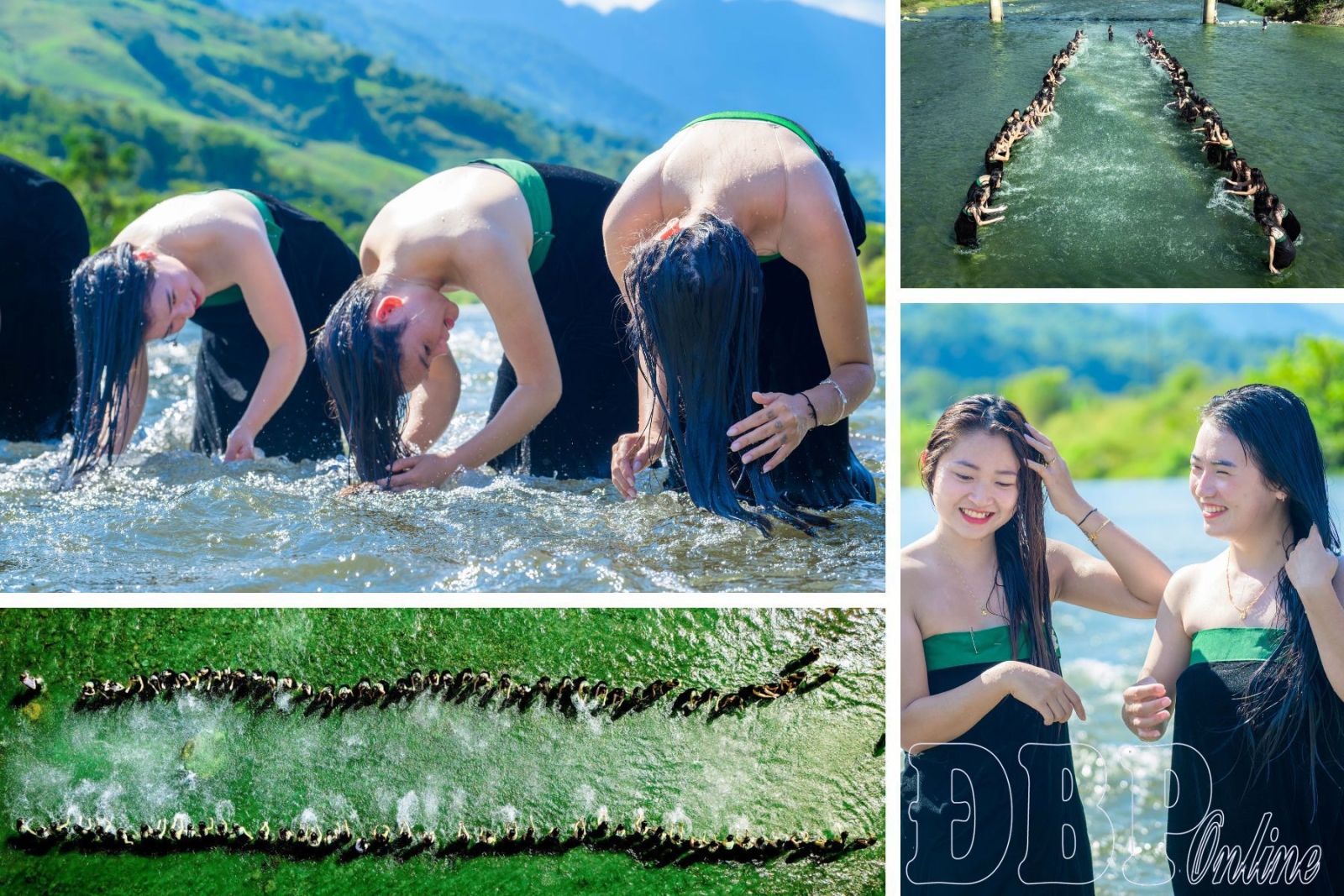
Following an invocation spoken in the Thái language expressing hopes for health, peace, and a prosperous life, the women gently leaned forward, letting their long hair flow with the clear blue stream. Each slow, graceful movement evoked the age-old custom of the White Thái people, manifesting the concept of washing away the misfortunes of the old year and welcoming the new year with faith and hopes for good tidings.
According to Lò Thị Lả, Deputy Head of the Mường Lay Thái Cultural Conservation Club, the hair-washing ritual is still maintained by many White Thái families on the 30th day of the Lunar New Year annually. Lò Thị Lả stated: This is a custom bearing profound humanistic significance, conveying the wish that the misfortunes of the old year drift away with the water, so as to step into the new year with abundant luck, family peace, and healthy, obedient, academically successful children and grandchildren. What is precious is that this custom continues to be safeguarded and practiced by generations within families, serving as a bond uniting the community and reminding descendants of their ethnic cultural roots. Recreating the ritual in tourism activities also contributes to introducing the beauty of White Thái culture to tourists, whilst awakening pride and a consciousness for heritage preservation within every resident of Mường Lay.
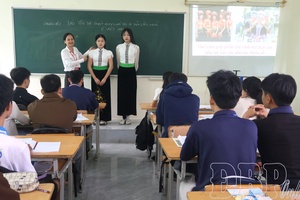
That spirit of cultural preservation is being carried forward through traditional handicraft transmission activities right in the villages. In the closing days of October and early November, in Quan Chiêng village, the Điện Biên Phủ Museum coordinated with the Mường Lay ward People’s Committee to organize two classes transmitting the crafts of making traditional attire and fabricating the tính lute (tính tẩu) of the White Thái people. Within the community living space, individuals versed in traditional crafts directly guided trainees to practice crafting stages, helping the younger generation access skills safeguarded by their forefathers across generations.
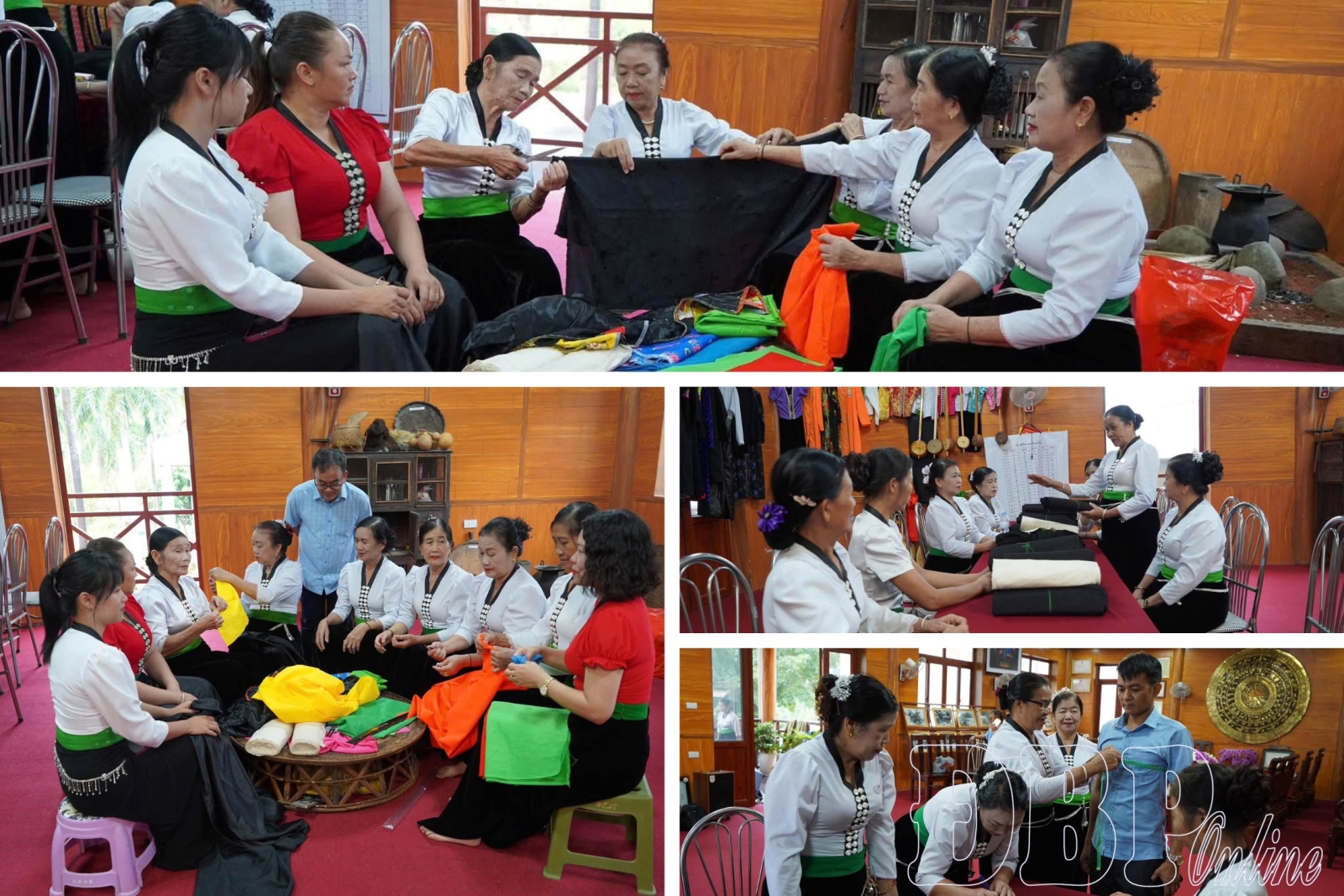
Đặng Trọng Hà, Deputy Director of the Điện Biên Phủ Museum, stated: Through the two classes, artisans secure the conditions to directly transmit skills and experience to the succeeding generation, contributing to sustaining traditional handicrafts at risk of fading. Alongside practical activities, the Điện Biên Phủ Museum also organized filming and photographing of the transmission process, building a documentary resource to serve research, archiving, conservation, and the promotion of ethnic cultural values.
According to Lù Văn Ánh, Vice Chairman of the Mường Lay ward People’s Committee, over the years, local Party committees and administrations have consistently prioritized the conservation and promotion of the tangible and intangible cultural values of ethnic minority groups. Numerous activities restoring festivals, preserving fine customs, maintaining mass art performance teams, and organizing folk art transmission have been deployed, creating conditions for citizens to directly participate in protecting heritage. The locality also emphasizes tethering cultural conservation to socio-economic development, exploiting advantages regarding natural landscapes, stilt house architecture, and traditional cultural life to form distinctive tourism products.
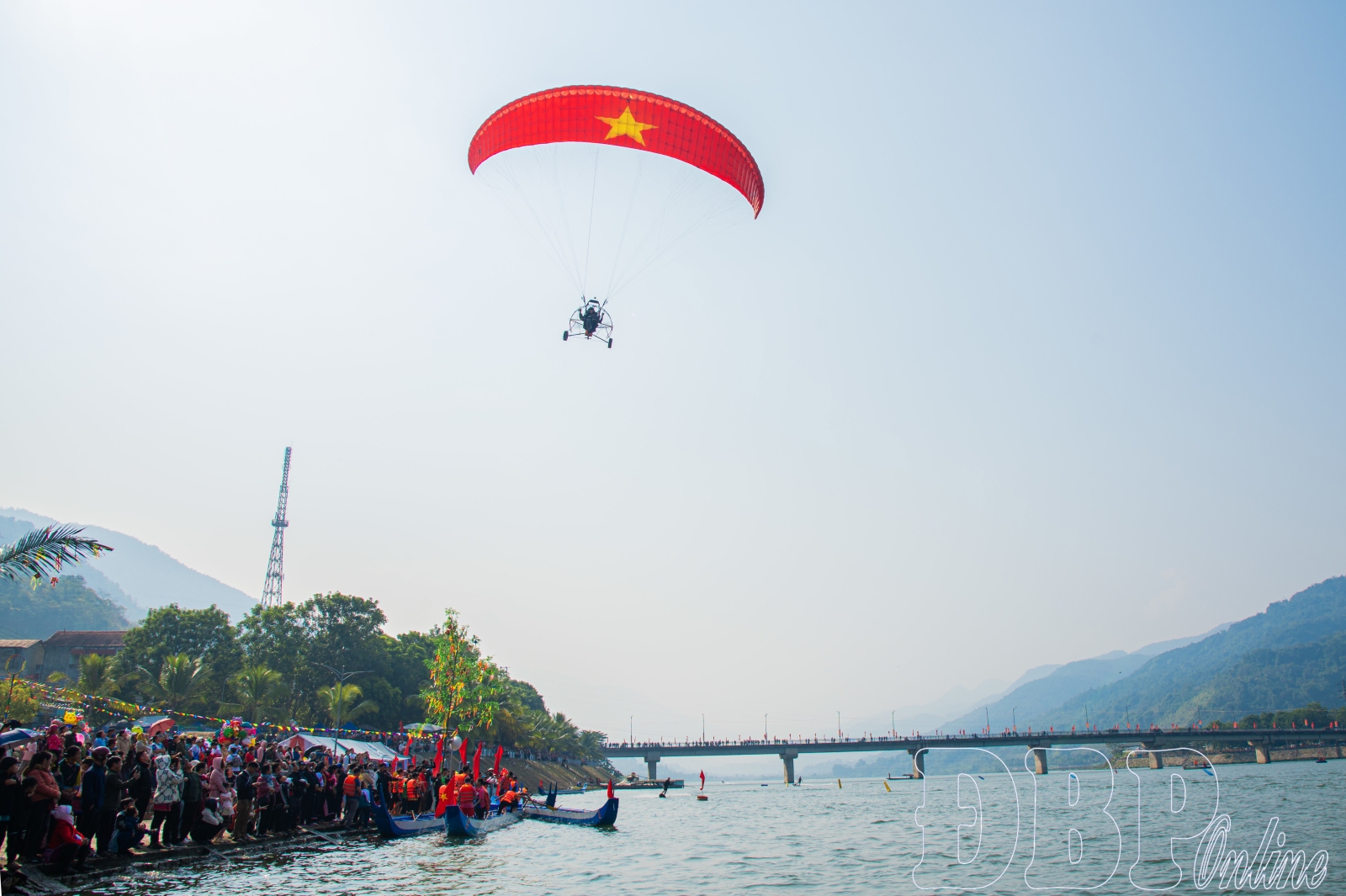
The cultural values of the White Thái people are progressively becoming advantages in Mường Lay’s tourism development. Beyond the swallow-tailed boat racing festival, activities experiencing folk culture, enjoying traditional cuisine, engaging in cultural exchanges, and exploring customs in the villages contribute to generating appeal for tourists. Among these, Quan Chiêng village has been recognized by the provincial People’s Committee as a tourist destination, unlocking opportunities for residents to participate in service activities, promote the image of their homeland, and unleash cultural values right within their living spaces.
The Đà River flows day by day through the land of Mường Lay, embracing peaceful villages nestled at the foot of the mountains. Amidst this space, the sound of the tính lute, the then melodies, the circles of the xòe dance, and every needle stitch on traditional attire continue to be cherished and safeguarded by generations of the White Thái people. The dedication of the White Thái people, coupled with traditional craft transmission activities, is contributing to extending the cultural wellspring, ensuring the values handed down by ancestors continue to live within the heart of the community, forging the distinct identity of Mường Lay beside the Đà River.
Diệp Chi





You have 500/500 characters left
Please enter 5 or more characters!!!