



As part of a smart agriculture project funded by Japan, technicians from the Điện Biên provincial Center for Agricultural Extension and Plant and Animal Breeding have learned modern farming technology and operating procedures from Japanese experts and engineers. The process involves operating sensor systems that collect data on temperature, humidity, light and soil EC/pH levels. These parameters are then converted into visual digital data on management software, providing a comprehensive picture of crop-growing conditions.
Rather than relying on intuition and experience as they did in the past, technicians now operate automated nutrient irrigation systems and real-time monitoring software themselves. Crop-care decisions are based on the analysis of digital datasets. The hands-on technical transfer approach has helped standardize procedures, reduce costs and improve productivity, while also demonstrating the spread of the “digital literacy for all” movement in agriculture. This proactive approach lays the foundation for technical staff to master new technologies and support farmers in scaling up smart, sustainable farming models across the province.
Minowa Yuya, Director of Japan’s Niinuma Tomofarm Co., Ltd., said: “There are always difficulties when first adopting new technologies, but the technicians in Điện Biên have grasped the procedures very well. Cooperation between Japanese experts and local technicians has gone smoothly. We hope to continue working closely together and introduce more modern techniques into local farming models.”
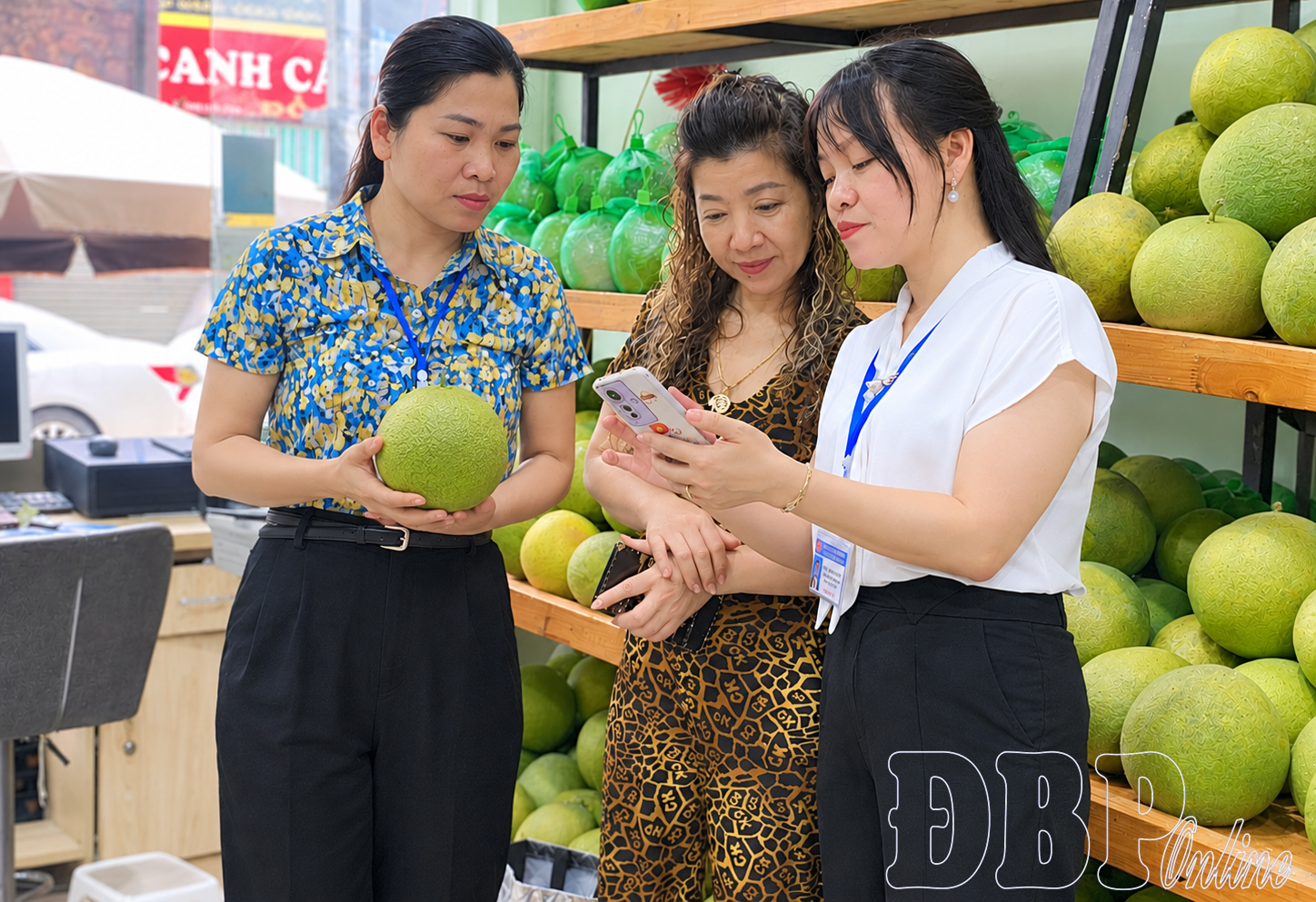
With the aim of developing modern, sustainable agriculture, Điện Biên province is actively promoting high-tech applications and digital transformation across the sector. The “digital literacy for all” movement is continuing to spread widely and take deeper root, turning technological tools into familiar farming skills and helping people gradually master digital knowledge in production.
Across the province, water-saving irrigation systems have been installed on approximately 350 hectares of vegetables and fruit crops. Meanwhile, MRV software has been applied to 109.5 hectares of rice to monitor, measure and reduce greenhouse gas emissions. Alongside modernizing farming practices, product quality management and traceability are being standardized. The province currently has 28 growing-area codes covering a total of more than 1,101.04 hectares for the domestic market.
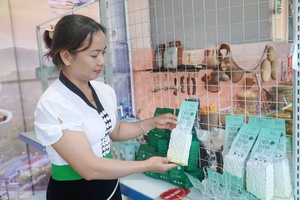
Lương Thị Toan, Deputy Director of Huy Toan Điện Biên Co., Ltd., said that when participating in the development of growing-area codes, the company had proactively digitized its entire management process, alongside initial technical support from relevant agricultural agencies. The company digitized production logs, established QR-code traceability and monitored technical standards and input materials through a digital data platform. Managing operations with technology enables the company to closely track farming practices, proactively control agricultural product quality and meet increasingly stringent market standards.
The “digital literacy for all” movement is now gaining momentum in State management, particularly in livestock production. The sector is focusing on developing and operating the national livestock database system. This is an important tool for State management, digital transformation and the development of modern, transparent and sustainable livestock production. Through the system, specialized agencies can gradually manage and update information on livestock populations, the number and scale of farms, farming methods and farm operations, helping improve the effectiveness of livestock management across the province.
A notable development in digital transformation is the adoption of the Vietnam Animal Health Information System (VAHIS). This digital tool supports the management, monitoring and reporting of animal disease outbreaks, connecting online information from local facilities to specialized agencies at provincial, regional and central levels. The system enables rapid sharing and updating of disease information through ad hoc and periodic reports. This helps detect and provide early warnings of disease risks, allowing specialized agencies to proactively advise on and implement timely prevention and control measures, limit the spread of disease and reduce livestock losses.
Phạm Đình Lai, Head of the Agriculture Division under the Department of Agriculture and Environment, said: “Digital transformation in agriculture must begin with raising people’s awareness and digital skills. We have identified it as a priority for technical staff to proactively guide and provide direct support, helping farmers and businesses gradually access and use digital technology in agricultural production. Digital transformation can truly become part of everyday life only when people understand the technology, know how to use it and see its practical benefits.”
The “digital literacy for all” movement is the key to helping Điện Biên’s agricultural sector overcome technological barriers, turn modern tools into familiar farming skills for residents and businesses, and improve management practices among public agencies. These practical achievements provide a solid foundation for modernizing local agriculture, increasing product value and enabling Điện Biên to integrate more actively into the wider economy.
Nhật Oanh
You have 500/500 characters left
Please enter 5 or more characters!!!