



Agricultural production has largely relied on traditional crops, which generate limited economic returns. Cooperation with Jiangcheng County in China’s Yunnan province to develop a sugarcane-growing area linked to processing and guaranteed purchasing is opening up a new production model, creating opportunities to restructure crops and increase incomes for residents in this border area.
To implement the 2025-2029 cooperation plan between the Điện Biên provincial People’s Committee and the People’s Government of Pu’er City in Yunnan province, China, Sín Thầu commune and Jiangcheng County have agreed to cooperate in developing the sugar industry. The two sides are introducing a “3+2” production partnership model. Under this arrangement, Sín Thầu is responsible for three key resources: land, local labor and raw sugarcane, while Jiangcheng County provides investment capital and farming technology through its designated partner, Jiangcheng Zhongyun Agricultural Products Import and Export Co., Ltd. (also known as Jiangcheng Zhongyun Sugar Industry Co., Ltd.).
The model aims to address fundamental challenges facing agricultural production in mountainous areas, particularly limited access to capital, inadequate technical expertise and uncertain market outlets. By bringing together local authorities, businesses, cooperatives and residents from the initial stages of land preparation and input supply through to production and product sales, the partnership is laying the groundwork for a concentrated raw-material growing area to supply processing facilities.
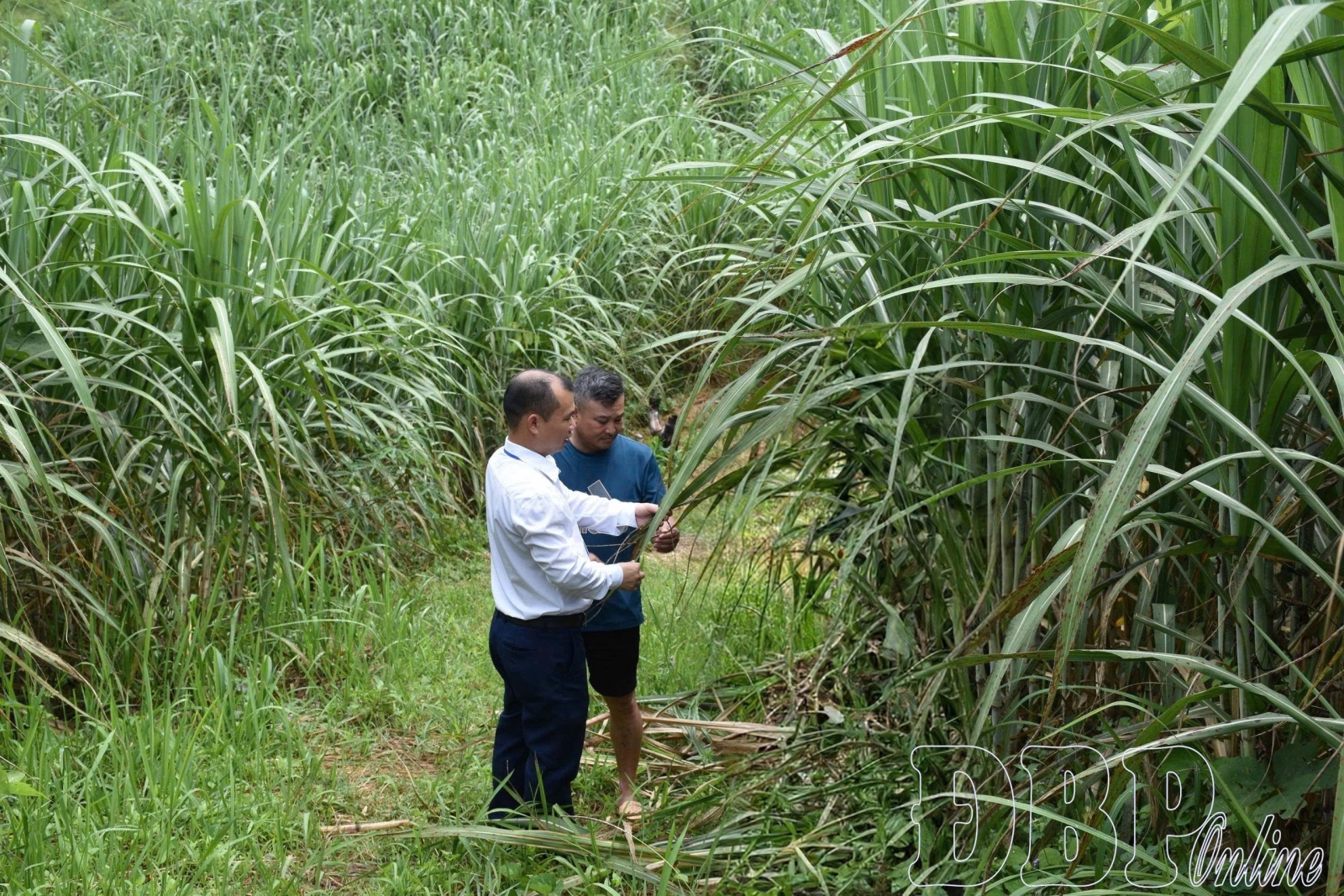
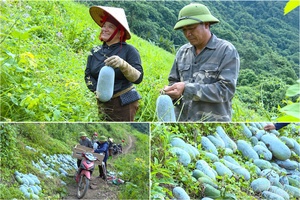
More than 32 hectares of sugarcane have been planted in the commune. Of this area, the Mường Nhé Agricultural and Forestry Services Cooperative has planted nearly five hectares in Phứ Ma village. Under the model, the cooperative receives support from the company in the form of seedlings, fertilizer and technical guidance, as well as a commitment to purchase its output.
Ngô Văn Nam, Director of the Mường Nhé Agricultural and Forestry Services Cooperative, said: “After planting nearly five hectares of sugarcane in Phứ Ma village, I have found that the crop is relatively drought-resistant and does not require intensive care. Our Chinese partner provides seedlings and fertilizer, offers technical guidance and guarantees to purchase the harvest at an agreed price. Based on our preliminary calculations of investment and labor costs, we expect sugarcane to deliver strong economic returns.”
Building on these initial results, the model is being expanded with the participation of three cooperatives, businesses and numerous households. According to local estimates, at a minimum purchase price of more than VND 1 million per tonne, each hectare of sugarcane could generate a profit of around VND 50 million after production costs.
A key factor in building growers’ confidence is the company’s commitment to purchasing their produce. Under the agreement, Jiangcheng Zhongyun Sugar Factory will buy raw sugarcane grown within the designated area at a minimum price of more than VND 1.1 million per tonne. The company also provides agricultural inputs and fertilizer and assigns technical staff to guide farmers through land preparation, variety selection, crop care and harvesting. Linking production with processing and sales is expected to reduce the risk of farmers being left without buyers and give them greater confidence in switching to a new crop.
Nguyễn Văn Thắng, Chairman of the Sín Thầu commune People’s Committee, said the commune aims to develop a 500-hectare sugarcane-growing area between 2026 and 2028. The partner will ensure access to capital, technical support and guaranteed purchasing, while the commune will focus on land-use planning, mobilizing local labor and encouraging residents to participate. The specific targets are at least 150 hectares in 2026, 300 hectares in 2027 and 500 hectares in 2028. In addition to sugarcane, the commune is also discussing with Qushui town in Jiangcheng County the possibility of cooperating to grow other crops, such as chili peppers, to make better use of local land resources and diversify agricultural production.
The cooperation agreement between Sín Thầu commune and Jiangcheng County is valid for five years, providing a basis for the two sides to maintain and expand their production partnership. From more than 30 hectares already planted to the target of developing a 500-hectare growing area, the “3+2” model is gradually connecting the commune’s strengths in land and labor with businesses’ capital, technology and processing capacity. Its effectiveness will ultimately be measured through successive harvests, but business support and farmers’ determination provide a solid foundation for sugarcane to take root in this border junction area.
Lan Phương


You have 500/500 characters left
Please enter 5 or more characters!!!