



Keeping culture flowing
Following the resounding success of the 2024 national tourism year, Điện Biên Phủ city has emerged as a compelling destination. While its wartime legacy draws many, a growing number of travelers are also captivated by the vibrant cultural traditions of the local ethnic communities. This unique cultural identity is considered essential to the city’s long-term tourism strategy.
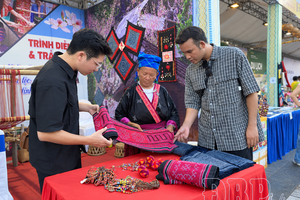
Recognizing that local residents are the true custodians of cultural heritage, Điện Biên Phủ has prioritized empowering them to preserve and celebrate their traditions. However, in the face of modernization and integration, traditional cultural practices have struggled to maintain their relevance, particularly among the youth. In response, city authorities have intensified awareness campaigns and provided support to localities to preserve and promote ethnic culture.
.jpg)
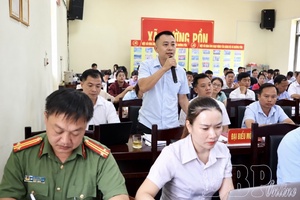
In Hua Rốm village, Nà Tấu commune, young people are actively encouraged to participate in cultural, artistic, and sporting events. They are learning about traditional music, dance, and folk games.
Vàng A Săng, the village head, shared: “Hua Rốm has 140 households and over 700 residents, all of them Hmong. In recent years, the city has launched many initiatives and policies to preserve our cultural heritage. While elders and artisans play a key role, we also engage young people as an essential force in these efforts.”
The local youth union, with over 30 members, has taken the lead in cultural training activities. Initially, participation was limited, but today, most young members can perform and contribute to traditional music, dance, and games. Some have joined performance teams that represent the village in events organized by the city and higher levels of government.
.jpg)
Recently, Giàng Thị Dợ was one of a few youths from Nà Tấu commune selected to participate in Vietnam ethnic culture day held at the Vietnam national village for ethnic culture and tourism in Đồng Mô, Sơn Tây, Hà Nội. “It was the first time I took part in such a large event. I felt incredibly proud”, shared Dợ. “Our traditional shuttlecock game really intrigued many visitors. Seeing their enthusiasm made me feel proud of my culture and even more determined to preserve it”.
In Kéo village, Pá Khoang commune, home to an entirely Khơ Mú ethnic population, with 90 households and more than 500 residents, traditional cultural elements are making a comeback after years of decline. Previously, Khơ Mú identity had blurred among neighboring ethnic groups. But with targeted programs and support, their unique customs are gradually being revived and incorporated into daily life and tourism development.
Alongside the everyday use of traditional clothing, bamboo weaving has regained prominence. Many households now practice the craft to both serve domestic needs and sell to visiting tourists. Local authorities have supported the creation of a traditional bamboo weaving club in Kéo village. Initially composed of 20 mostly elderly members, the club has recently attracted several younger participants.
.jpg)
Quàng Văn Hặc, a longtime club member, said, “Bamboo weaving has been passed down for generations. I learned the craft from my parents nearly 60 years ago. We make household items like trays, baskets, and sieves. Even the walls of traditional Khơ Mú houses are woven by us. With renewed interest and support, we’re committed to preserving the craft for our children and grandchildren”.
Developing distinctive tourism products
For decades, Điện Biên Phủ has been synonymous with the historic victory that bears its name. Yet few realize the city also boasts a rich and colorful cultural mosaic, shaped by the ethnic groups living in the Điện Biên valley. As a cultural and historical epicenter, the city plays a leading role in the province’s overall development strategy, serving as both a key destination and a vital link in Northwestern region of Vietnam’s tourism network.
.jpg)
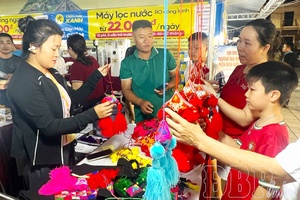
To leverage this potential, the city has prioritized the restoration and promotion of ethnic cultural heritage in tandem with tourism. Initiatives led by the municipal government include reviving the traditional Thái “Hạn Khuống” festival, organizing training sessions in Thai folk songs, dances, music, and the art of Xòe dancing; preserving traditional Hmong blacksmithing techniques; conducting a comprehensive inventory of intangible cultural heritage; and formalizing local art performance groups. These efforts aim to enrich the cultural life of residents while enhancing the visitor experience.
In addition, Điện Biên Phủ city is partnering with the center for nature conservation and development (CCD) to develop tourism products rooted in the city’s natural and cultural assets. Projects include the “Tourism product development plan based on natural and cultural resources in Điện Biên Phủ city to 2025” and the “Điện Biên Phủ city tourism development plan 2024-2030”. These plans aim to create breakthrough tourism products and position the sector as a leading driver of economic growth and transformation.
.jpg)
Center to these plans is the sustainable use of cultural and natural resources, including the protection of historical sites, environmental conservation, and community empowerment.
The activities are oriented toward promoting community-based and eco-tourism, aiming to support the poor, the vulnerable, and ethnic minorities by creating development opportunities, generating jobs, and increasing income. At the same time, this is also an important solution to raise public awareness and responsibility toward nature, the environment, and traditional culture. From there, it helps define actions and initiatives for the shared development of local tourism
Hà Linh
.jpg)
.jpg)
.jpg)
.jpg)
.jpg)
.jpg)
.jpg)
.jpg)
.jpg)
.jpg)
You have 500/500 characters left
Please enter 5 or more characters!!!