



Each year, the festival undergoes a process of renewal, introducing creative activities that broaden both its thematic content and its geographical footprint. From artistic performances and historical re-enactments to community-based tourism offerings, the event is actively carving out a fresh appeal for the region’s travel industry.
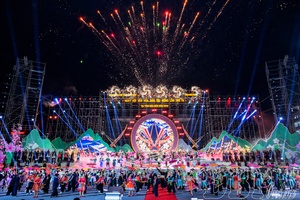
One of the premier highlights of the 2026 edition was the debut of the Street Carnaval, which took place on the evening of March 9. The program mobilized nearly 3,000 professional and amateur performers and distinguished itself by blending a motorcycle parade with street art and a high-altitude fireworks display. Trần Hải Hà, Acting Director of the Department of Culture, Sports, and Tourism, noted that integrating the Carnaval into the official schedule aims to diversify cultural offerings while projecting the image of Điện Biên to a global audience and stimulating tourism growth.
.jpg)
Historical experiences have also been revitalized to engage modern travelers. While previous years focused on activities like pulling artillery or transporting ammunition, 2026 introduced a new immersive experience titled “The Hoàng Cầm Stove and the Soldier’s Meal.” Set within the historic grounds of the Điện Biên Phủ Victory, the sight of a Hoàng Cầm stove smoldering under the forest canopy recreates a poignant slice of military life from the past. This simple yet emotionally resonant space allowed participants to “touch” history, as described by Phạm Khánh Hưng, a visitor from Hưng Yên province, who remarked that participating in the lighting of the fire helped him understand the immense hardships soldiers faced while maintaining secrecy in the jungle.
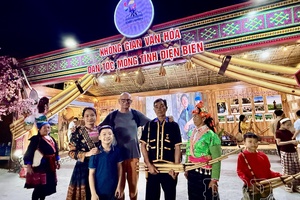
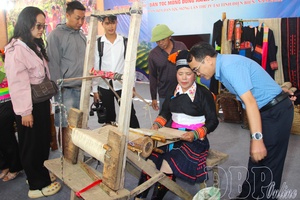
Beyond refreshing individual products, the festival has expanded its reach by hosting events directly within cultural villages and community tourism hubs. In U Va village of Thanh Yên commune, the real-scene show “The Legend of U Va” returned for its third year, using the natural landscape to foster a deep connection with indigenous culture. Vì Thứ Trưởng, Head of U Va village, shared that the influx of tourists has brought both extra income and a sense of pride to the villagers, who enjoy introducing their heritage to outsiders. Similarly, the Phiêng Lơi Cultural Village in Điện Biên Phủ ward hosted events where guests could explore traditional stilt houses and sample local delicacies like upland sticky rice and grilled fish. Trương Mỹ Kim, a tourist from Hồ Chí Minh City, expressed her admiration for the authentic atmosphere that successfully balanced vibrancy with deep cultural identity.
Mường Lay ward emerged as another vital focal point this year with the “To the Land of Bauhinia Flowers” festival, highlighting the heritage of the White Thái people. Visitors witnessed the traditional hair-washing ritual and participated in lake-based activities such as kayaking and swallow-tail boat racing, alongside learning the craft of making local cakes like khẩu xén. Lù Văn Ánh, Vice Chairman of the Mường Lay ward People’s Committee, emphasized that this was a key opportunity to link the beauty of bauhinia flowers with local ecological and community tourism strengths.
Ultimately, the Bauhinia Flower Festival has firmly established its role as a representative cultural pillar of Điện Biên. By continuously innovating and expanding, the festival has created a multifaceted cultural mosaic that reflects the lives of the Northwest ethnic groups. As the mountains turn white with blossoms, the province’s commitment to sustainable tourism and creative branding ensures that the stories of Điện Biên’s history and people continue to reach travelers from near and far.
Thu Hằng
.jpg)
.jpg)
.jpg)
.jpg)
.jpg)

.jpg)
.jpg)
.jpg)
You have 500/500 characters left
Please enter 5 or more characters!!!