



These efforts have served as a vital foundation for promoting socio-economic development while ensuring national defense and security. By fully internalizing the Party’s resolutions and directives, local authorities have proactively translated policies into practical plans tailored to local conditions.
The integration of mass mobilization with administrative streamlining and the transition to a two-level local government model has not only enhanced state management efficiency but also created better conditions to serve the people. The responsibility of heads of agencies and localities has increased significantly, ensuring that the legitimate concerns and grievances of the public are heard and resolved promptly.
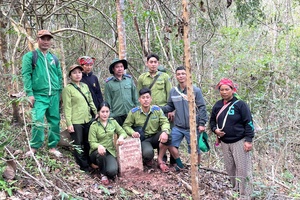
A prominent highlight of this work is its close connection to socio-economic development tasks. The “Skillful Mass Mobilization” movement, combined with grassroots democracy and social security programs, has yielded practical results in poverty reduction and ethnic affairs. In the construction of new rural areas, Nà Hỳ commune stands out as a prime example of successfully mobilizing the community. The movement for farmers to donate land and labor has spread from individual households to entire villages.
.jpg)
In the last two years, Party members and residents in the commune have donated nearly 20,000m² of land for roads and essential infrastructure. Specifically, 37 households in Huổi Cơ Mông village donated 17,250m² for concrete roads, while Nậm Ngà 2 and Nậm Chua 5 villages donated hundreds of square meters for cultural houses. These contributions have fundamentally changed the rural landscape and improved the quality of life for local residents.
In the judicial sector, mass mobilization is reflected in the improved quality of law enforcement and the protection of citizens’ legal rights. The province currently maintains 1,449 reconciliation teams with 8,411 reconciliators. In 2025 alone, these teams successfully resolved 4,712 out of 6,147 cases, settling conflicts at the grassroots level and maintaining community solidarity. Furthermore, mobile courts, mock trials, and grassroots legal dissemination have been intensified to raise awareness and prevent violations early and from afar.
Mass mobilization remains a core component of maintaining political security and social order. Armed forces have proactively mobilized the public to prevent free migration and illegal border crossings while encouraging vigilance against malicious plots. These forces also actively participate in rescue operations and help residents overcome natural disasters.
The provincial Border Guard Command has become a symbol of this spirit through models such as “Border guards join hands to build new rural areas,” “Accompanying women in border areas,” and “Paving the way for children to go to school.” The “Soldier’s Rice Jar” initiative at various units has provided tens of tons of rice to poor households. Additionally, border officers have contributed thousands of workdays to help residents with production, road upgrades, irrigation repairs, and housing construction, contributing substantively to sustainable poverty reduction and border security awareness.
The Fatherland Front and various socio-political organizations have implemented mobilization effectively, focusing on substantive results. Through hundreds of monitoring sessions, social criticisms, and public consultation meetings, grassroots issues are promptly captured and addressed, enhancing transparency and consensus. Mass organizations have also innovated their methods to focus on the grassroots, taking care of the lives of their members and strengthening the great national unity bloc.
Ultimately, mass mobilization has become a strong bridge between the Party’s will and the People’s heart. These concrete changes at the grassroots level have built up public trust and consolidated social consensus, creating an important internal resource for development. These results provide a solid foundation to continue innovating and improving the quality of mobilization, contributing to a clean and strong political system and sustainable socio-economic growth.
Thu Phương
.jpg)
.jpg)
.jpg)
.jpg)
.jpg)
.png)
.jpg)
.jpg)
.jpg)
.jpg)
.jpg)
You have 500/500 characters left
Please enter 5 or more characters!!!