
OCOP - “Passport” for Điện Biên’s specialties

ĐBP - From familiar daily items, many products in Điện Biên province have taken on a “new look” once their production processes were standardized, brands were built, and OCOP stars were awarded.

These products now possess a “passport” to enter much larger markets. The OCOP “ticket” not only drives economic development but also spreads the image of Điện Biên’s specialties to various regions across the country.

From the early, hesitant steps, the OCOP program in Điện Biên has gradually spread and made a clear mark on rural economic development. By the end of March 2026, the entire province had 147 OCOP products, including 142 3-star products and 5 4-star products. This figure has far exceeded the initial goal of 90 to 100 products, reflecting the synchronized and determined involvement of all levels and sectors alongside the active response from the grassroots. The 92 participants in OCOP, including cooperatives, enterprises, and production facilities, have contributed to a colorful rural agricultural landscape. Each subject acts as an important link in the journey to elevate local products through organized production, improved designs, brand building, and market expansion.
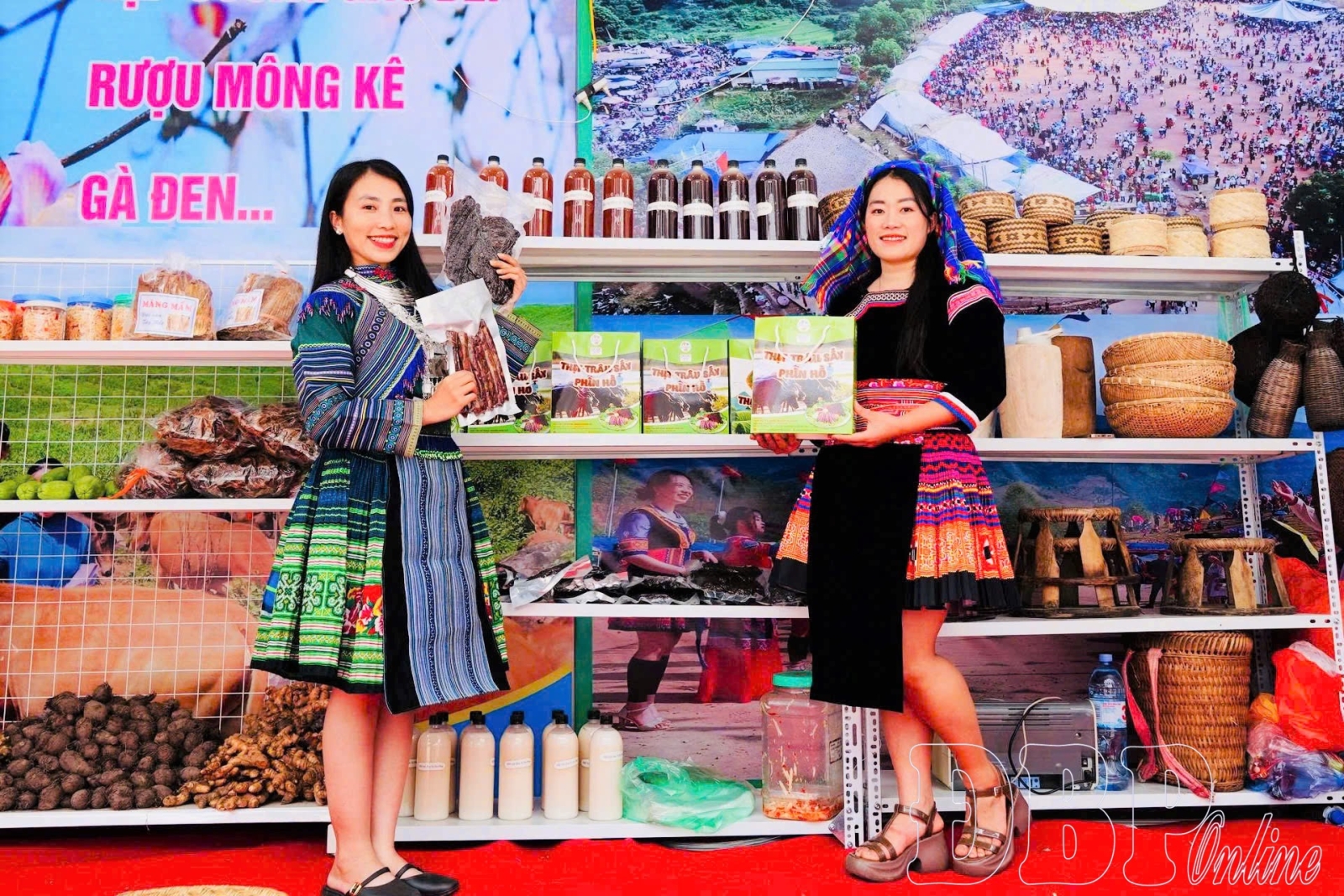
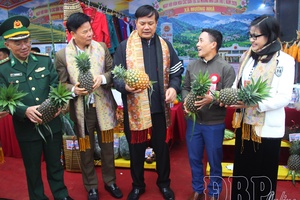
Through increased promotion and introduction, the Phìn Hồ dried buffalo meat product has become known to many consumers.

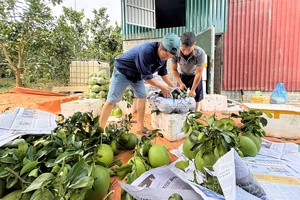
The Hồng Phước Cooperative currently has two products recognized with 3-star OCOP standards: canna vermicelli and macadamia. By focusing on investing in product quality, perfecting designs and packaging, and building a distribution system, the cooperative’s products are now consumed in many provinces and cities such as Hanoi, Hải Phòng, Sơn La, and Bắc Ninh.

Lò Văn Pâng, Director of the Hồng Phước Cooperative, shared that to reach further and affirm their position, the cooperative invested in upgrading production workshops and innovating processing procedures in a professional and synchronized manner. They also actively engage in advertising and trade promotion to bring products closer to consumers.

Similarly, the dried buffalo meat of the Phìn Hồ Agricultural Cooperative is a newly recognized 3-star OCOP product. Lò Thị Nhung, Director of the cooperative, noted that this recognition has helped more people learn about their product, increasing its value to an average price of VND 800,000 per kilogram. She hopes that in the future, the cooperative’s products will be known by even more consumers to improve the income of its members.
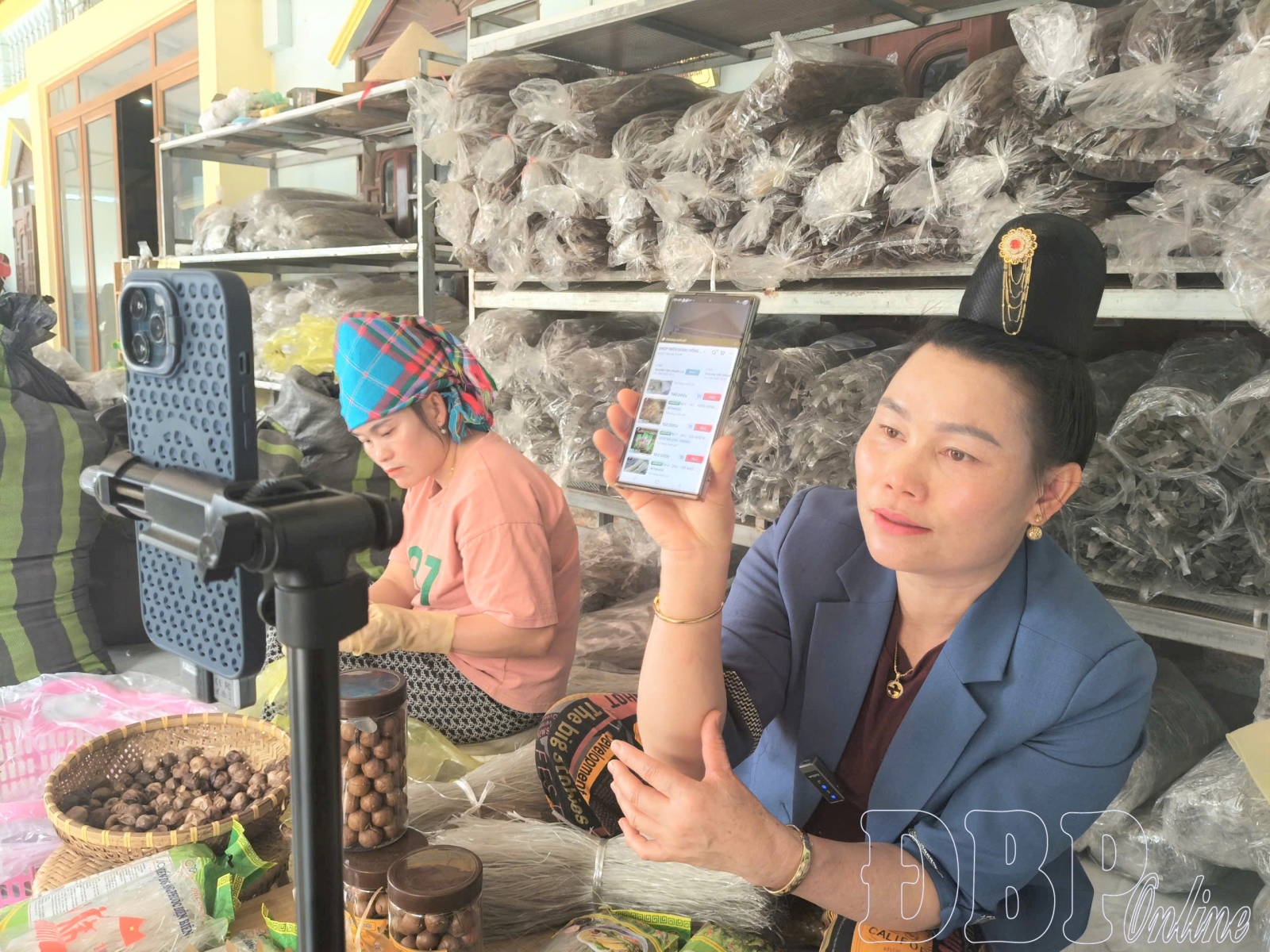
OCOP products from the Hồng Phước Cooperative are promoted and traded on e-commerce channels.

Consumer feedback has been equally positive. Tòng Thị Hà, a resident of Tuần Giáo, expressed her impression of Điện Biên’s OCOP agricultural products due to their natural quality, characteristic flavors, and clear origins. She noted that product packaging has also improved, becoming more convenient and attractive. She hopes these products will be distributed even more widely for easier access.

Another high-potential direction that the province is particularly interested in promoting is linking OCOP development with tourism. With its rich cultural heritage and majestic natural landscapes, Điện Biên is focusing on elevating OCOP products to become a “bridge” that brings stories of the border land and its people to tourists. The province has issued various mechanisms and policies to encourage, support, and prioritize individuals and collectives in developing OCOP products within the tourism service group. This is gradually forming destinations linked to indigenous cultural experiences where tourists can explore, enjoy, and purchase products that carry the distinct mark of Điện Biên.

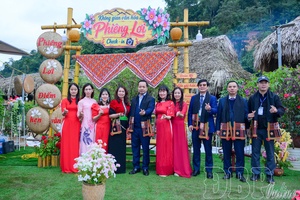
Currently, the province has two recognized OCOP products in the tourism service group: the Mường Then eco-tourism resort in Thanh Nưa and the Pha Đin Cooperative in Quài Tở. These models have opened new paths for integration. With a scientific approach and spaces designed to be close to nature while harmonizing with traditional local architecture, the Pha Đin Cooperative is becoming an attractive stop. Since the beginning of the year, it has welcomed over 15,000 visitors. Trần Thị Mỹ Linh, the Director of the Pha Đin Cooperative, shared that the OCOP recognition has enhanced their prestige and attracted more tourists, opening a sustainable development path where tourism is linked to agriculture. Nguyễn Thị Phương Anh, a tourist from Hanoi, was impressed by the traditional cultural feel and the highland market within the cooperative, where she purchased macadamia and dried meat as meaningful gifts.
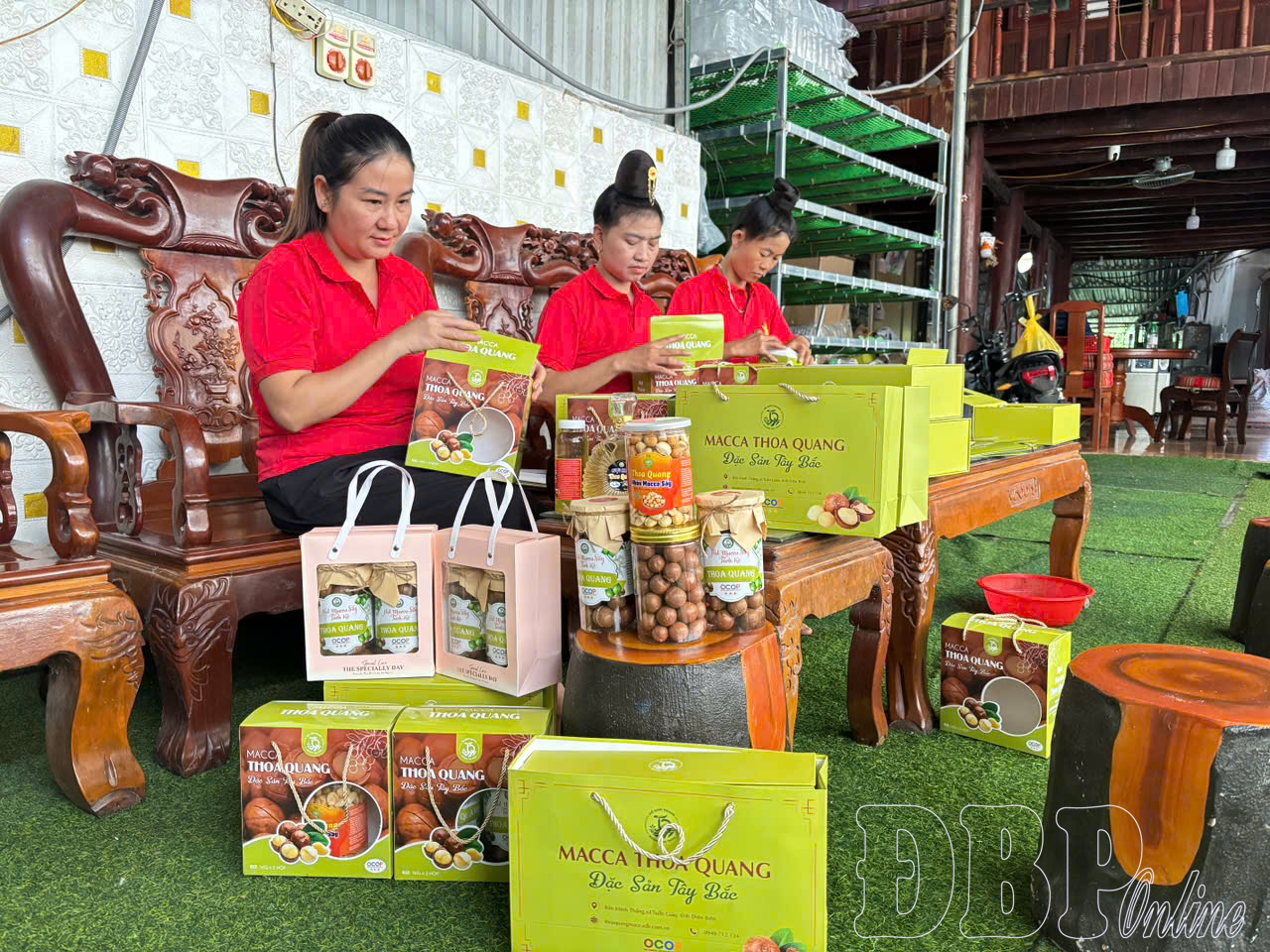
Thoa Quang dried macadamia nuts are trusted and favored by consumers.

During the 2021-2025 period, Điện Biên province actively implemented trade promotion activities to expand the market for agricultural products. The province organized business delegations to participate in trade exhibitions across the country and national-scale promotion events to connect supply and demand. Currently, 28,998 agricultural households have been trained to use e-commerce platforms, 3,871 have received digital skills training, and 1,194 have online stores. There are now 493 provincial agricultural products introduced and promoted on e-commerce platforms. The OCOP program has shifted the production mindset of businesses and cooperatives from quantity to quality and from raw production to deep processing, meeting higher standards of food safety and traceability.

Each recognized OCOP product serves as a “ticket” that allows Điện Biên’s specialties to soar, contributing to the sustainable development of the province’s agriculture and rural areas.

Sầm Phúc
Comment

You have 500/500 characters left

Please enter 5 or more characters!!!

Recent news

  • 'Enhancing official capacity to meet task requirements

    Enhancing official capacity to meet task requirements

    NEWS - POLITICS -
    ĐBP - Amid increasingly demanding task requirements, Điện Biên province focuses on innovating training and fostering work, improving professional qualifications, operational expertise, and political resolve for its contingent of cadres, civil servants, and public employees. Thereby, it step by step builds a contingent of officials with integrity, capacity, and responsibility, meeting task requirements in the new situation and contributing to enhancing the efficacy and efficiency of the political system.
  • 'Mường Ảng green-skinned pomelo targets sustainable markets

    Mường Ảng green-skinned pomelo targets sustainable markets

    ECONOMY -
    ĐBP - With about 70 ha planted with green-skinned pomelo and an estimated output of 400 tonnes per year, the area of Mường Ảng, Nà Tấu, Búng Lao, and Mường Lạn communes has step by step tapped economic efficiency from green-skinned pomelo. However, for stable development, improving quality, building brands, and expanding consumption markets remain issues requiring attention.
  • 'Hoong Lếch builds a new life

    Hoong Lếch builds a new life

    SOCIAL AFFAIRS -
    ĐBP - Hoong Lếch village, Thanh Nưa commune, was merged from Hoong Lếch Cang and Hoong Lếch Cuông villages. As one of the long-standing settlements of the Thái ethnic people in the Mường Thanh valley, the residents of Hoong Lếch actively preserve and promote the unique traditional cultural values of their ethnic group.
  • 'Điện Biên races to accelerate public investment

    Điện Biên races to accelerate public investment

    ECONOMY -
    ĐBP - Public investment disbursement is a key driver of economic growth, infrastructure development and the expansion of development opportunities. With the year drawing to a close and substantial funds still to be disbursed, Điện Biên province is stepping up efforts to address bottlenecks and accelerate project implementation. Provincial authorities have called on departments, local governments and project owners to take decisive action, with the goal of disbursing 100% of the allocated capital.
  • 'Điện Biên promotes cooperation with India

    Điện Biên promotes cooperation with India

    NEWS - POLITICS -
    ĐBP - On November 23, Deputy Secretary of the Điện Biên provincial Party Committee and Chairman of the provincial People’s Committee Lê Văn Lương held a courtesy reception for Tshering Wangchuk Sherpa, Ambassador Extraordinary and Plenipotentiary of the Republic of India to Việt Nam, and the working delegation of the Indian Embassy on their visit to Điện Biên province.
  • 'Passing down traditional crafts

    Passing down traditional crafts

    CULTURE - SPORTS -
    ĐBP - Through many generations, some traditional crafts in the province are still cherished, preserved, and passed down by ethnic communities. Each handcrafted product embodies the skillfulness, experience, and folk knowledge distilled through time. Amid the pace of modern life, with dedication and responsibility, artisans, village elders, and respected individuals continue to diligently teach their crafts to younger generations so that traditional cultural values continue to be carried forward, opening further avenues for local tourism development.
  • 'Điện Biên’s elderly leading by example

    Điện Biên’s elderly leading by example

    SOCIAL AFFAIRS -
    ĐBP - Drawing on their experience, credibility and strong sense of responsibility, older people across Điện Biên province have actively participated in local emulation movements and taken the lead in various aspects of community life. Through practical, meaningful contributions, they have become role models for younger generations and fellow residents to follow.
  • 'Footsteps in search of fallen comrades

    Footsteps in search of fallen comrades

    NEWS - POLITICS -
    ĐBP - Winter has arrived in Điện Biên. Amidst the undulating mountains and forests, soldiers participating in the 500-Day-and-Night Campaign quietly climb slopes and trek through forests, tracing battlefield vestiges and local people’s stories to find fallen comrades.
  • 'Cultural vitality from the community

    Cultural vitality from the community

    CULTURE - SPORTS -
    ĐBP - Điện Biên is home to 19 ethnic groups. Each ethnic group possesses distinct cultural traits, creating a colorful tapestry. Among the distinctive cultural values preserved, local people play a central role, directly preserving, transmitting, and promoting cultural identities, while enjoying practical benefits from the community’s traditional values.