



The new organizational structure brings with it new requirements and responsibilities for Party cell secretaries, village heads, and residential group leaders in strengthening community solidarity, organizing grassroots movements, and bringing Party guidelines and State policies into everyday life.
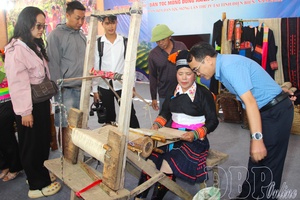
Có village in Mường Lạn commune was established through the merger of Hua Ná village, which had 137 households, and Có village, which had 123 households. Previously, the two villages were located only about 500 meters apart and shared many similarities in ethnic composition, customs, and traditions of the Thai ethnic community. As a result, the reorganization process was carried out smoothly and received broad public support.
.jpg)
Under the new structure, Quàng Văn Dy, formerly Secretary of the Hua Ná village Party Cell, has been appointed interim head of Có village. Taking on his new role, Dy recognizes that the responsibilities of leadership have become even greater.
Dy shared: “Following the reorganization, the most important task is maintaining solidarity so that residents can quickly stabilize their lives and work together to build a more prosperous village. Together with the Party cell, the Fatherland Front committee, and local mass organizations, I will regularly monitor local conditions, listen to residents' concerns and aspirations, promptly address emerging issues, and foster unity in implementing village tasks.”
To ensure the new organizational structure operates effectively, Mường Lạn commune proactively developed a personnel arrangement plan linked to the consolidation of its 32 existing villages into 21 merged villages while retaining 11 villages unchanged. Personnel selection was conducted through a thorough review process, ensuring democracy and transparency while choosing individuals with credibility, capability, and the qualifications needed for the new stage of development.
According to Nguyễn Quang Lâm, Secretary of the Mường Lạn commune Party Committee: “After the restructuring, village jurisdictions have become larger and the number of households has increased, resulting in higher requirements for Party cell secretaries and village heads. We selected officials who possess credibility, responsibility, local knowledge, and the ability to mobilize residents so that the new structure can quickly stabilize, operate effectively, and promote unity among the people.”
.png)
Reorganizing villages, hamlets, and residential groups into a more streamlined structure that aligns with population size and local conditions is an inevitable requirement under the two-tier local government model. This also requires grassroots officials to adapt quickly, innovate their working methods, and continue serving as the core force promoting solidarity within their communities.
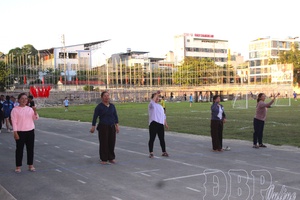
In Xa Dung commune, after the number of villages was reduced from 42 to 28, the new grassroots-level organizational structure was rapidly consolidated and put into operation. The commune has focused on directing Party cell secretaries and village heads to play a leading role in stabilizing organizational structures, closely monitoring local conditions, maintaining regular activities, and implementing socio-economic development tasks.
Nguyễn Đình Toản, Standing Deputy Secretary of the Xa Dung commune Party Committee, stated: “With larger administrative areas and a growing number of households following the reorganization, we require village officials to be more proactive in mass mobilization efforts, strengthen their engagement with local communities, and promptly understand residents’ concerns and aspirations so that any emerging issues can be addressed in a timely manner.”
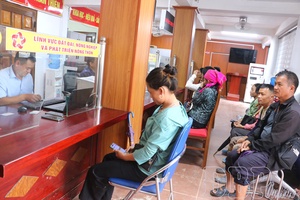
At every village, hamlet, and residential group, Party cell secretaries and village heads remain the officials closest to the people. They serve as a bridge between Party committees, local authorities, and residents. They are responsible for communicating policies, mobilizing public participation, explaining Party guidelines, and conveying residents’ concerns and aspirations to higher levels of government.
Following the restructuring, this role has become even more important, as every decision and action must secure public consensus and avoid concerns, comparisons, or divisions among communities that previously operated separately.
.png)
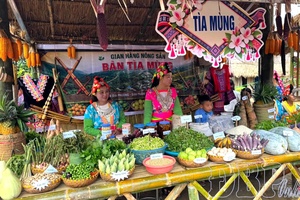
In Mường Ảng commune, where the number of villages, hamlets, and residential groups was reduced from 38 to 23, personnel consolidation was carried out with an emphasis on continuity, selecting capable and respected officials with strong local knowledge. Many Party cell secretaries, village heads, and residential group leaders have continued serving in the new organizational structure.
Doãn Đức Chính, Standing Deputy Secretary of the Mường Ảng commune Party Committee, said: “We prioritized retaining officials with proven capability, credibility, and practical experience. By continuing their responsibilities within the new structure, they can quickly adapt to their work, maintain stability at the grassroots level, and effectively serve as a bridge between Party committees, local authorities, and the people.”
As of July 1, all 888 newly reorganized villages, hamlets, and residential groups have officially commenced operations. This marks an important milestone in the process of consolidating grassroots-level organizations while opening a new chapter of responsibilities for Party cell secretaries, village heads, and residential group leaders.
The success of the restructuring policy will ultimately be measured by the effectiveness of the new organizational structure, its ability to address issues at the grassroots level, and the degree of public consensus it generates. Therefore, village and residential group officials must continue to uphold their sense of responsibility, remain closely connected to local communities, understand and serve the people, maintain their role as the nucleus of community solidarity, organize effective grassroots movements, and ensure that Party guidelines and State policies are translated into practical results.
This will also provide an important foundation for building an efficient and effective grassroots administration capable of meeting the province’s development needs in the new period.
Quang Long

.jpg)
.jpg)
.jpg)
.jpg)
.jpg)
.jpg)
.jpg)
.jpg)
.jpg)
.jpg)
You have 500/500 characters left
Please enter 5 or more characters!!!