



Through experiential activities, creative recycling, and the “green-clean-beautiful-safe” school movement, green habits are gradually taking root within the educational environment.
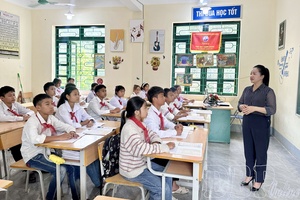
At Bế Văn Đàn Elementary School in Điện Biên Phủ ward, creating toys from scrap materials has become an engaging extracurricular experience that attracts a large number of students. Using items like cardboard, plastic bottles, and old straws under teacher guidance, students have crafted over 20 vivid products, including maze boards, ball-control games, and mini foosball tables. Notably, this toy set earned a C prize at the 2025 provincial youth creativity competition.
Teacher Đặng Thị Hương Giang, the Team Leader, explained that the idea originated from the reality of increasing plastic waste and improper disposal affecting the environment. Through recycling, the school wants students to understand that waste still holds value if repurposed creatively and reasonably. This process helps students practice teamwork and aesthetic thinking as they discuss colors, designs, and assembly methods. Student Hoàng Ngọc Anh from class 5A1 shared that making these toys is a joyful way to create useful items while learning about thriftiness, meticulousness, and the responsibility to protect nature. Beyond recycling, the school also operates a “small plan house” model to collect scrap on campus, helping students form habits of sorting and collecting waste at the source.
.jpg)
At the Thanh An Elementary and Secondary School in Thanh An commune, environmental education is implemented flexibly. In addition to integrating knowledge into core subjects, the school encourages students to use old materials for learning models, such as recycled iron lever vehicles or solar-powered automatic trash skimmers. These products showcase creativity and help students better understand the role of science and technology in solving ecological issues. Principal Bùi Tiến Phong affirmed that the school focuses on raising awareness through morning assemblies and STEM topics, giving students the chance to apply knowledge to create useful products and foster a green lifestyle.
Under the “green-clean-beautiful-safe” movement linked with the “friendly schools, active students” model, the provincial department of education and training has directed educational facilities to strengthen the dissemination of environmental regulations. Practical models like “green scrap collection houses,” waste sorting at the source, and programs to exchange plastic for school supplies or trees are now organized widely. Schools also actively respond to national clean water and environmental weeks by planting trees, cleaning canals, and beautifying school grounds.
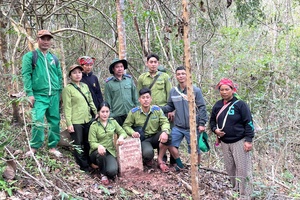
Many provincial agencies also coordinate with the education sector to organize school-based environmental activities. Most recently, in March 2026, the provincial forest protection and development fund partnered with Thanh Luông Secondary School in Thanh Nưa commune to hold a painting contest themed “joining hands to protect forests and the environment for a green future.” The contest attracted 174 entries, many of which vividly depicted green forests, wildlife, and practical actions to protect natural resources.
Trần Xuân Tâm, Deputy Director of the provincial Forest Protection and Development Fund, evaluated many works as having unique ideas and clear messages. He noted that the fund would continue to coordinate diverse environmental education activities to nurture a love for nature and enhance responsibility in the younger generation.
From these close-to-life experiences, a green lifestyle is now manifesting in the thoughts and actions of students in Điện Biên, proving the efforts of educational institutions in raising awareness for the youth.
Phương Dung
.jpg)

.jpg)
.jpg)
.jpg)
.jpg)
.png)
.jpg)
.jpg)
.jpg)
.jpg)
.jpg)

You have 500/500 characters left
Please enter 5 or more characters!!!