



Therefore, caring for child nutrition is essentially caring for the stature and quality of the population as well as the sustainable development of society. It is the ultimate “growth hack” for the next generation, ensuring they don’t just grow up, but grow strong.
.jpg)
Difficult economic conditions, high rates of poor and near-poor households, and unstable livelihoods are the direct causes affecting the meal quality of many families. In remote and distant areas, many children have not yet gained full access to a balanced diet and lack food groups rich in protein and essential micronutrients necessary for development. Statistics from the department of health show that the rate of stunting among children in the province remains high compared to the national average. Specifically, children under 5 years old account for 25.9%, while children from 5 to under 16 years old represent 26.8%. Notably, the rate of anemia among female students at some secondary schools is as high as 18.7%, which directly impacts their health, concentration, and academic performance.
To gradually improve the health status of children, every year various levels, branches, and localities in the province implement numerous solutions to enhance nutrition and raise the physical stature of children. In ethnic minority areas, health stations frequently coordinate with associations and unions to organize communications and guide parents on proper childcare skills, growth chart monitoring, and dietary advice suited to the actual conditions of each family. At the provincial level, health agencies synchronously deploy nutrition care activities by effectively mobilizing resources from the local budget and national target programs.
.jpg)
Since 2024, the total funding allocated for maternal and child nutrition care in Điện Biên province has reached tens of billions of VND. This resource is utilized to train and enhance the capacity of grassroots health workers, build and replicate community nutrition care models, support micronutrient supplementation for mothers and young children, and organize communication for behavior change while strengthening the monitoring and evaluation of program effectiveness.
Mai Hoàng Hà, Deputy Director of the Department of Health, stated that improving meal quality, ensuring food safety, and strengthening nutrition education in schools are key solutions to improve physical condition and health, creating a solid foundation for the comprehensive development of children. Therefore, caring for child nutrition must be carried out regularly and over the long term with close coordination between the health and education sectors, families, and the community.
.jpg)
Beside domestic resources, support programs from international aid such as UNICEF Vietnam, World Vision International in Vietnam, and many other development partners are contributing significantly to improving the quality of nutrition care and living conditions for children in the area. For instance, in late January 2025, the department of health and the department of education and training coordinated with World Vision International in Vietnam to organize a school nutrition event at Bua hamlet Primary Boarding School for Ethnic Minorities in Búng Lao commune with the message “Healthy Schools - Bright Future.”
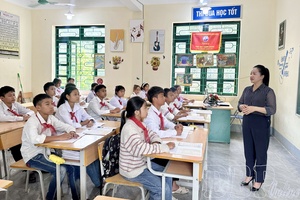
Within the framework of the program, many activities including communication and counseling on school nutrition, guidance on building reasonable school meals, and ensuring food safety and a balance of essential nutrients for primary students, especially boarding students, were implemented. Students participated in exchanges to learn about nutrition, personal hygiene, and food safety, contributing to the formation of scientific eating habits and a healthy lifestyle right from their school years. Trần Phương Thảo from the school nutrition department of the National Institute of Nutrition shared that improving school meals needs to start with standardizing guidelines to fit different regions, ages, and the actual conditions of schools, while also promoting models that use safe and sustainable local foods.
.jpg)
The nutrition care program for the first 1,000 days of life is also one of the solutions to prevent maternal and child malnutrition and improve the stature of Vietnamese people. Annually, the provincial health sector focuses on supporting pregnant women, breastfeeding mothers, and children under 24 months old, particularly in remote and ethnic minority areas. Communication efforts have been strengthened, emphasizing the importance of regular prenatal checkups, exclusive breastfeeding for the first six months, and proper complementary feeding according to each stage of development.
Responding to Micronutrient Day 2025, nearly 100% of children aged 6 to 60 months in the entire province received vitamin A supplements, and over 98% of children aged 24 to 59 months were dewormed, which contributed significantly to improving micronutrient deficiency, strengthening resistance, and enhancing the physical condition of children.
Quang Long
.jpg)

.jpg)
.jpg)
.jpg)
.png)
.jpg)
.jpg)
.jpg)
.jpg)
.jpg)
.jpg)
You have 500/500 characters left
Please enter 5 or more characters!!!