



Faced with these clear impacts, various levels of government, sectors, and residential communities throughout the province have implemented practical activities linked to environmental protection and disaster prevention, with a primary focus on proactive preparation.
.jpg)
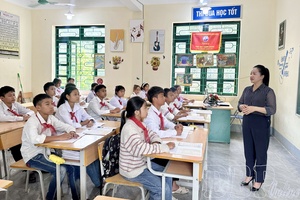
In Tuần Giáo commune, environmental protection has become a regular activity that attracts the voluntary participation of officials, party members, and a vast number of residents. Under the leadership of the party committee and local government, alongside the coordination of mass organizations, numerous activities are maintained such as cleaning the environment, dredging canals, collecting waste, clearing brush, and beautifying village lanes and alleys. Consequently, the sense of responsibility for each individual regarding environmental protection and building a civilized lifestyle has been elevated. Many roads and residential areas are kept clean and airy, limiting indiscriminate littering and creating a tidy rural landscape.
Quàng Văn Cương, Chairman of the Tuần Giáo commune People’s Committee, shared that the community recognizes environmental protection as a key factor in building new-style rural areas. Every week or periodically every month, depending on the conditions and time of each official, individual, or household, those who can arrange it participate actively, while those busy with work take the initiative to maintain the cleanliness of their immediate surroundings.
.jpg)
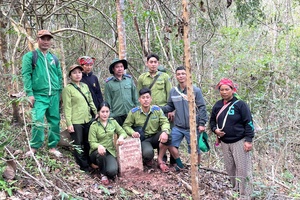
Caring for and protecting forest areas is a fundamental solution for adapting to climate change. In Tả Ló San village, Sín Thầu commune, the forest is likened to the source of life: where there is forest, there is water, land for production, and a stable life. From this awareness, every patch of forest in Tả Ló San is strictly preserved by the community, becoming a shared responsibility for every household.
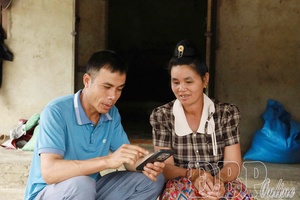
Lỳ Khò Chừ, a resident of Tả Ló San, noted that with nearly 3,000 hectares of strictly preserved forest, the community receives a significant annual income through forest environmental service payment policies. This financial benefit encourages the people to be more attached and responsible in protecting and developing the forest sustainably.
.jpg)
Given the mountainous nature of the province, where most residents rely on agriculture, the negative impacts of climate change directly affect livelihoods. Recognizing this, the province has proactively integrated climate change adaptation into rural development and agricultural production programs, specifically the OCOP (One Commune, One Product) program. Previously, the packaging of food and beverages, particularly alcoholic drinks like rice wine, in plastic boxes or bottles was not linked to food safety or environmental protection, leading to limited market reach and a lack of sustainability.
To develop sustainable and eco-friendly OCOP products, the Department of Agriculture and Environment has requested that OCOP subjects, especially those in the food and beverage categories, proactively switch their packaging from plastic to ceramic, glass, or other environmentally friendly materials. Sectors and localities are strengthening propaganda to encourage businesses and cooperatives to gradually replace plastic packaging. OCOP subjects are required to develop transformation plans and cost estimates to be submitted to the Commune People’s Committee for support according to regulations.
.jpg)
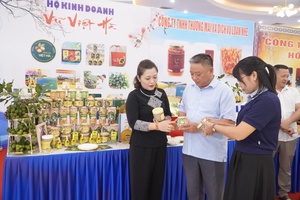
Bùi Thị Việt Hà, owner of Hà Chung Coffee, currently produces Hà Chung Salted Arabica Coffee in plastic bottles. She shared that while plastic reduces costs and is convenient for packing, it is a disadvantage at fairs due to poor aesthetics and low competitiveness. Therefore, her facility aims to switch to ceramic bottles to enhance quality, value, and brand image, while also seeking support in capital and technology to meet domestic and international market demands.
To minimize environmental pollution, various levels and sectors within the province are stepping up the promotion of State policies alongside movements for building a green lifestyle. This includes guiding union members and the public to respond to programs such as “All People Participate in Environmental Protection and Climate Change Adaptation,” “Against Plastic Waste,” and the campaign “All People Unite to Build New-style Rural Areas and Civilized Cities” through specific, practical actions. These efforts contribute to raising the self-awareness and responsibility of the community in preserving the environment and improving the quality of life.
Quang Long
.jpg)

.jpg)
.jpg)
.jpg)
.jpg)
.png)
.jpg)
.jpg)
.jpg)
.jpg)
.jpg)
You have 500/500 characters left
Please enter 5 or more characters!!!