



To progressively roll back this reality, alongside perfecting mechanisms, policies, and administrative oversight, the province determines that communication and education serve as crucial solutions to reshape awareness, traditional customs, and behaviors starting from each family and village.
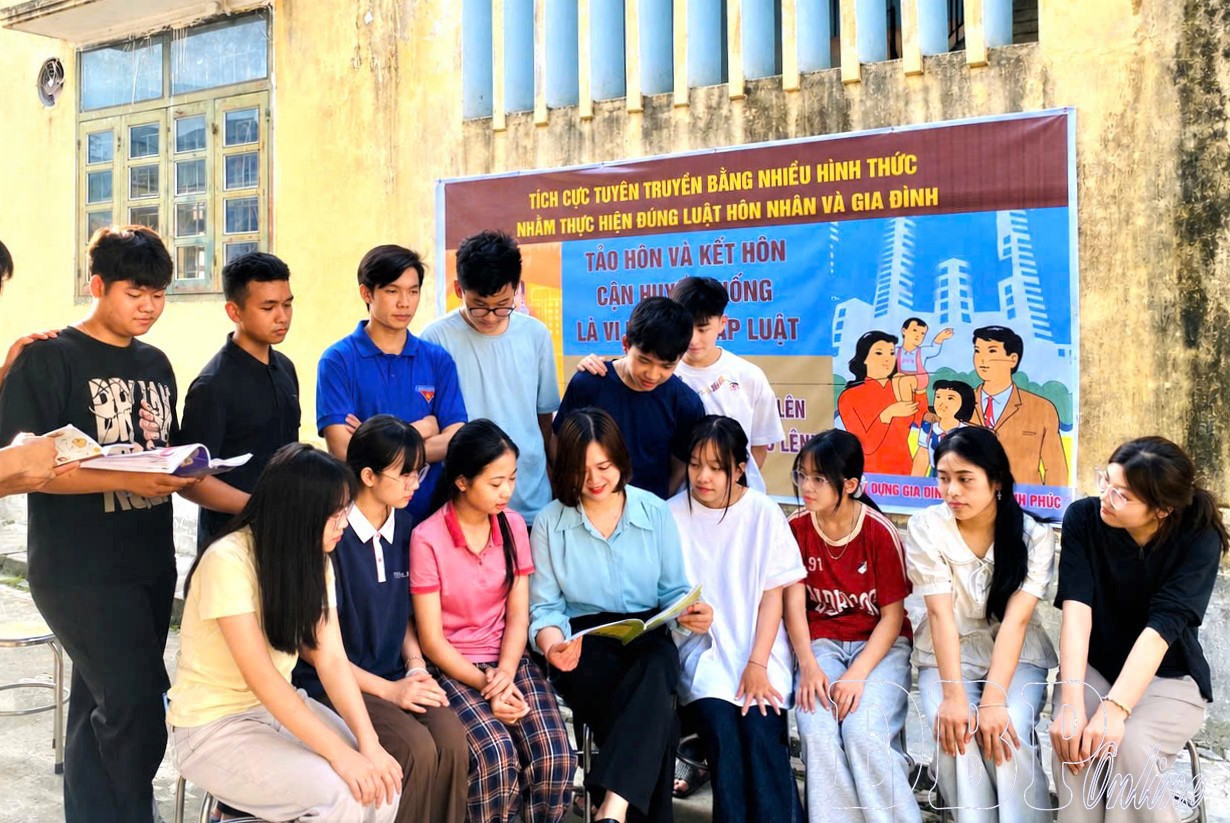
According to statistics, from 2015 to 2025, Điện Biên province recorded 41,826 married couples, among which 6,176 were child marriages, accounting for 14.77% of total unions. Consanguineous marriages stood at 51 couples, representing 0.12%.
The root causes of child marriage and consanguineous marriage stem from multiple factors, such as traditions, ingrained customs, concepts favoring early marriage, impoverished economic backgrounds, and adolescent school dropouts. The consequences involve not merely statutory legal violations, but cost young people schooling and employment opportunities, impairing physical and mental health as well as future prospects; consanguineous marriage further harbors severe health hazards for succeeding generations.
Confronting this reality, the Standing Board of the provincial Party Committee issued Resolution No.27-NQ/TU on May 8, 2026, on preventing and combating child marriage and consanguineous marriage across ethnic minority areas in the province for the 2026-2030 period. In this document, communication, mobilization, and education are identified as foundational tasks to generate breakthroughs in awareness and action.
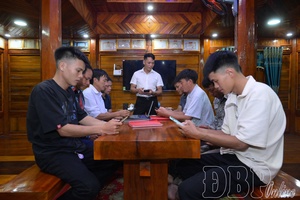
Over recent times, the Department of Ethnic Minorities and Religions has coordinated with the Department of Justice and relevant agencies and units to organize outreach for diverse target audiences - ranging from grassroots cadres, clan heads, village elders, village chiefs, and reputable community figures to parents, youths, and adolescents. Specialized thematic materials were compiled and distributed to the grassroots; numerous communication clubs for preventing and combating child marriage and consanguineous marriage were established, bringing legal knowledge closer to the people.
Notably, the province is deploying multiple communication clubs alongside pilot models such as “Clans Free of Child Marriage,” “Villages Free of Child Marriage,” and “Communes and Wards Free of Child Marriage and Consanguineous Marriage.” These models are step-by-step transferring prevention efforts from formal conferences directly into individual hamlets and homes.
Phình Giàng is a highland commune populated predominantly by the Hmông ethnic group. Over recent years, the commune has focused on outreach and mobilization, staying intimately close to each village and household to repel child marriage and consanguineous unions. Thanks to synchronized solutions, over the first six months of 2026, the entire commune recorded 11 cases of child marriage out of 42 marrying individuals, a drop of 17 cases compared to the same period in 2025.
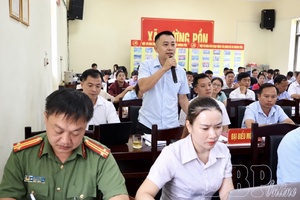
Chá A Sình, Head of the Culture and Social Affairs Division of Phình Giàng commune, stated: “The commune coordinates with the health station and population collaborators to conduct face-to-face communication in villages, focusing on families with adolescent children and students; concurrently, we mobilize households to sign commitments against allowing their children to enter child marriages.”
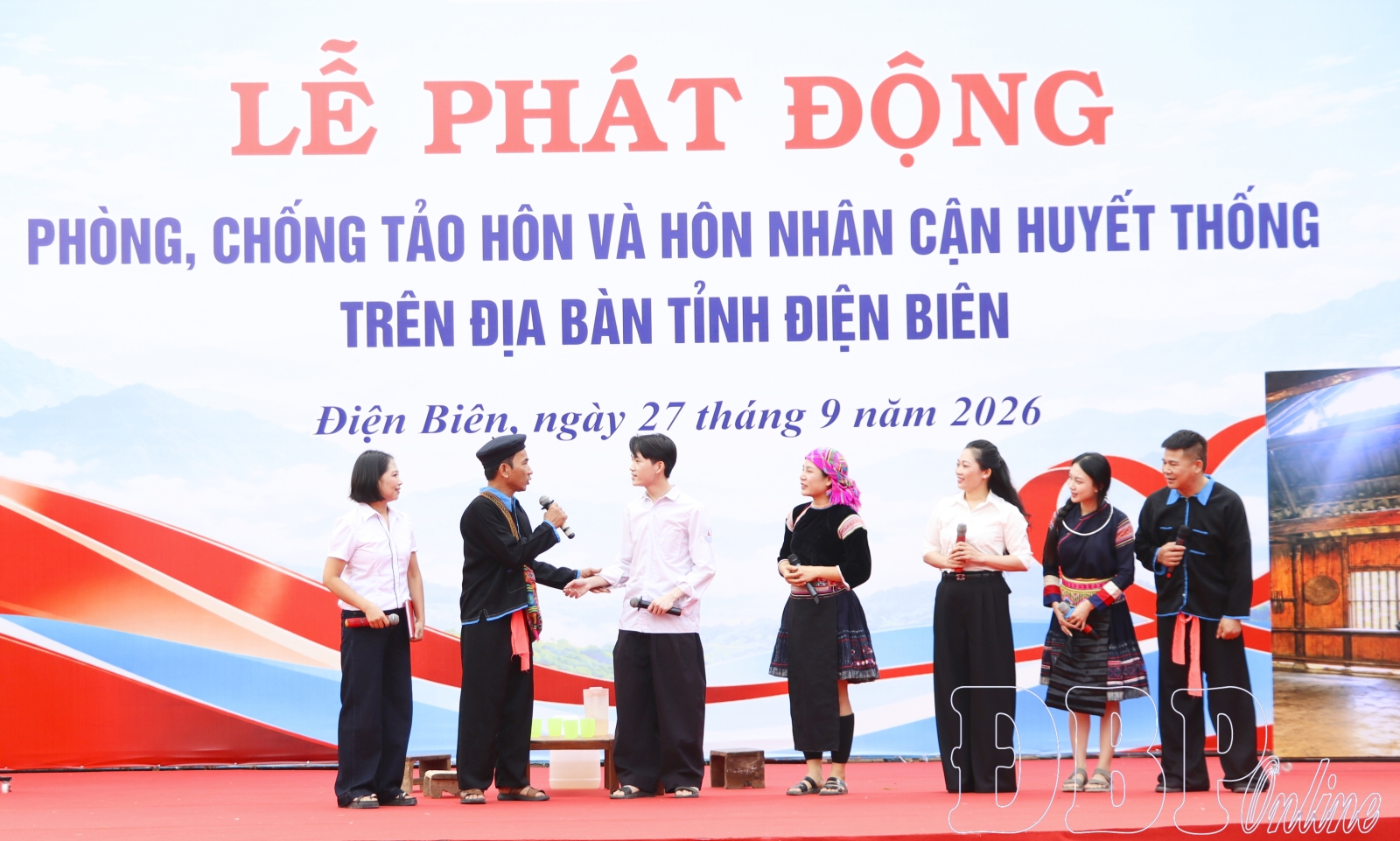
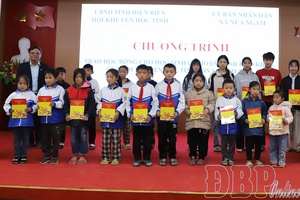
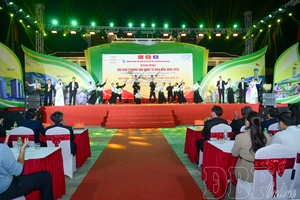
Recently, the launching ceremony for the campaign to prevent and combat child marriage and consanguineous marriage organized by the provincial People’s Committee served as one of the concrete steps realizing Resolution No.27-NQ/TU. Beyond generating broad communication impacts, the event demonstrated determination to mobilize the involvement of the entire political system and society in resolving the issue.
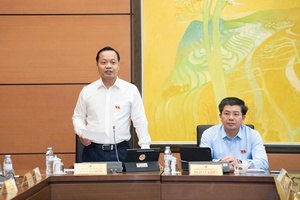
Addressing the launching ceremony, Vice Chairman of the provincial People’s Committee Nguyễn Minh Phú requested departments, sectors, and local authorities to define preventing and combating child marriage and consanguineous marriage as a regular mission. Crucially, they must continue stepping up communication and outreach; leveraging the roles of reputable figures, village elders, village chiefs, Party cell secretaries, and socio-political organizations in changing mindsets and gradually eradicating outmoded customs. Concurrently, grassroots administrations must proactively grasp on-the-ground developments, particularly in high-risk zones; promptly detecting, intervening in, and preventing suspected cases of child or consanguineous marriage under the motto of proactive prevention from early on, from afar, and from the grassroots.
A prominent emphasis is placed on intensifying education for the younger generation. The Education and Training sector is accelerating civic education, legal awareness, life skills, and adolescent gender and reproductive health knowledge for pupils; while coordinating with families and local authorities to counsel and assist students at risk of dropping out and marrying early.
Lò Ngọc Diệp, an 11th-grade student in class 11B1 at the Điện Biên provincial Ethnic Boarding High School, shared: “Attending the launching ceremony, I realized clearly the consequences of child marriage and consanguineous marriage, which severely hinder opportunities for ethnic minority youths in Điện Biên. Following this event, I will spread wide awareness among friends and relatives to prevent and combat child marriage and consanguineous marriage.”
Chang Thị Dung, from Tủa Chùa commune, noted: “Through communication activities, I received broader knowledge regarding the causes and harms of child marriage and consanguineous marriage, spanning impacts on health, psychology, education, and our long-term future. I wish to share these insights with friends, relatives, and neighbors so we can jointly eradicate this issue within our community.”
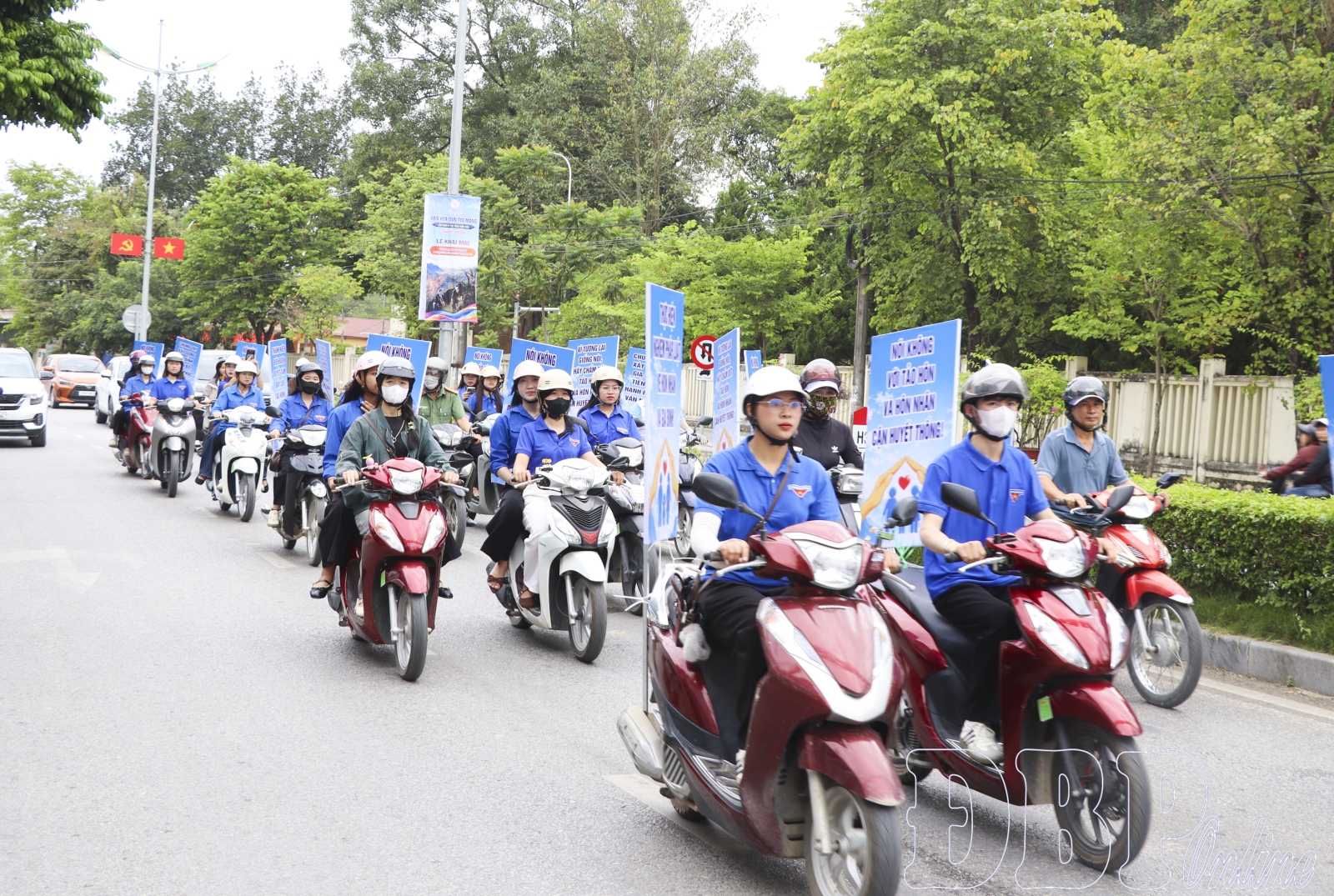
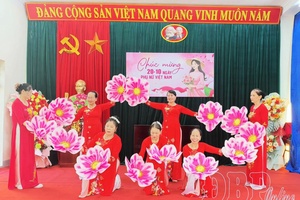
The Youth Union constitutes one of the core forces in communications repelling child marriage and consanguineous marriage. Union chapters at all levels are renovating communication formats through youth branch meetings, forums, symposiums, theatrical skits, extracurricular activities, and digital platforms. Short videos, infographics, and youth-friendly media products help prevention messages reach the right audiences in proper, more effective ways. Alongside communication, preventing child marriage is tied to formal schooling, career guidance, vocational training, start-ups, career building, and socio-economic advancement. When young people possess learning opportunities, occupations, stable jobs, and future aspirations, they gain positive choices rather than rushing prematurely into marriage.
Repelling child marriage and consanguineous marriage represents an enduring process requiring the joint commitment of families, schools, authorities, and communities. As awareness is elevated and outmoded traditions are progressively phased out, young generations will secure broader pathways to study, establish careers, and determine their own futures.
Nhật Phương
You have 500/500 characters left
Please enter 5 or more characters!!!