



From a rich ecosystem with overlapping mountains, primeval forests, rivers, streams, and caves; to villages rich in traditional cultural identity and the special national historical relic system of the Điện Biên Phủ Battlefield, all are being connected in a development vision. Taking linkage as the consistent axis, Điện Biên proactively opens the door for cooperation and integration, forming specific products, effectively exploiting available potential, aiming for sustainable tourism development.
In 2025, the picture of Điện Biên tourism continued with bright colors. The whole province welcomed 1.454 million visitor arrivals, reaching 100% of the plan, including 13,331 international visitor arrivals. Total revenue from tourism reached VND 2,645 billion, exceeding 110% of the plan. The tourism service system in the province is being step-by-step perfected. Currently, the whole province has 251 accommodation establishments, with 3,306 rooms and 6,443 beds; including 39 hotels, 152 guesthouses, 18 guest houses, and 42 homestays. The accommodation network is increasingly diverse, meeting the needs of tourists; from short-term visitors to those who want to stay longer to experience local life.
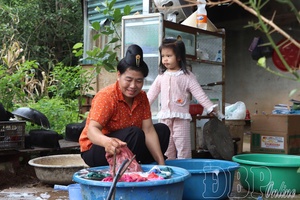
Tourism development activities open up livelihoods for people. Currently, the whole province has 15,700 workers active in the tourism sector; of which, 6,700 are direct workers, creating stable jobs for thousands of families, especially in rural and ethnic minority areas. At homestays, culinary services and experiential tourism are step-by-step linked with people’s lives, becoming a part of the community economy. From development reality, Điện Biên is gradually shifting to “doing tourism with orientation and strategy.” And the key to that strategy is intra-provincial linkage, regional linkage, and expanding national and international linkages.
.jpg)
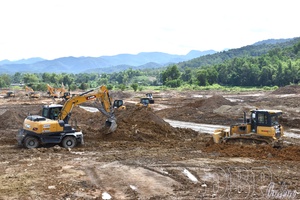
In December 2025, the provincial Party Committee established the Steering Board for Tourism Development, playing the role of “conductor,” connecting departments, sectors, localities, and the business community, to create unity in thinking and action. The province identified 4 key tourism projects as the driving force for the coming period, including: Mường Phăng Cable Car and Urban - Service Area; Hua Pe Hot Mineral Resort at Thanh Nưa commune (implementation period 2025 - 2026); Northwest Urban, Resort, and Sports Area (implementation period 2026 - 2030); and Huổi Phạ Urban, Tourism, Sports Area and vicinity (implementation period 2026 - 2027).
These projects are expected to create a chain of new, attractive tourism products, extend the length of stay, increase tourist spending, and spread benefits to the local community.
Trần Hải Hà, Acting Director of the Department of Culture, Sports and Tourism, said: “The Department advises on issuing and implementing the Resolution of the Executive Board of the provincial Party Committee on tourism development for the 2026 - 2030 period, with orientation to 2035; policies supporting tourism development; the scheme on community tourism development; the program on rural tourism development associated with new rural construction along with contents of the national target program on socio-economic development in ethnic minority and mountainous areas. These policies create an important legal corridor, laying the foundation for a sustainable way of doing tourism, preserving cultural identity, and taking people as the center.”
Regional linkage is considered the “horizontal axis” helping Điện Biên tourism expand development space. Since 2008, the tourism cooperation program of Northwest provinces has laid the foundation for inter-regional tourism thinking, effectively exploiting the potential and advantages of each locality. Over time, that linkage has gone deeper, step-by-step forming a chain of tourism products bearing the common brand of the region.
Products such as: “Northwest Community Tourism,” “Journey to discover the heritage terraced rice fields,” “Conquering heights,” “Northwest Flowers” or spiritual tourism along the Đà River... have become the foundation for travel businesses to build tours and routes throughout the provinces. In that flow, Điện Biên holds the role of a highlight with the special national historical relic system and the Ban Flower Festival. From common products, inter-provincial tourism routes are formed such as: Mộc Châu - Điện Biên Phủ - Sa Pa and vice versa, helping to extend the journey, increase experience, and share benefits between localities.
Not stopping at the Northwest region, Điện Biên proactively expands cooperation with Hanoi, Hồ Chí Minh City, Hải Phòng, Quảng Ninh, and provinces of Northern Laos, Northern Thailand, and Yunnan (China); step-by-step bringing the image of Điện Biên to a larger tourism space.
Phạm Văn Thăng, Head of Tourism Operations Division, Department of Culture, Sports and Tourism, said: “Thanks to linkage and tourism promotion activities, in 2025, tourism promotion work was promoted with many domestic and foreign programs. 11,100 publications serving tourism promotion were issued; 135 dissemination sessions on LED screens at the Ceremonial Yard of the Điện Biên Phủ Victory Monument; nearly 100,000 visitors were consulted and supported with information”.
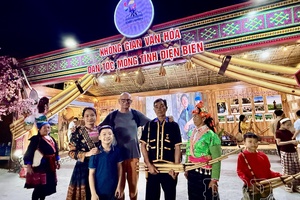
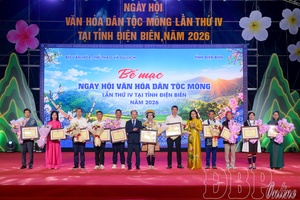
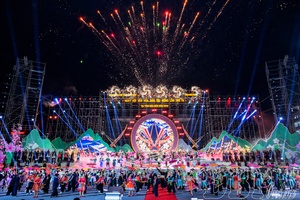
Entering 2026, Điện Biên continues to reduce seasonality, creating a stable flow of visitors year-round through a chain of festivals and events spread out over time. From the opening of Mường Thanh Night Market, Ban Flower Festival, national sports tournaments, Tiền Phong Marathon - Điện Biên Phủ, National Hmông Ethnic Cultural Festival to experiential and adventure tourism activities... It is expected that in 2026, the number of visitors will increase by 145,400, tourism revenue will increase by about VND 234.68 billion compared to 2024, contributing VND 80 - 95 billion of added value to the service sector, becoming an important resource for GRDP growth... aiming for the goal of sustainable development of Điện Biên tourism.
Mai Phương
.jpg)
.jpg)
.jpg)
.jpg)
.jpg)
.jpg)
.jpg)
.jpg)
You have 500/500 characters left
Please enter 5 or more characters!!!