



They are safeguarding traditional cultural values and gradually transforming them into distinctive tourism products, establishing sustainable livelihoods while sharing the local beauty with travelers from near and far.
From living spaces to cultural destinations
Meticulously stoking the hearth and preparing dishes from river fish and wild greens, Quàng Thị Hoa, a Dao woman in Tủa Thàng, stays busy cooking for her guests. Located near Pa Phông Bridge, her homestay stands out with its characteristic stone-roofed house, nestled between the mountains and the water. Building a homestay capable of hosting guests was a journey she carefully nurtured, starting with the simple desire to preserve her family home and Dao culture..jpg)
Having grown up by the Sơn La hydropower reservoir, her family’s life once relied primarily on upland farming and fishing. Recognizing the need for a new direction, she realized that the natural landscape and the unique cultural identity of the Dao people were her most valuable assets. Without significant capital or prior experience in tourism, she renovated her home, learned how to welcome guests, and added necessary amenities. She focuses on creating an experience deeply rooted in the local soul; from rustic meals to stories about Dao customs and beliefs, everything is shared directly so that visitors do not just “come to see” but actually “live with” the indigenous people. Thanks to her flexible approach and innovative mindset, Pa Phông Homestay has become a familiar stop that can accommodate around 50 guests during peak periods, providing a stable income for her family.
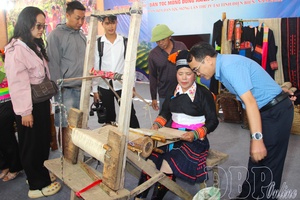
In Mường Lay, the traditional stilt houses of the White Thai people are also being “awakened” into attractive homestays. These homes maintain their classic architecture with wooden floors and spacious roofs, but they have been tidied and refined to offer a blend of familiarity and comfort. Leading this transformation is Lù Thị Toản, the Director of the Quan Chiêng Community Tourism Cooperative. Recognizing that the local tourism potential was vast but lacked professional exploitation, she mobilized households to participate and personally guided them in organizing their spaces and improving hospitality skills. To create a unique tourism brand, she encourages residents to restore brocade weaving and maintain community arts like the Xòe dance and gong playing. By actively promoting Mường Lay through social media and partnering with travel agencies, she has helped increase the flow of visitors and boost household incomes.
Transforming heritage into sustainable livelihoods
In Huổi Lèng village within Mường Tùng commune, the stilt house of Lò Sử Hóa, a Xạ Phang woman, serves as both a family living space and a sanctuary for traditional embroidered shoemaking. For over 20 years, she has manually crafted hundreds of pairs of shoes. Even when market demand dropped and many in the village abandoned the craft, she persisted, improving her designs while preserving every traditional pattern. Realizing that cultural heritage could be the key to tourism, she boldly borrowed VND 100 million to build the Sần Sú Tề homestay. This space acts as both lodging and a showroom for Xạ Phang embroidered shoes, where guests can watch the shoemaking process firsthand. This fusion has turned a craft into a unique cultural experience for every visitor to Huổi Lèng.
“Since I started doing tourism, guests have come more regularly, including international visitors from China and beyond. Many see the beautiful products and buy them right at my home, which has significantly improved our family income and opened a new development path from our own cultural heritage,” Lò Sử Hóa shared.
These stories are representative of many other highland women who are determined to develop tourism based on local potential. Pờ Diệu Ninh, President of the Provincial Women’s Union, noted that women who were once tied solely to the fields have transformed themselves to build tourism models on the foundation of their ethnic culture. This entrepreneurial journey of minority women has helped “awaken” the potential for community tourism in the highlands.
More importantly, it is an inspiring tale of the resilience and aspirations of Điện Biên women as they enrich themselves on their own land. From their skillful hands and familiar homes, they are turning ethnic identity into an economic resource, with each woman serving as a “cultural ambassador” bringing their homeland closer to friends both at home and abroad.
Minh Thảo
.jpg)
.jpg)
.jpg)
.jpg)
.jpg)
.jpg)

.jpg)
.jpg)
You have 500/500 characters left
Please enter 5 or more characters!!!