


The school’s recognition of achieving national standards at the end of 2024 is an important milestone, acknowledging the relentless efforts in the “Teach well - Learn well” emulation movement of the school’s pedagogical collective.
Established and officially operational since 2021 after splitting from Chiềng Sinh Secondary School (old Tuần Giáo district), in the early days, Chiềng Đông Secondary School faced many difficulties and challenges. The teaching staff was insufficient, with a ratio of only 1.67 teachers/class, and the subject structure was uneven. Furthermore, two villages, Hua Chăn and Hua Nạ, are more than 10km away from the center, and most households are poor or near-poor. Meanwhile, the school did not have enough housing for boarding students, making their attendance easily interrupted.
In such circumstances, the classrooms of Chiềng Đông Secondary School still lit up regularly every day. Young teachers brought with them a love for the profession, accepting being away from their families to stick with the difficult region. On late afternoons, the schoolyard still echoed with the sounds of lectures and conversations between teachers and students to encourage them to try hard in their studies and not give up on literacy due to circumstances.
Principal Nguyễn Trường Lâm confided: “Right from the early days, we determined that to improve the quality of education, we first had to keep students at school, creating for them a safe, friendly, and disciplined learning environment. There are many difficulties, but the pedagogical collective always unifies the view: Do not let circumstances hinder teaching and learning.”
Hardship did not deter those who chose to stick with the highland school. Maintaining enrollment numbers and keeping teaching and learning routines were identified by the school as continuous tasks. In class, teaching methods were innovated in a direction suitable for highland students; outside of class hours, professional meetings were maintained regularly, creating conditions for teachers to exchange experiences and timely resolve difficulties in the teaching process.
Parallel to stabilizing the organization, the school focused on improving the quality of the staff. Teachers self-studied, self-improved, and participated in exams for excellent teachers, considering it an opportunity to refine their craft. From a shortage of forces, the teaching staff of Chiềng Đông Secondary School was step-by-step consolidated, meeting the requirements of teaching and comprehensive education for students.
“The ‘Teach well - Learn well’ emulation movement is deployed by the school associated with specific tasks, suitable to actual conditions. The focus is on improving the quality of mass education, paying attention to fostering gifted students, and timely supporting those with limited academic performance. Each teacher determines their role in supporting students, especially those in difficult circumstances,” Lâm shared.
The efforts of the school’s pedagogical collective gradually bore “sweet fruit.” The school’s students began participating in exams and contests from the district to the provincial level and achieved encouraging results. Some students stepped out of their villages for the first time to take exams for excellent students; some teachers were named for the first time in higher-level professional playgrounds. Each award and each achievement is a motivation for teachers and students to continue trying.
With the quality of education step-by-step affirmed, Chiềng Đông Secondary School was determined to set a higher goal: Building a school that meets educational quality accreditation and national standards. For a school in a difficult region, this is not an easy goal. Every criterion regarding facilities, staff, and education quality requires effort and the joining of hands from many sides.
During the peak days of building a standard school, the familiar image was teachers and students working together to renovate the school campus. Some hoed the soil to plant flowers, some cleaned up, and others repainted classrooms. Regardless of time, rain or shine, all shared a common will to make the school more spacious, cleaner, and more beautiful. Besides that, the School Board actively advised and sought the attention of all levels, sectors, and the support of students’ parents. Resources were mobilized to step-by-step perfect facilities and supplement teaching equipment.
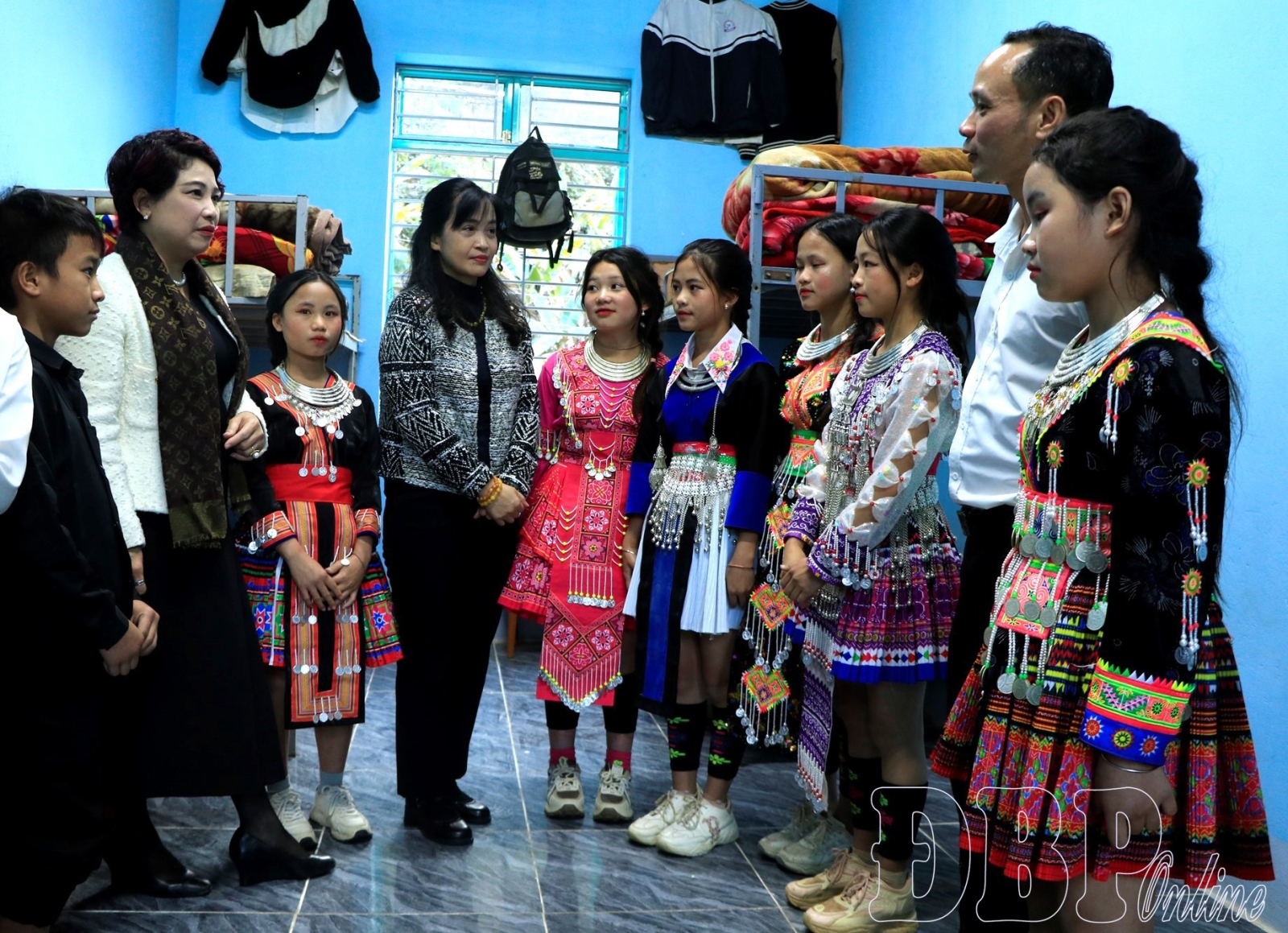
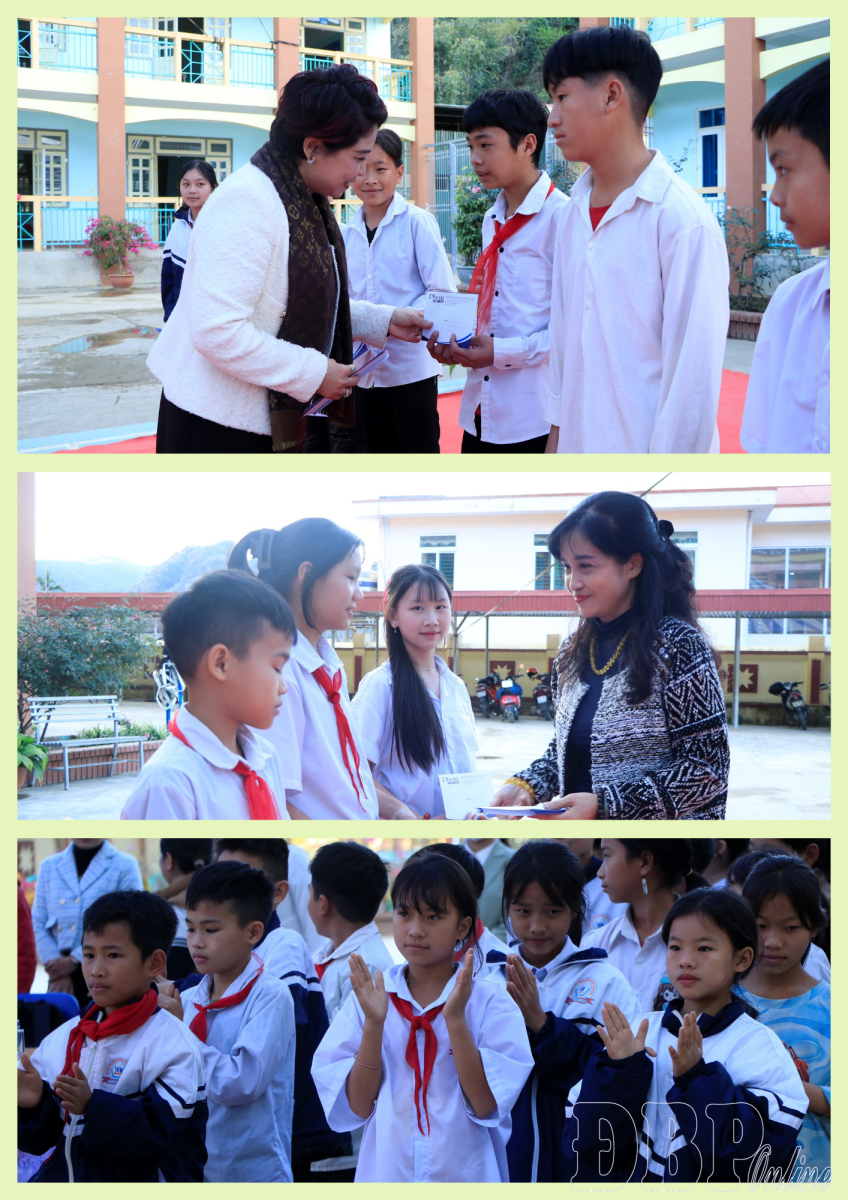
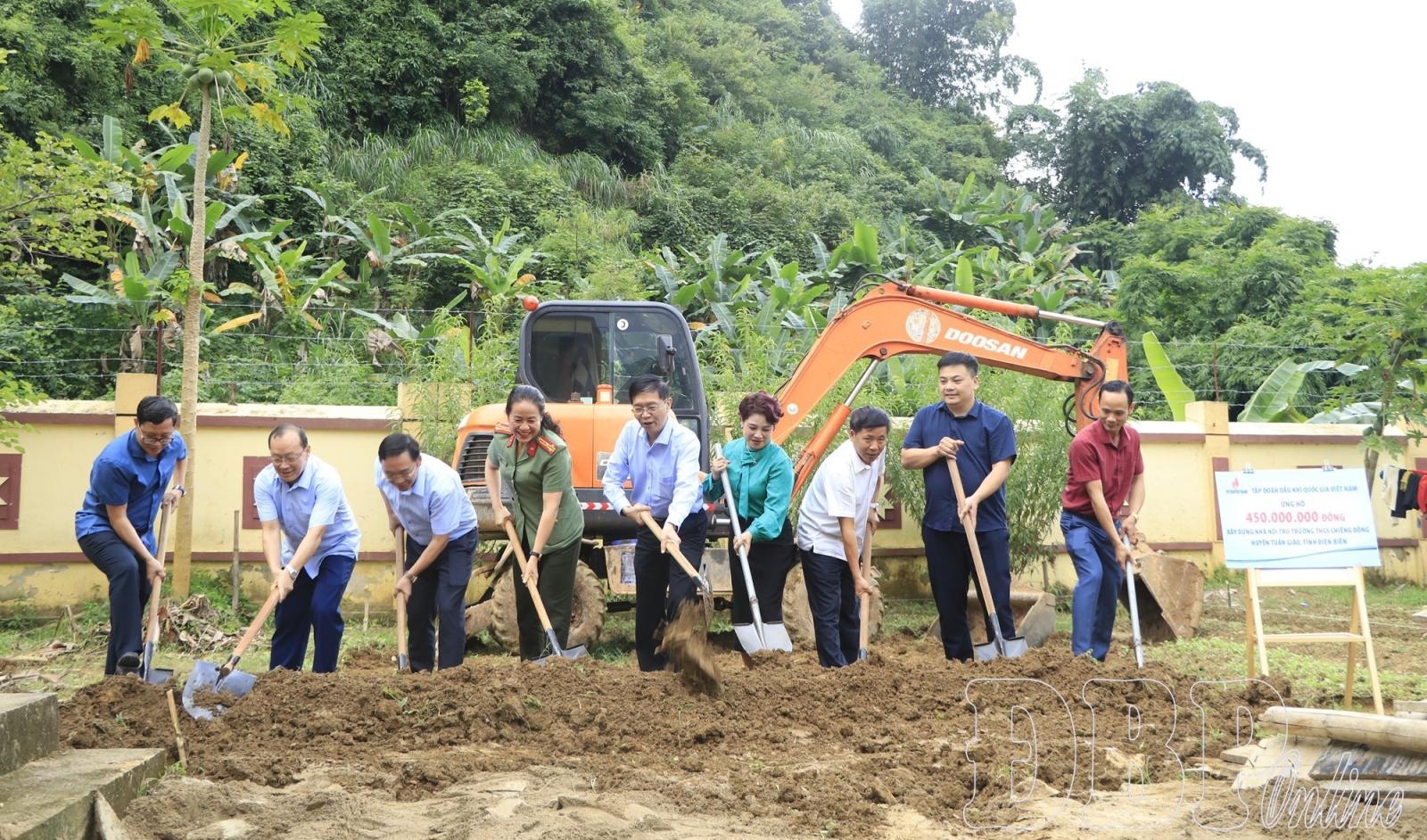
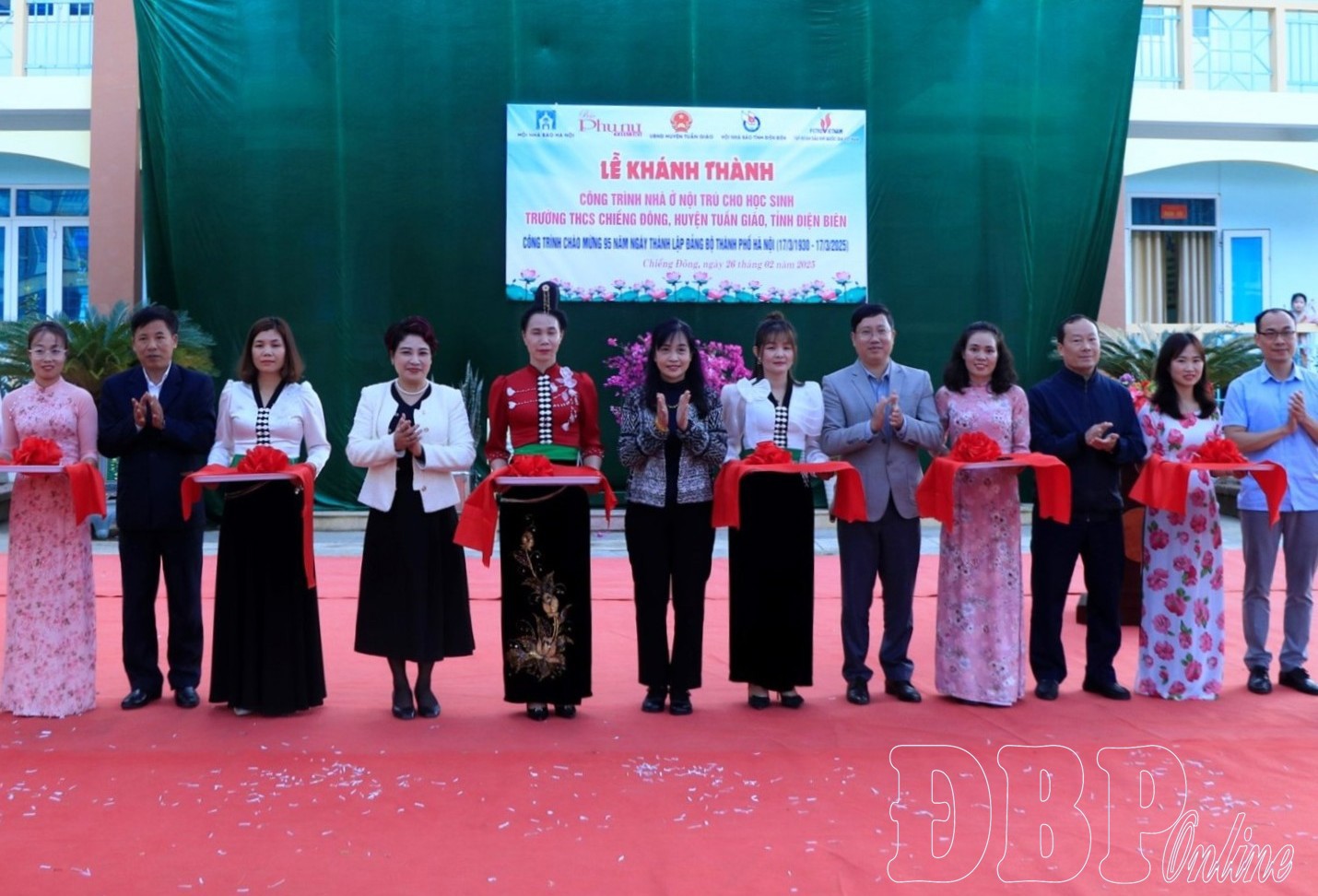
According to Lâm, Chiềng Đông Secondary School currently has 9 classrooms, 6 subject rooms, and a system of working rooms meeting teaching and management requirements. However, the living conditions for boarding students are still lacking compared to actual needs. Facing that reality, in 2024, Capital Women’s Newspaper coordinated with Vietnam Oil and Gas Group (Petrovietnam) to support the construction of a Boarding House for students with an area of 80m2, a scale of 4 rooms, and a playground, with a total funding of VND 450 million. The work was completed and put into use in early 2025, bringing joy and peace of mind to students as well as school teachers.
After more than 5 years of persistent effort, Chiềng Đông Secondary School has gradually “changed its flesh and skin.” The school campus is green, clean, and beautiful; classrooms are spacious; the teaching staff meets standards; teaching and learning routines have stabilized. Both mass and spearhead education quality have seen positive changes, which is also reflected in the number of excellent teachers and excellent students increasing over the years. The school currently has 1 teacher achieving the title of provincial-level excellent teacher; 23 turns of district-level excellent teachers; and 85 turns of school-level excellent teachers. Students won 5 provincial awards and 44 district awards in exams for excellent students; 24 district-level awards in the 3-cultural-subject exchange; 1 provincial science and technology award; and 2 national awards at the contest “Traffic safety for tomorrow’s smiles.”
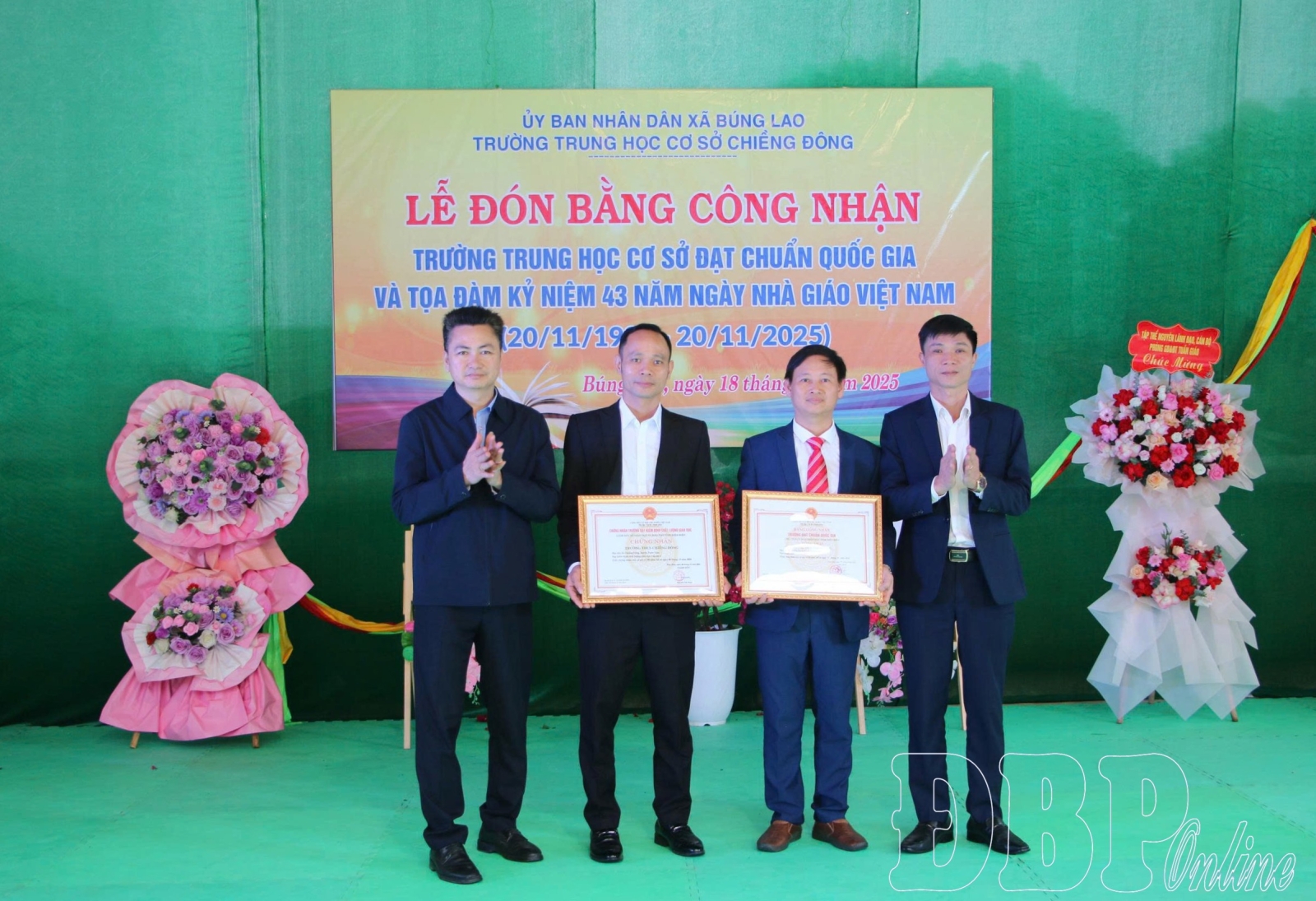
Those efforts and achievements were acknowledged when at the end of 2024, Chiềng Đông Secondary School was recognized as meeting national standards. For the school collective, it is a recognition of the journey of overcoming difficulties after diligent class sessions, days of labor regardless of hardship, and the silent dedication of an entire collective. And now, Chiềng Đông Secondary School continues to perform the mission of a new journey to maintain the people’s trust in the career of cultivating people in the difficult region.
Quang Long










You have 500/500 characters left
Please enter 5 or more characters!!!