



Facing that reality, levels and sectors have strengthened and deployed synchronous support and timely intervention solutions to ensure the right to care, protection, and comprehensive development for children, especially in deep-lying, remote, and ethnic minority areas.
In recent years, child care and protection work in the province has been deployed synchronously, with the Health sector playing the core role in advising and coordinating. To date, 100% of communes and wards have established inter-sectoral steering boards on children, issuing plans to implement child work and the Action Month for Children. Social security policies and child protection activities are organized according to three levels: Prevention, support, and intervention, focusing on handling cases of children in special circumstances and high-risk children.
In the field of health care, the network of commune and ward health stations is the frontline in managing maternal and child health, deploying vaccination, malnutrition prevention, and primary medical examination and treatment. In 2025, 100% of children under 6 years old were granted health insurance cards and received free medical examination and treatment according to regulations. The rate of children under 1 year old fully vaccinated with 8 types of vaccines reached 95.5%; children under 5 years old fully vaccinated with 12 types of vaccines reached 95.8%. Along with health care, support and intervention work for children in special circumstances is deployed promptly and in diverse forms.
.jpg)
The provincial Child Sponsorship Fund actively mobilizes social resources, coordinating with medical facilities to organize screening examinations and free surgeries for children with disabilities; supporting travel and accommodation costs for poor children during medical treatment; and timely transferring cases of serious illnesses. In 2025, 592 children with disabilities were screened, of which 247 children received free surgery, thereby improving health and enhancing opportunities for community integration.
Child protection work at the grassroots level continues to be strengthened, especially in handling cases of abuse and violence. Communes and wards maintain the operation of permanent child protection groups, actively detecting, setting up management records, and organizing timely support and intervention. In 2025, the whole province recorded 38 cases of children being abused, molested, or exploited; 100% of cases upon detection were intervened, supported, and handled according to legal regulations, ensuring the legitimate rights and interests of children. At the same time, 99.42% of children under 5 years old were registered for birth certificates, contributing to ensuring personal rights for children right from the start of life.
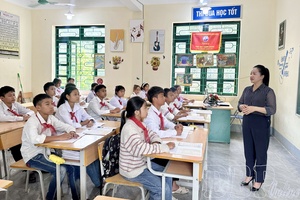
At educational institutions, child care and support work is deployed in association with building a safe and friendly school environment. The whole province currently has 430 educational institutions with children attending; 100% of schools have medical rooms and student health tracking books; 96% of schools have school psychological support services. Boarding schools pay special attention to meals and accommodation for highland students, building rations suitable for physical condition and actual conditions, contributing to preventing malnutrition.
Child care at families and communities is promoted through communication activities, guiding parents and caregivers on safe parenting, positive discipline, and domestic violence prevention. Content on drowning prevention, child abuse, and child protection in the cyber environment is regularly propagated through the grassroots level radio system; the Child Protection Hotline 111 is widely introduced, creating a quick access channel for children and people when needing support.
Nguyễn Châu Sơn, Head of the Population - Children Division (Department of Health), said: “With the specific characteristics of a mountainous area, child care and protection work is only truly effective when deployed from the grassroots level. Commune health stations, schools, mass organizations, and local authorities are the forces closest to the people and children, playing a decisive role in early detection, support, and timely intervention for cases of children facing difficulties.”
Besides the achieved results, child care and protection work at the grassroots level still faces many difficulties. The staff doing child work are mainly part-time; facilities for children’s play and entertainment are still lacking, with only 36/45 communes and wards having spots for children’s play and cultural activities. Some risks such as injuries, child marriage, and child abuse still lie dormant, requiring the drastic and persistent involvement of the entire political system and the whole society.
In the context that there are still many children at risk of falling into special circumstances, child care and protection at the grassroots level continues to be a regular task. When support policies and intervention measures are deployed promptly and realistically, children, especially in difficult areas and ethnic minority areas, will have conditions to be safely protected, fully cared for, and comprehensively developed.
Thùy Trang
.jpg)

.jpg)
.jpg)
.jpg)
.png)
.jpg)
.jpg)
.jpg)
.jpg)
.jpg)
.jpg)
You have 500/500 characters left
Please enter 5 or more characters!!!