



With flexible delivery tailored to real-world conditions, many schools have moved the local education subject beyond the confines of textbooks, linking lessons to hands-on experiences and thereby enhancing the effectiveness of holistic education.
Instead of learning solely from books, students now have greater opportunities to connect with local history, culture and social life through field trips, extracurricular activities and experiential learning at historical sites, museums and community-based cultural tourism villages. This approach makes lessons more vivid and memorable, while inspiring pride and a commitment to preserving the homeland’s traditional values.
Travelling more than 20 kilometers, Tân Bình Secondary School organized a study trip for students to the headquarters of the Điện Biên Phủ Campaign in Mường Phăng. In the tranquil yet solemn setting of the historical site, students listened attentively as guides recounted heroic stories associated with General Võ Nguyên Giáp and the Điện Biên Phủ Victory, famously described as one that “resounded across the five continents and shook the globe.”
Đàm Minh Anh, a grade 7B6 student at Tân Bình Secondary School, shared that visiting historical sites and hearing real-life stories, previously known only from textbooks, was deeply moving and instilled a strong sense of pride. “Through this trip, we better understand the history of our homeland and truly appreciate the immense sacrifices made by previous generations,” she said.
.jpg)
According to teacher Đào Xuân Quỳnh of Tân Bình Secondary School, combining classroom instruction with experiential activities at historical sites and museums helps students absorb knowledge more effectively, sparks learning interest, and is especially beneficial for the local education subject and experiential and career-oriented activities.
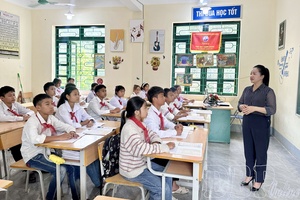
In practice, many schools across the province have sustained effective programs that take students to historical sites, linking the local education subject with revolutionary tradition education. At the primary level, local education content is integrated into subjects and extracurricular activities. At the lower and upper secondary levels, local education is delivered through thematic modules covering culture, history, geography, economy, society, environment and career guidance. Lessons are scientifically designed with accurate information and age-appropriate approaches, offering students a comprehensive and systematic understanding of Điện Biên in connection with the country’s overall development. Activities include caring for historical sites and memorials; offering incense and candlelight tributes on commemorative occasions; and visiting and supporting families of war veterans and people with meritorious service.
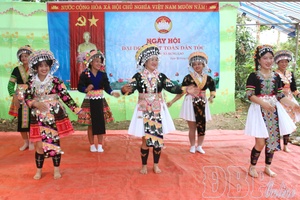
Nguyễn Văn Dũng, Vice Principal of Bế Văn Đàn Primary School, noted that Điện Biên’s rich historical and cultural heritage provides schools with abundant teaching resources. Regularly organized activities such as history and culture field trips, folk performances, traditional storytelling, and incense offerings at martyrs’ cemeteries are accessible and engaging for students.
Alongside schools, the Điện Biên Phủ Victory Museum and the provincial Relics Management Board play a vital role in bringing history closer to younger generations. Each year, they proactively coordinate with the education sector to organize experiential learning programs and study tours linked to notable local historical figures and events. Through guided tours, documentary screenings, artifact displays and campaign diorama models, students gain vivid, hands-on exposure to history, strengthening awareness and pride in the homeland’s revolutionary traditions.
Beyond experiential activities, the Điện Biên Phủ Victory Museum regularly hosts thematic exhibitions aligned with historical periods, major events or education focused topics that match school curricula. The provincial Relics Management Board continues to effectively preserve and promote the value of revolutionary historical sites and scenic landmarks for traditional education. Through direct visits and exploration, students not only deepen their understanding of historical and cultural values but also develop a sense of responsibility to protect and promote local heritage.
Trần Đăng Ninh, Deputy Director of the Department of Education and Training, said that local education teaching has brought about positive changes and received broad consensus and favorable feedback from administrators, teachers and students. The education sector will continue to guide institutions to proactively develop implementation plans using diverse approaches such as experiential learning, heritage-based education, integration and cross-curricular links while mobilizing family and community participation. These efforts aim to help students gain a deeper understanding of Điện Biên, laying a foundation of knowledge, emotion and responsibility for their journey into adulthood.
Minh Thảo
.jpg)
.jpg)
.jpg)
.jpg)
.png)
.jpg)
.jpg)
.jpg)
.jpg)
.jpg)
.jpg)
You have 500/500 characters left
Please enter 5 or more characters!!!