



The cultural values of various ethnic groups are being preserved and promoted, leading to an increasingly enriched spiritual life for the population. Cultural and artistic activities have become catalysts for socio-economic development, contributing to the formation of a civilized and dynamic living environment.
.jpg)
A report on the five-year implementation of the provincial People’s Committee’s cultural development strategy until 2030 shows that between 2023 and 2025, the province organized more than 1,200 cultural and sports events, attracting over 200,000 participants. The movement “All people unite to build a cultural life” has spread widely, with the percentage of families achieving the “Cultural Family” title exceeding 85% province-wide, surpassing the average for the Northwest region. This activity has created community cohesion while raising public awareness about the role of culture in social life.
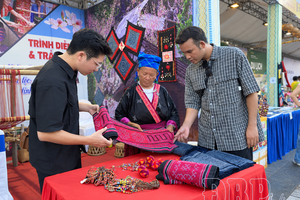
The preservation of ethnic culture has been implemented systematically, with more than 50 traditional festivals of the Hmong, Thai, and Khmu people being restored. The Hoa Ban Festival alone attracted over 80,000 tourists, serving to both preserve cultural identity and promote tourism development. Traditional cultural activities are maintained regularly, creating conditions for the younger generation to access and appreciate their ethnic values. Furthermore, the capacity of cultural staff has been enhanced through professional training, with more than 600 officers participating in managing cultural institutions and organizing events, especially in remote and isolated areas. The quality of management and guidance for cultural activities has improved, helping culture integrate into the practical lives of the people.
.jpg)
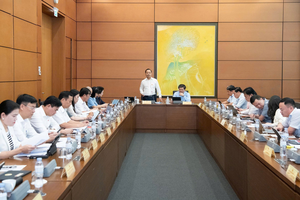
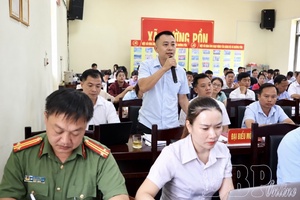
The leadership and direction of the cultural strategy are concretized through resolutions, conclusions, and directives. The province organized five specialized dissemination conferences, attracting more than 4,000 officials and party members. Resolution No.11-NQ/TU, issued on July 29, 2021, set goals for cultural preservation linked to socio-economic development, creating a foundation for planning cultural programs and projects within the province. Grassroots cultural institutions and sports centers have also continuously innovated their activities and improved service quality. The proportion of cultural public units that are financially self-sufficient increased from 12% in 2023 to 28% in 2025. More than 30 businesses and organizations have participated in socialization efforts to organize festivals and folk art programs, enriching cultural life and encouraging community participation.
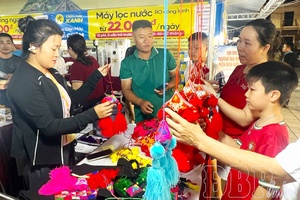
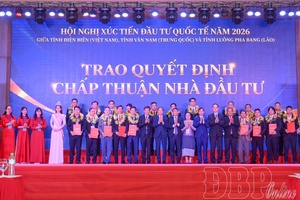
The budget for culture and sports has increased steadily, reaching over VND 150 billion in 2025, a 25% increase compared to 2022. Remuneration policies for artists, artisans, and young talents are implemented promptly. The province also focuses on supporting the creation and promotion of literary and artistic works and the preservation of traditional art forms, thereby enhancing creative quality and developing unique local cultural values. Cultural promotion and international cooperation have yielded clear results, such as cross-border culture-tourism festivals with Luang Prabang (Laos) and exchange activities with Northern Thailand and China, which have attracted thousands of international tourists. The image of Điện Biên’s culture is widely introduced, strengthening connections and international cooperation in the fields of culture and tourism.
.jpg)
The cultural development strategy until 2030 has created many positive changes. The cultural environment has become healthier, the spiritual life of the people has been elevated, and cultural identity has been preserved and promoted. Traditional values have simultaneously become the basis for holistic human development, creating a sustainable foundation for the province’s socio-economic development goals in the new era.
Bảo Thương
.jpg)
.jpg)
.jpg)
.jpg)
.jpg)
.jpg)
.jpg)
.jpg)
.jpg)
.jpg)
You have 500/500 characters left
Please enter 5 or more characters!!!