



The richness and diversity of both tangible and intangible cultural heritages across the province necessitate a balanced approach, one that harnesses economic potential while steadfastly preserving the festivals, traditional crafts, and cultural identities of local ethnic groups.
The province is home to the Điện Biên Phủ Battlefield, a Special National Monument complex comprising 46 sites. This network of strongholds, strategic hills, command bunkers, and memorial works, including A1, C1, and D1 Hills, the de Castries bunker, the Mường Phăng Campaign Headquarters, and the Martyrs’ Memorial Temple, forms a cohesive historical and spiritual space. These sites immortalize the 56 days and nights of the 1954 campaign that culminated in a victory “illustrious across five continents and shaking the world.” Complementing this history is the magnificent and expansive landscape of the nation’s westernmost frontier.
.jpg)
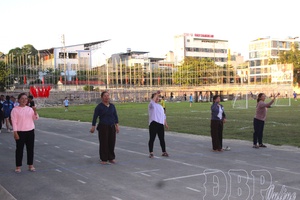
Visitors to Điện Biên in March are greeted by the legendary Pha Đin Pass, where winding roads are draped in the white blossoms of Ban flowers. In the heart of the Điện Biên basin, the Ban Flower Festival invites travelers to join hands in the Xòe dance of solidarity. Come May, the historical sites take on a heroic atmosphere, as the vibrant red of flamboyant flowers on A1 Hill serves as a poignant reminder of the sacrifices made by Điện Biên soldiers.
At the Điện Biên Phủ Victory Museum, guests can experience the entirety of the campaign through immersive exhibits detailing every stage, from the initial maneuvers to the final day of triumph. Beyond the history, the Mường Thanh field offers a lush green space where visitors can savor the renowned fragrance and flavor of local rice.
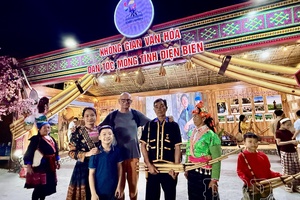
Điện Biên’s core attraction is shifting toward community-based tourism, leveraging the diverse identities of its 19 ethnic groups. Each community possesses unique customs, festivals, and spiritual lives that create a rich cultural tapestry. The province boasts 22 National Intangible Cultural Heritages; notably, Xòe Thái and the Then practice of the Tày, Nùng, and Thái people have been inscribed by UNESCO on the Representative List of the Intangible Cultural Heritage of Humanity.
.jpg)
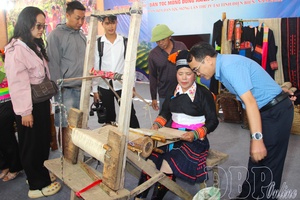
The cultural identity of ethnic minorities in highland and border areas is a significant draw. The province currently has 51 traditional crafts and villages, with 14 officially recognized. From the intricate brocade weaving of the Lào people in Na Sang and Pa Xa Lào to the meticulous embroidery of Xạ Phang women’s shoes, these crafts reflect the deep communal soul of the region.
In Mường Lay, visitors can taste Khẩu xén and Chí chọp, traditional snacks made from upland glutinous rice and fresh cassava by the White Thái.
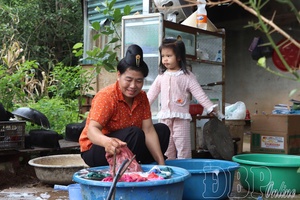
In the highland village of Nà Sự, travelers can immerse themselves in the daily lives of 140 White Thái households, participating in traditional production and cooking alongside locals.
In Sín Thầu, the Si La people offer warm hospitality within their traditional rammed-earth houses, showcasing their vibrant and colorful attire.
Localities across the province are actively developing community and experiential tourism products. However, to create a lasting impression that encourages repeat visits, each area must define its signature products tied to its specific cultural identity. Local governments play a crucial role in guiding residents to harness these unique traits. This strategy serves a dual purpose: it safeguards traditional culture while providing a vital resource for sustainable livelihoods and income improvement for the people.
Cultural tourism in Điện Biên must strive for distinction, ensuring that every visitor leaves with an invitation to return.
Hà Anh
.jpg)
.jpg)
.jpg)
.jpg)
.jpg)


.jpg)

.jpg)
.jpg)
You have 500/500 characters left
Please enter 5 or more characters!!!