



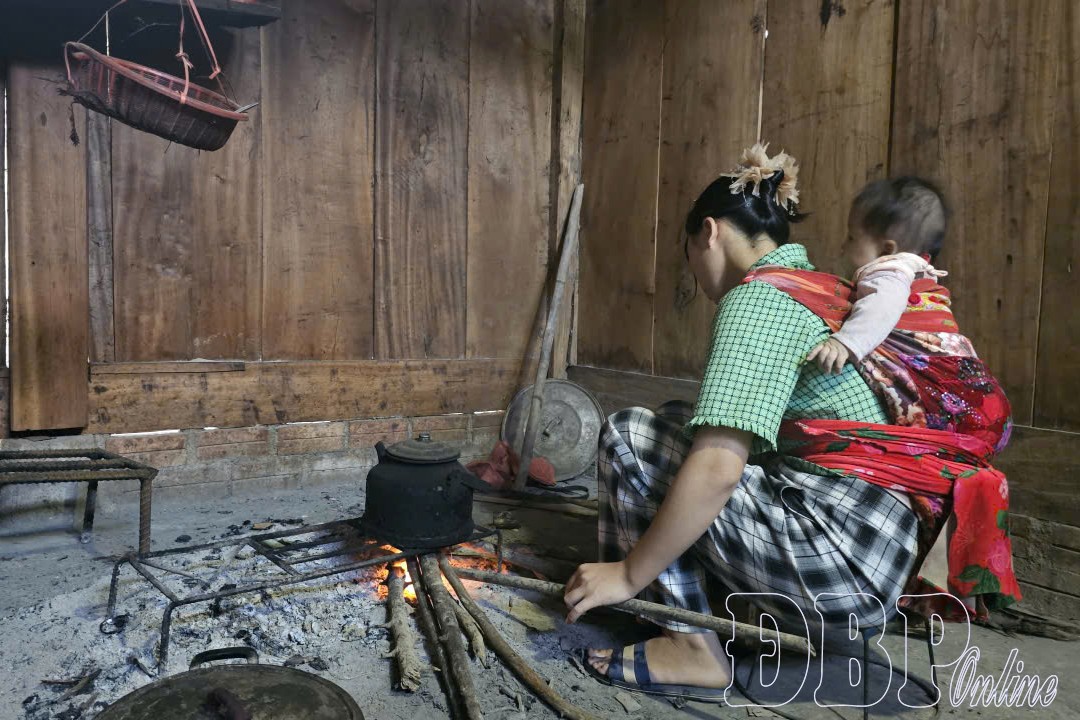
While many have yet to begin their day, Vừ Thị P. is already up lighting the hearth fire to boil water, preparing breakfast for the family, and bustling about feeding pigs and chickens. Slung on the young woman’s back is her second daughter, barely five months old. Born in 2007, at the age of 19, P. is already a mother of two: the elder is three years old, while the younger cannot yet walk.
Looking at P.’s diminutive frame beside the kitchen fire, few would imagine that her childhood came to a close years ago. In 2020, at just 13 years of age, P. dropped out of school to marry Lý A H., who was born in 2002. From then on, her life became bound to domestic chores, child-rearing, and daily breadwinning anxieties, while peers of her age continued attending school.
P. shared that once married and thrust into the role of wife and mother, she recognized her responsibilities toward her household and children. Yet her hardest struggle stems from having no job and no income, leaving all daily living expenses dependent on both sets of parents. Becoming a mother at such a tender age, she often feels a deep sense of heartache and pity for herself. “Seeing friends my age going to school, traveling here and there, and dressing in nice clothes makes me feel self-pity. But missed opportunities can never be regained. Looking back, I deeply regret marrying so young,” P. confided.
P.’s candid confession lays bare the severe repercussions of premature marriage. While someone of her age should rightly be sitting in lecture halls acquiring knowledge, she is already saddled with the heavy obligations of a wife and mother in the home. Routine domestic tasks that appear ordinary in every family represent an ordeal arriving years ahead of its natural time for P. Lacking an occupation and stable income, caring for two infants and covering living costs continues to rely largely on her extended family.
P.’s story is by no means an isolated occurrence in Long Dạo. In April 2026, another child marriage case occurred in the village involving Cháng A T., born in 2008, and Sùng Thị M. At that time, T. had just finished 12th grade, while M. was still a 10th-grade pupil. Marrying prematurely interrupted their schooling paths, while both lacked the essential prerequisites to lead independent lives and sustain a household.
Behind every child marriage lies a unique circumstance, yet the common thread remains young people lacking the requisite knowledge, life skills, and economic means to prepare for conjugal life. When schooling is disrupted, avenues to seek employment and enhance earnings narrow drastically. Family responsibilities and childcare arrive prematurely before youth have genuinely matured. Absent prompt interventions and constructive orientations, these hardships risk persisting and negatively impacting subsequent generations.
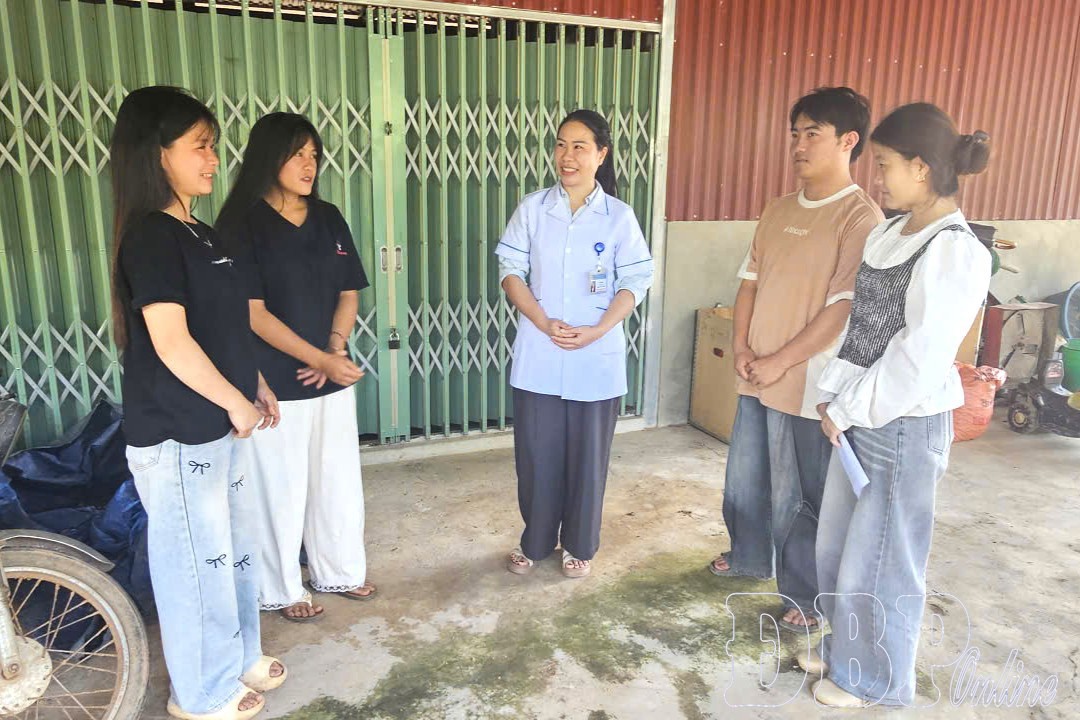
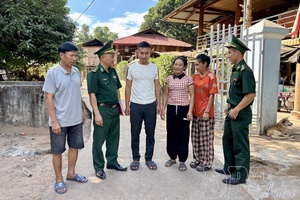
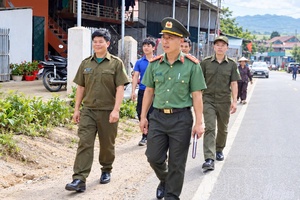
Cháng A Dũng, head of Long Dạo village, stated that recently the village has coordinated with commune cadres, the commune health station, and relevant forces to disseminate information against child marriage through village assemblies. Concurrently, cadres have conducted door-to-door visits, concentrating on households with adolescent children. Outreach content focuses on helping villagers comprehend statutory regulations concerning the lawful marital age, alongside the detrimental effects of early marriage on adolescent health, schooling, and life prospects.
According to Dũng, during the first nine months of 2026, Long Dạo village registered two child marriage cases, down by two cases compared to the same period in 2025. The decline in child marriages represents a positive signal, proving that grassroots communication and mobilization efforts have generated tangible shifts. Nonetheless, child marriage prevention must be sustained as an ongoing undertaking.
In Si Pa Phìn, review findings across the first nine months of 2026 revealed that the commune recorded 13 individuals involved in child marriages, including three couples where both bride and groom were underage; 100% of these cases belonged to the Hmông ethnic group. Notably, 9 out of 13 individuals belonged to the 14-16 age bracket, accounting for 69.23%. Recently, Si Pa Phìn commune has deployed multifaceted measures to prevent child marriage and consanguineous marriage. The commune People’s Committee directed the Socio-Cultural Office to coordinate with village heads to review and monitor grassroots conditions. The commune Health Station keeps statistics on pregnant women and childbirths under the age of 18 to serve tracking, communication, and timely intervention. Child marriage prevention themes are integrated into village meetings, mass organization gatherings, school curricular activities, and legal dissemination drives.
Phạm Thị Ngân, Vice Chairwoman of the Si Pa Phìn commune People’s Committee, stated that the locality continues to identify communication and awareness raising as central tasks, while reinforcing coordination among local administrations, schools, families, and grassroots forces. The commune prioritizes communication tailored to the cultural traits and languages of ethnic minorities; reviews at-risk cases; mobilizes students to maintain school attendance; and enhances knowledge regarding adolescent reproductive health. These are paired with intensified inspections to promptly detect and prevent potential violations, handling them in strict accordance with statutory regulations whenever sufficient grounds exist.
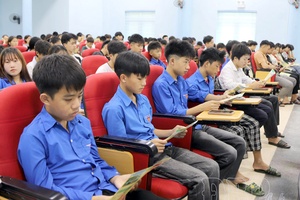
Outreach against child marriage does not merely entail reciting legal articles or reminding villagers of statutory marriage ages. Crucially, it must help families and young people themselves realize that underage marriage entails lasting repercussions for the future. With schooling cut short, lacking professional skills, and devoid of economic autonomy, youth face immense obstacles caring for themselves, raising children, and building stable lives.
In Long Dạo, diligent young people pursuing education to lay solid foundations for their future are helping spread that awareness. Chá Thị Di, a village resident who recently graduated with a degree in early childhood education from Hanoi National University of Education, believes that youth must continue schooling, arm themselves with knowledge, and prepare life foundations before tying the knot. “Child marriage is extremely hazardous to a mother’s health. I hope adolescent girls complete 12th grade or pursue higher education to secure stable jobs and steady incomes to provide for their future families. Only when sufficient conditions are met should they marry. Young people can also opt for vocational training or work as factory workers to earn incomes and attain greater life autonomy,” Di shared.
Departing Long Dạo as late afternoon sunbeams stretched across the hillsides, the image of Vừ Thị P. carrying her child on her back, bustling beside the smoky kitchen hearth, left us deeply thoughtful. At age 19, she has two children, yet the conditions to achieve personal autonomy remain far out of reach. Her spoken regrets over an early marriage cannot bring back departed years, but stand as a sobering reminder to young people standing before life-altering choices.
Rolling back child marriage cannot rely solely on communication lectures or mobilization attempts after the fact. What is imperative is helping every parent recognize that supporting their children to continue their schooling, acquire knowledge, and seize career opportunities constitutes the finest baggage for the future - so that highland children today can grow up true to their age, study, play, and nurture their dreams before shouldering the burdens of family life.
Anh Nguyễn






You have 500/500 characters left
Please enter 5 or more characters!!!