



The model of efficient energy use and electricity conservation has been broadly implemented across the province by Farmers’ Union chapters at all levels. In Điện Biên Phủ ward, the Phạm Văn Đồng residential quarter was selected to construct a pilot model, initially attracting the participation of nearly 30 members.
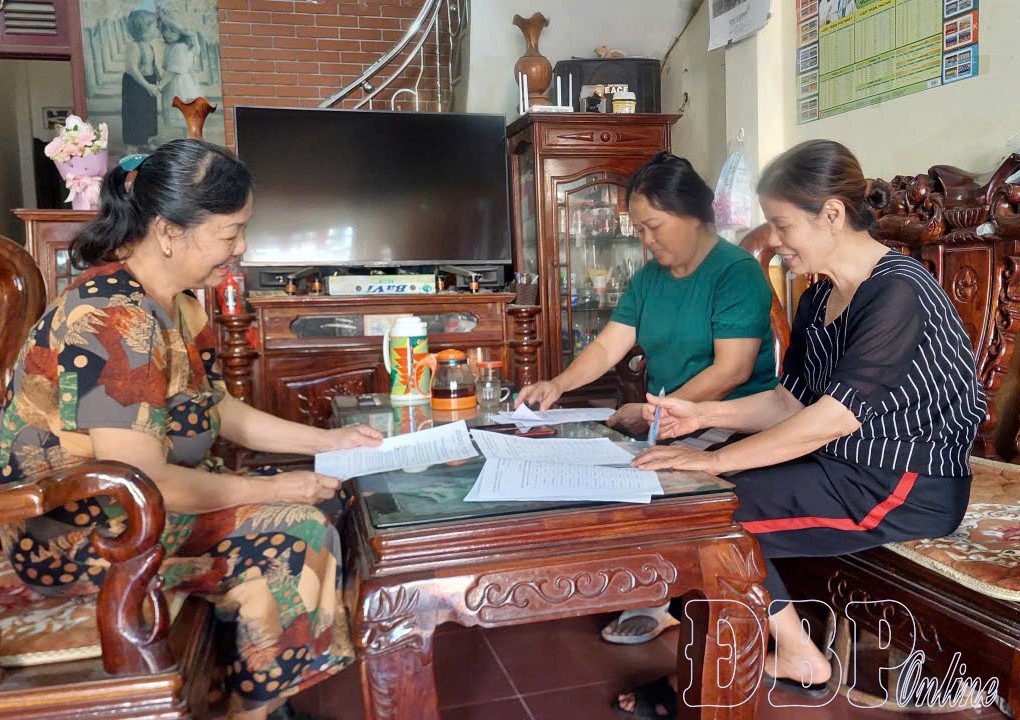
Post-merger, the Phạm Văn Đồng residential quarter comprises approximately 300 households, including nearly 100 commercial and business households. Electricity demand for domestic living and commercial operations is relatively large; therefore, practicing electricity conservation bears practical significance for every family’s budget. Currently, the residential quarter features 3 households that have installed rooftop solar power systems to serve living and business needs, such as the families of Nguyễn Đức Thịnh and Phạm Đình Chính.
Phạm Thị Mai, director of the model, shared: “Initially deploying the model and mobilizing households to sign commitments to practice electricity conservation, we found this focus to be practical and directly tied to daily routines, leading members to respond actively. This year, we strive to communicate and mobilize 80% of business households to participate in the model, while continuing to expand the number of participating households in subsequent years.”
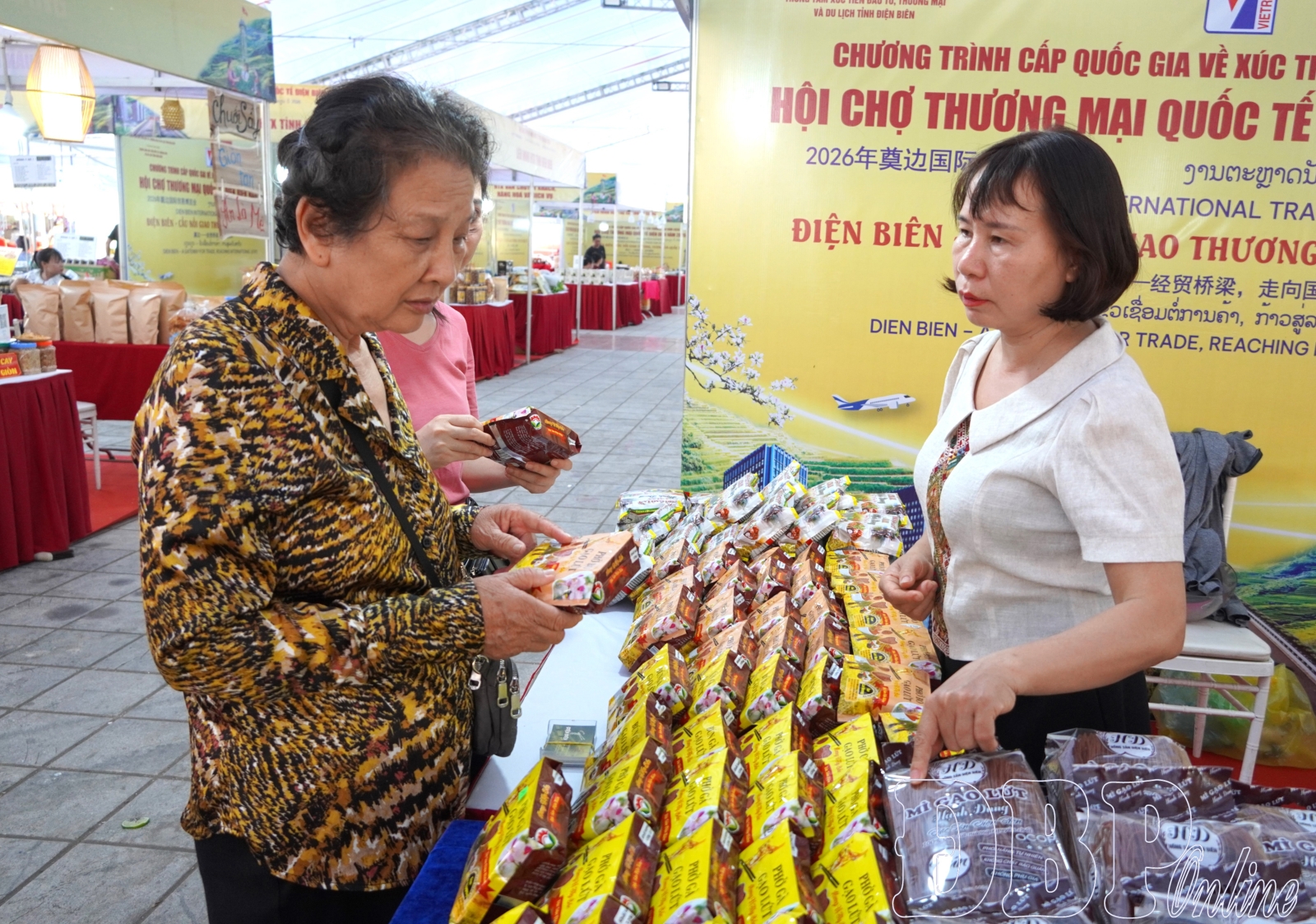
The “Efficient Energy Use” model in Nà Tấu village, Nà Tấu commune, has attracted over 160 farmer members and local residents. To sustain operations, the village established a 5-member management team comprising the village head, the head of the Farmers’ Union Village Chapter, the head of the Front Work Board, the village militia head, and the team leader of the grassroots security and order group. With the direct engagement of those who closely grasp grassroots conditions, communicating and mobilizing residents to practice electricity conservation is deployed in alignment with each family’s daily life.
Pleased that energy-saving practices have been executed responsibly by households that signed commitments, Quàng Văn Kim, head of the Farmers’ Union Chapter of Nà Tấu village, stated that the model is a practical initiative helping power-saving guidelines reach closer to the people. Through communication, households have formed habits of turning off electrical appliances when not in use, limiting simultaneous use of high-power equipment during peak hours, selecting energy-efficient appliances, and utilizing power aligned with practical demand. These shifts help families reduce household expenses while raising awareness and responsibility in resource utilization.

Lò Văn Tận, Vice Chairman of the Nà Tấu commune Farmers’ Union, stated that the locality encourages citizens to pool collective efforts to install solar-powered streetlights along dark, obstructed road sections, making transit convenient and safe. Previously, nearly 100 solar streetlights were installed across most villages within the former Nà Tấu commune.
From concrete actions, the commune Farmers’ Union continues integrating power-saving agendas into movements for building cultural lifestyles, environmental protection, production and business, and civilized rural construction. Consequently, conserving electricity is no longer an isolated act of individual households, but has progressively become a shared community mindset, regularly reminded and practiced across the populace.
In parallel with power-saving models, “Farmers Protecting the Environment” clubs have ignited enthusiastic emulation atmospheres across many localities. Mường Pồn, Nà Bủng, Tủa Thàng, Mường Nhé, Nậm Kè, Búng Lao, Na Sang, and Nà Tấu communes have deployed activities tailored to local conditions, attracting members to clean village roads, collect waste, plant flowers, and beautify residential neighborhoods.
In Co Đứa village, Na Sang commune, 35 members of the “Farmers Protecting the Environment” club alongside local residents conducted a general cleanup of internal village roads, gathering and sorting domestic waste and pesticide packaging discarded in crop fields. Members also communicated and mobilized households to construct hygienic latrines and situate livestock barns away from residential quarters, mitigating environmental pollution risks.
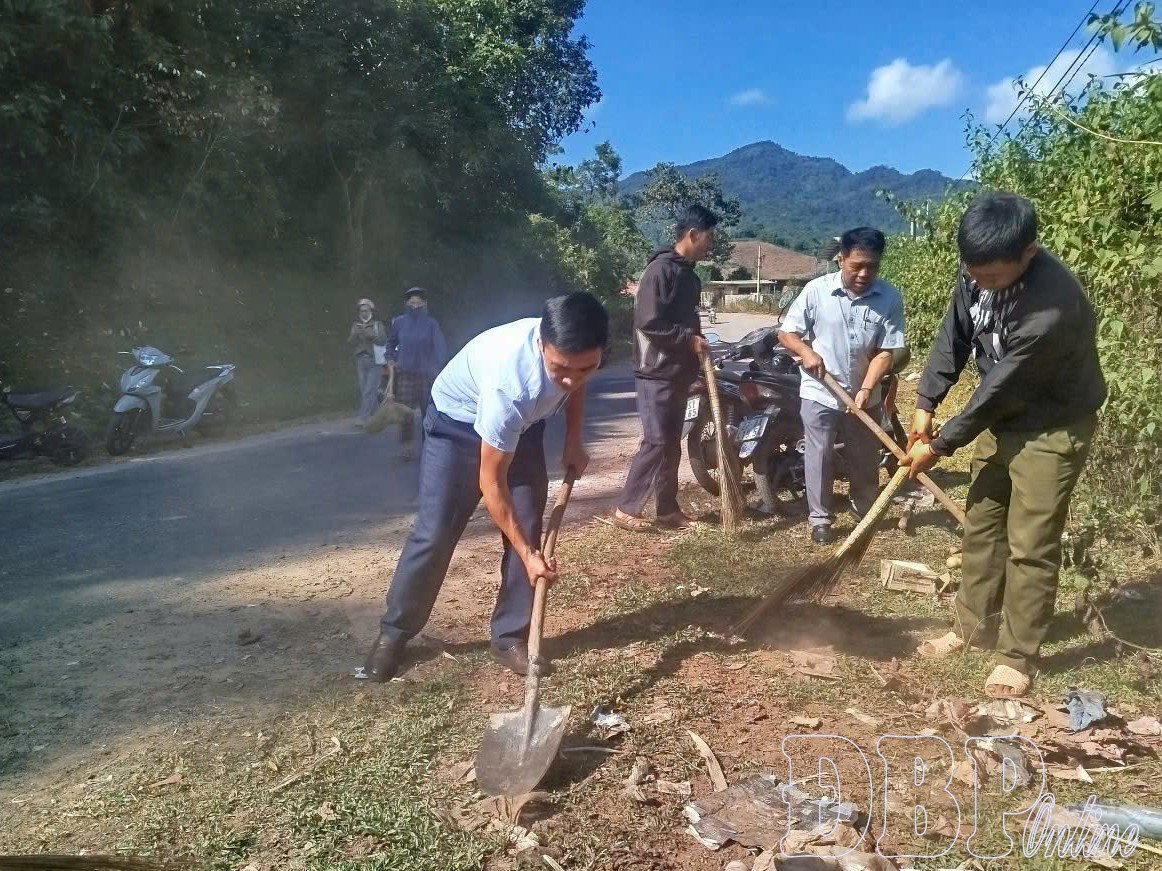
Quàng Văn Du, a club member, stated that previously, after using plant protection chemicals, several residents discarded packaging directly onto the fields. Participating in club activities, he clearly recognized the harms of this practice and committed to collecting and disposing of containers at designated drop-off sites, while reminding surrounding households to follow suit.
Such changes demonstrate the ripple effect of environmental protection within residential communities. The club “Farmers Protecting the Environment and Responding to Climate Change Tied to Community Tourism” in Huổi Thanh 1 village, Nậm Kè commune, was established with 30 members. This is one of the destinations oriented by Nậm Kè commune for community-based tourism development; hence, preserving landscapes and environmental sanitation holds practical significance for residents’ daily living as well as the capacity to attract tourists. Through the club, members are mobilized to collect and segregate waste, curb single-use plastics and plastic bags, and safeguard water resources and arable land. Developing farmer self-managed environmental roadways is prioritized, contributing to crafting clean, scenic surroundings and elevating community awareness in preserving essential prerequisites for Huổi Thanh 1 to expand tourism.
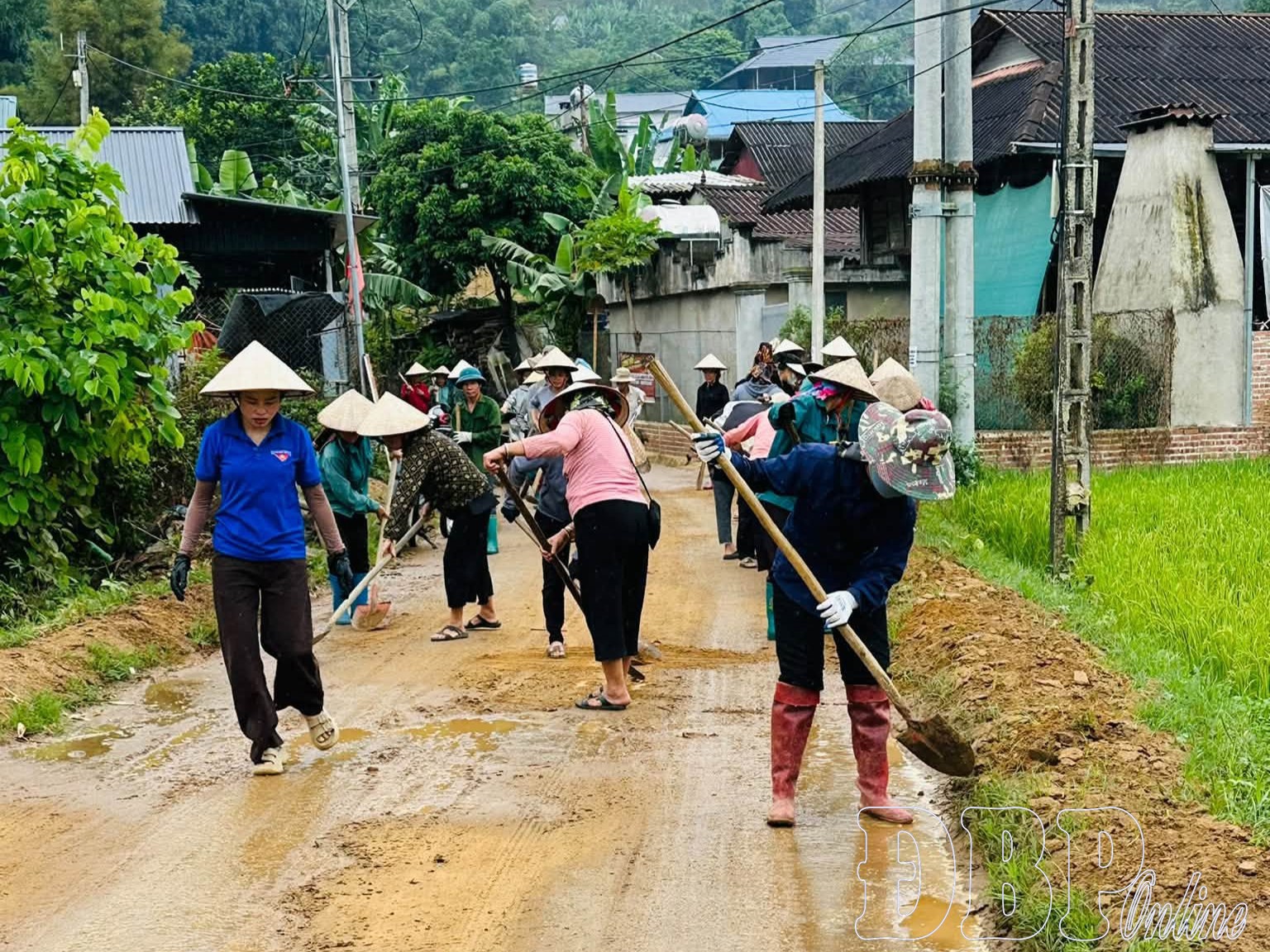
In Pọng village, Nà Tấu commune, the “Farmers Participating in Environmental Protection” club initially drew 160 members. A management board comprising 7 key village cadres was consolidated to organize and maintain regular operations. Members actively clean internal village thoroughfares, collect garbage, and tend to and expand flower-lined roadways, helping impart a well-ordered, civilized appearance to the residential area.
Conserving electricity and protecting the environment are intimately linked in the pursuit of building green, sustainable livelihoods. When both aspects are synchronously deployed, residents gain added conditions to adjust living habits, enhance quality of life, and bring into play their roles as central actors in building civilized rural areas.
The provincial Farmers’ Union’s rollout of the “Efficient Energy Use” model, the “Farmers Participating in Electricity Conservation, Clean Energy Use, and Climate Change Adaptation in 2026” campaign, and “Farmers Protecting the Environment” clubs has injected fresh impetus into grassroots emulation movements among Điện Biên farmers. When conserving power becomes a routine habit, waste collection is conducted voluntarily, and each roadway is kept clean and beautiful through collective responsibility, the models deployed by Điện Biên farmers transcend mere temporary campaigns to progressively become a lasting community lifestyle.
Bình Nguyên







You have 500/500 characters left
Please enter 5 or more characters!!!