



Through every stitch and needle, traditional knowledge and handicraft skills are handed down, contributing to preserving the ethnic cultural identity.
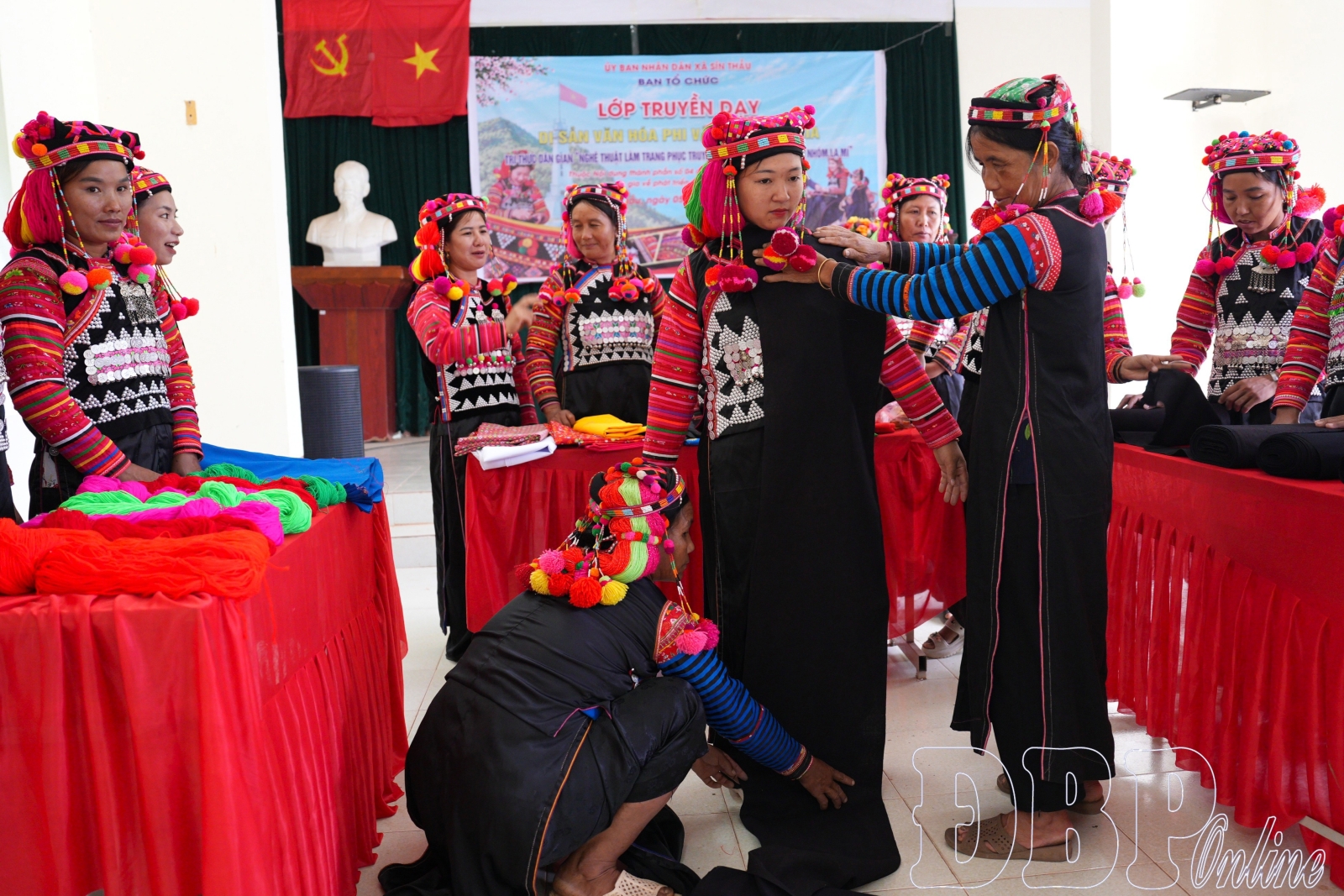
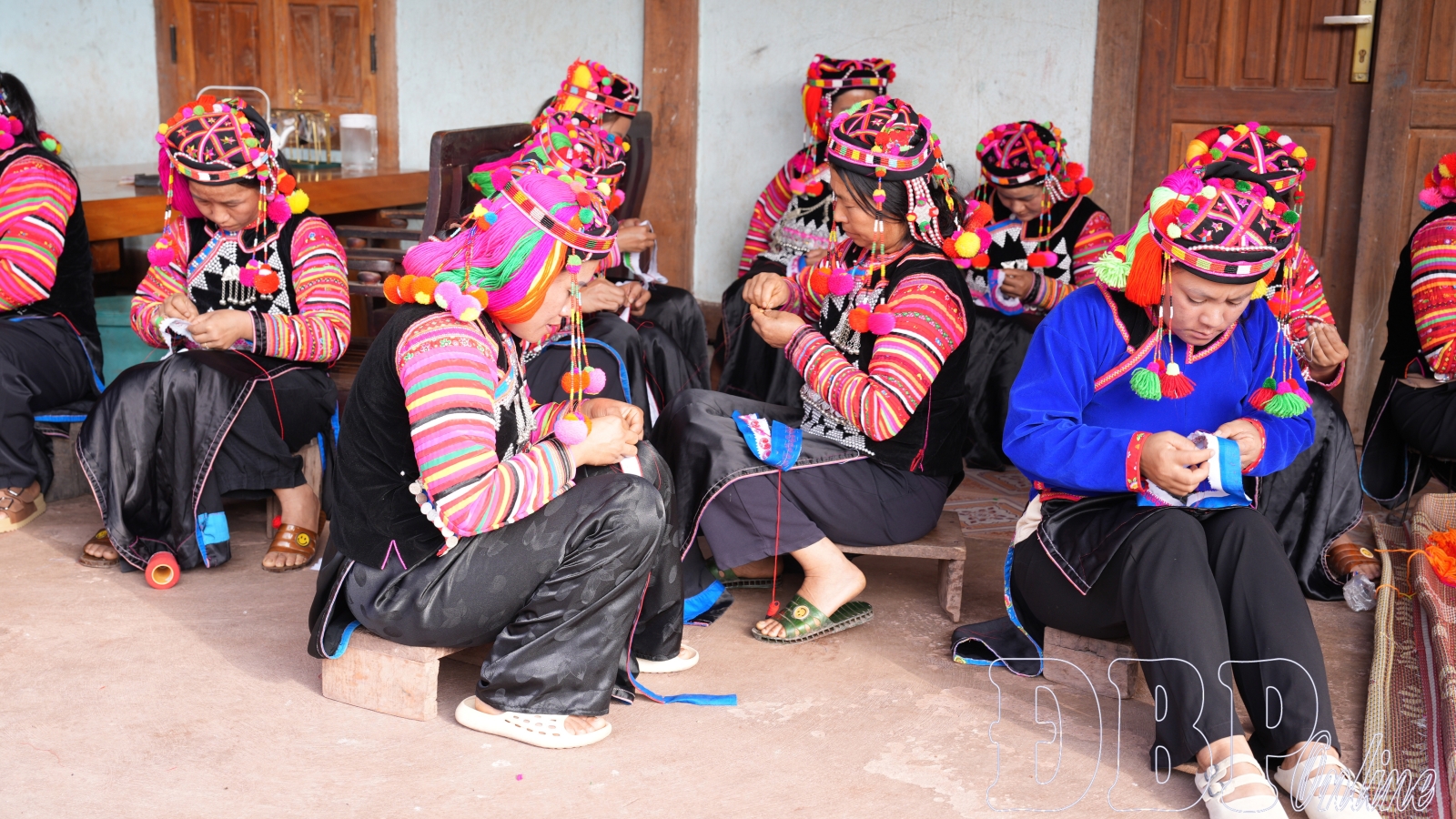
Community-based training classes are contributing to preserving distinctive cultural values and passing on folk knowledge to the next generation. The traditional costumes of the Hà Nhì people, Lạ Mí branch, boast unique traits in styling, color, and decoration. On a dark indigo fabric background, strips of red, white, and blue cloth are skillfully pieced together, combined with motifs of horseshoes, pumpkin flowers, sponge gourd flowers, sunflowers, mountains, trees, and wild vegetable shoots, creating a striking beauty that reflects the close connection with nature and the life of local people. Each set of costumes also embodies folk knowledge, handicraft techniques, aesthetic concepts, and cultural values handed down through many generations.
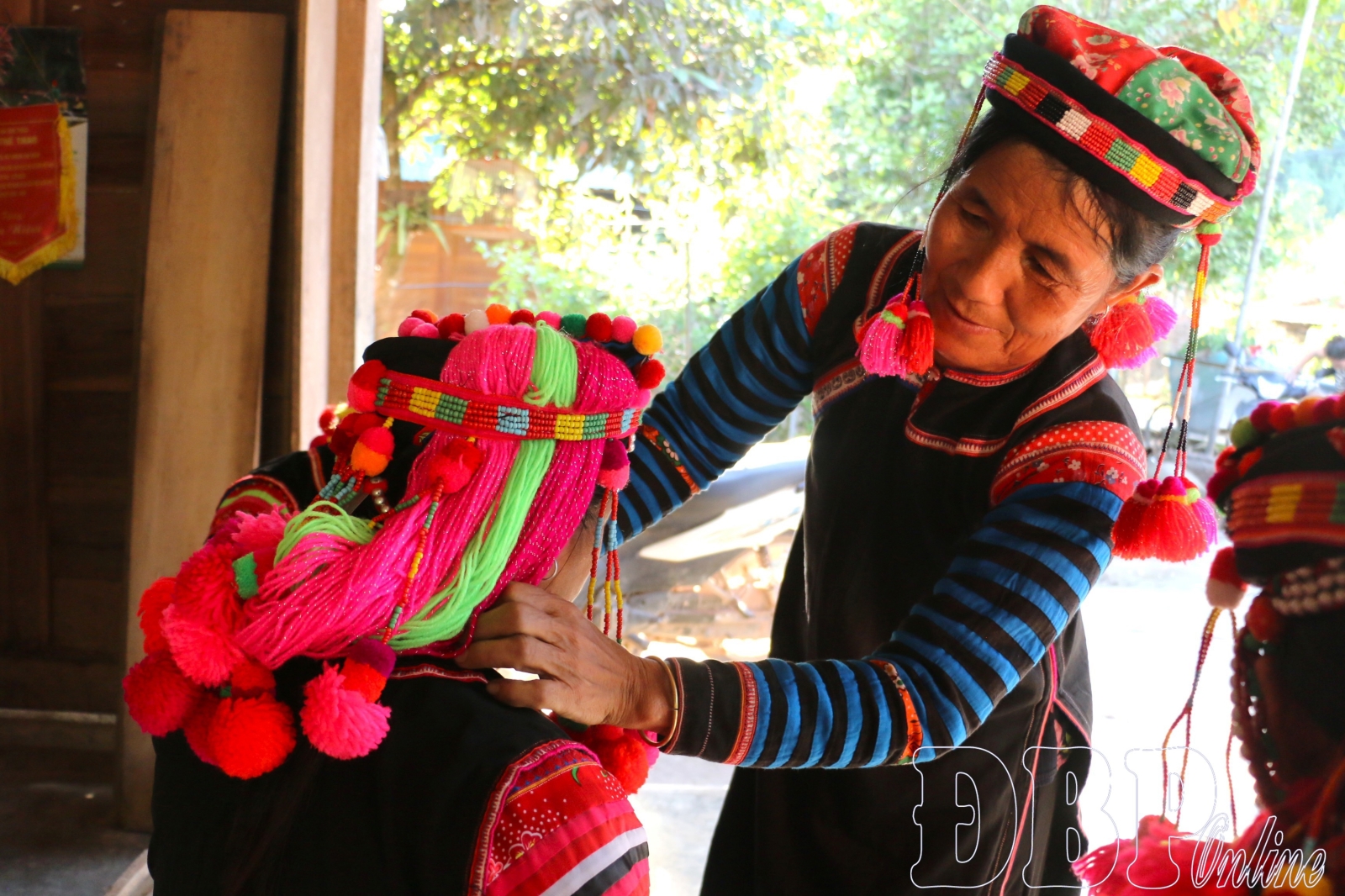
The traditional costumes of Hà Nhì Lạ Mí women include short tops, long robes, trousers, and a headdress, with distinctions based on age. Young women wear long robes with sleeves pieced together from red and white fabric bands with youthful, vibrant colors; older women’s attire often uses darker bands of fabric like dark blue and black to decorate the sleeves. The highlight of Hà Nhì Lạ Mí women’s costumes is the headdress. According to folk beliefs of the Hà Nhì people, the soul resides on the head, so women must wear hats or headscarves right after waking up, especially when standing before the ancestral altar. Therefore, the headdress is crafted very elaborately and distinctively.
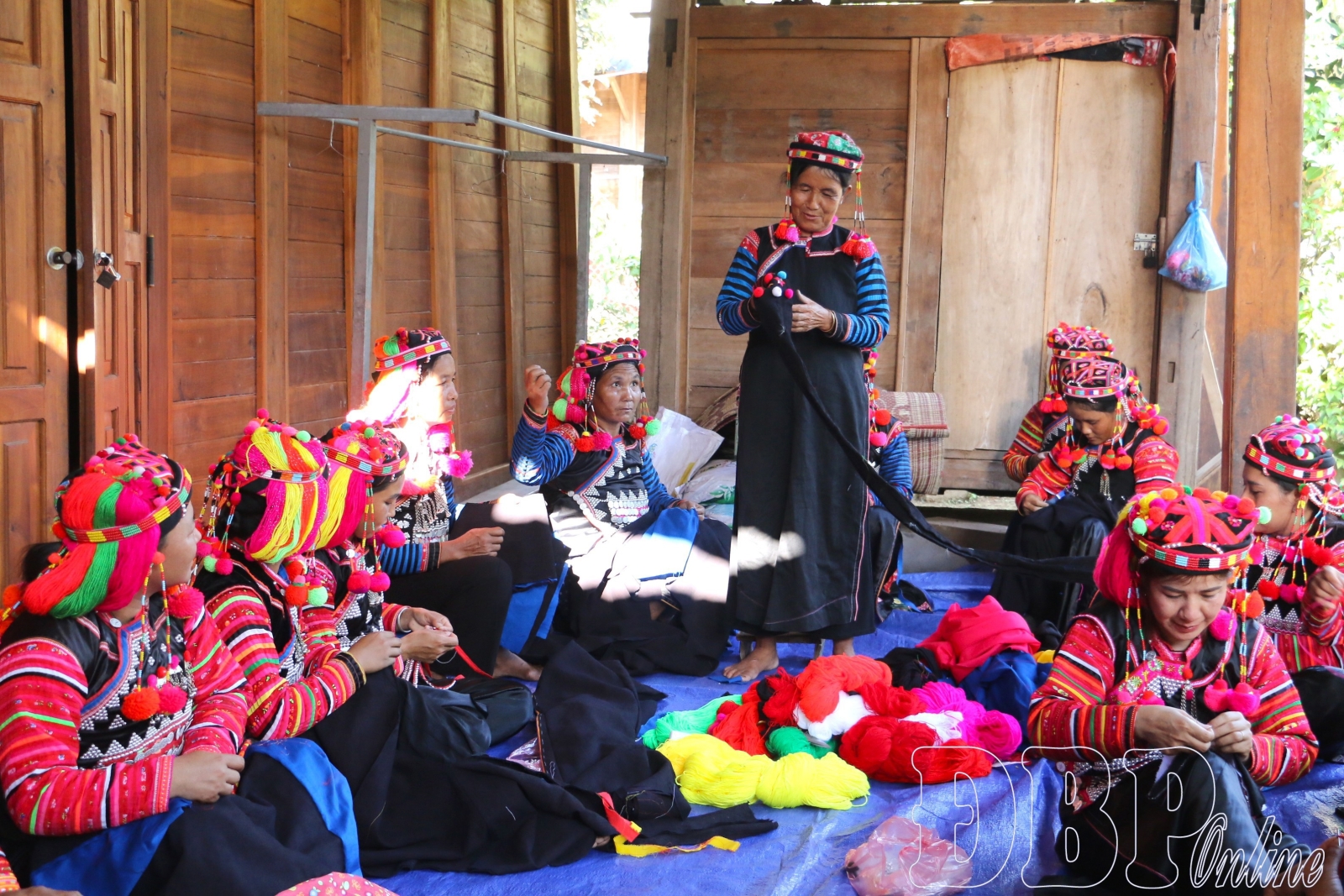
However, in the face of changes in daily life, the craft of making traditional costumes is at risk of fading away. Cotton planting, spinning, and weaving are no longer widely maintained; tailoring materials are now mainly bought ready-made from the market. The number of people who master the techniques of measuring, cutting, sewing, embroidering, and decorating costumes is also decreasing, especially among the younger generation. Experiences traditionally handed down within families and communities risk being interrupted unless continuously practiced and transmitted.
As the person directly teaching in Sen Thượng village, Mrs. Lò Xoan Mé has been attached to the traditional costume-making craft for many years. To her, each step requires dexterity and experience. From measuring and cutting fabric to fit the wearer, sewing parts together, to piecing colored fabric strips, embroidering patterns, and making buttons and loops, the maker must be patient and meticulous. In particular, decorative details and embroidered motifs demand precision, because just one incorrect stitch can alter the shape and layout of the motif. Mrs. Mé patiently guides learners through each step while sharing experiences accumulated over years of practice.
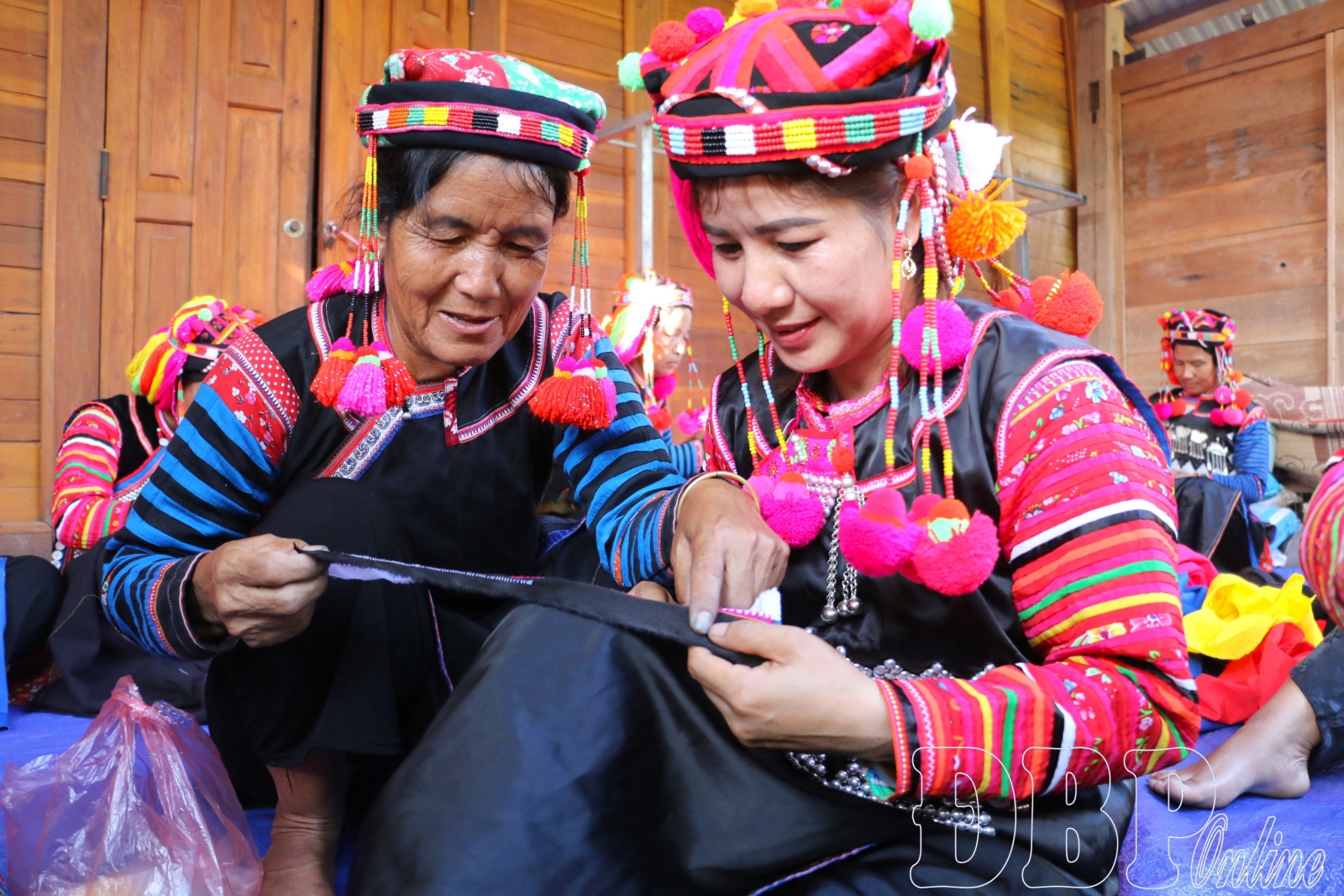
Mrs. Lò Xoan Mé shared: “Making traditional costumes of the Hà Nhì people involves many stages, each requiring meticulousness and patience. In the past, almost every woman in the village knew how to sew and embroider costumes for their families, but nowadays the number of proficient craftspeople is increasingly small. Therefore, I wish to pass on what I know to the younger generation so that they understand how to make, know how to wear, and preserve the costumes of their ethnic group.”
Practical sessions help learners understand that completing a traditional costume requires multiple steps and time. The techniques cannot simply be learned through verbal storytelling, but must be guided, observed, and hands-on practiced. Through this, young people have more opportunities to learn about and recognize the cultural values of costumes that have been present in family and community life.
Joining the class, Ms. Giàng Phù De, born in 2000, wishes to explore and learn the techniques of making the traditional costumes of her ethnic group. Ms. Giàng Phù De said: “Previously, I often saw my grandmother and mother wear traditional costumes during festivals and Tết, but did not fully understand how a costume was made. When participating in the class and being guided through each stage by the grandmothers and older sisters, I realized that completing a costume requires many steps, demanding dexterity and patience. I want to learn so that I can sew and embroider the costumes of my ethnic group, and later can make them myself and guide my relatives.”
In 2026, Sín Thầu commune implemented 2 classes to transmit the national intangible cultural heritage “The craft of making traditional costumes of the Hà Nhì people, Lạ Mí branch” in A Pa Chải village and Sen Thượng village, with over 60 learners participating. Learners directly practiced techniques of selecting materials, measuring, cutting, sewing, piecing together, embroidering patterns, making buttons, loops, and decorative details on men’s and women’s costumes. The finished products are checked, assessed, preserved, and used for exhibition and local cultural promotion.
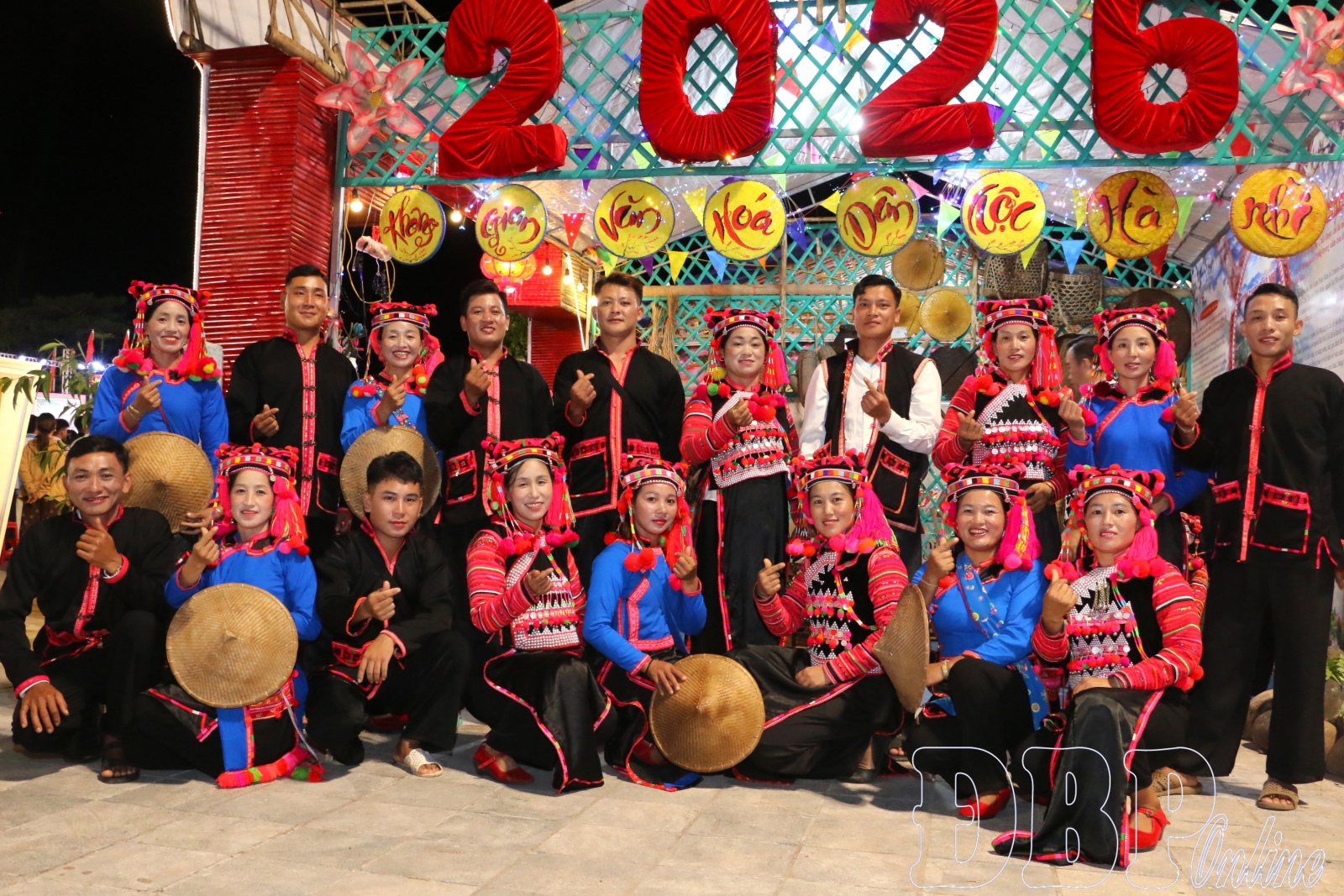
The classes are organized to help learners acquire knowledge and practical skills, enabling them to self-practice and apply them after the course concludes.
Đỗ Thùy Giang, Vice Chairman of the People’s Committee of Sín Thầu commune, said: “Through the classes, the locality hopes that artisans and people knowledgeable about ethnic culture will directly impart skills and costume-making experience to the young generation, helping learners master the basic stages and practice on their own. The crucial thing is that after the class ends, learners continue to practice, apply the acquired knowledge, and teach it to family members and the community. At the same time, the locality will pay attention to maintaining the practice and use of traditional costumes in daily life, contributing to preserving and promoting the cultural heritage values of the Hà Nhì ethnic group.”
Towards Việt Nam Cultural Heritage Day on November 23, preserving the traditional costumes of the Hà Nhì Lạ Mí people in Sín Thầu highlights the crucial role of the community in heritage preservation. Knowledgeable people are directly transmitting experience, helping the young generation access and practice costume-making techniques. Each finished costume and each technique acquired by young people represent another opportunity for folk knowledge to remain present in daily life. Heritage is truly preserved only when the community still understands, still practices, and actively passes it down to future generations.
Anh Nguyễn


You have 500/500 characters left
Please enter 5 or more characters!!!