



The vast Mường Thanh Field, mist-covered Shan Tuyet tea hills, sprawling pineapple plots, and high-tech farms are producing clean agricultural products while promising to become highly potential “green destinations” in the future.
Across the province, agricultural production is no longer confined to traditional know-how. Instead, models applying scientific and technological advances are being rolled out, delivering higher economic returns while minimizing environmental impacts. Notable examples include VietGAP standard Shine Muscat grape cultivation; organic orange and pomelo farming in Nam Thanh ward; greenhouse grown melons in Thanh Nưa and Thanh Yên communes; and high-tech tomato and vegetable production in Si Pa Phìn commune. Alongside production, Điện Biên has steadily introduced digital transformation across the agricultural value chain. Product traceability systems are increasingly being developed and implemented by cooperatives, businesses, and OCOP stakeholders. Beyond packaging and labeling, each agricultural product now tells a story about its growing area, cultivation process, quality, and local brand.
.jpg)
The protection of geographical indications, collective trademarks, and certification marks for products such as Mường Ảng coffee, Tủa Chùa Shan Tuyet tea, Mường Thanh rice, Pu Lau honey pineapple, and Tủa Chùa purple taro has helped enhance agricultural value, laying the groundwork for experiential tourism linked to regional specialties.
In Điện Biên, high-tech agricultural zones are gradually emerging as attractive experiential destinations. Visitors can tour greenhouses, nurseries, and high-tech farms; take part in planting, care, harvesting, and processing; and learn about the application of biotechnology, digital technologies, product traceability, and e-commerce in agriculture. These experiences offer deeper insight into local clean agricultural production.
The province is also integrating visitor support software and destination promotion into the development of a smart tourism system, digitizing information on destinations, cultural heritage, and tourism products. Applications such as the “Support app for visiting the Điện Biên Phủ Victory Museum” and the “Smart tourism information system” integrate management tools and interactive features for tourism operators while supporting visitors’ service experiences. Through digital platforms, mobile apps, and QR codes, tourists can easily access information on history, culture, cuisine, and region specific agricultural products.
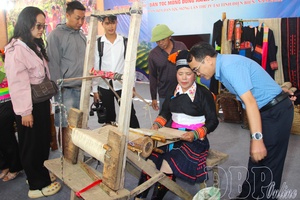
In villages such as Nà Sự, Phiêng Lơi, and other cultural communities, pristine ecological spaces, harmonious natural landscapes, and rich traditional values of Thái, Mông, and Khơ Mú ethnic groups have been preserved. Science and technology act as catalysts, helping residents raise awareness, improve production methods, develop community based tourism, and promote village images on digital platforms while safeguarding landscapes, the environment, and traditional cultural values to meet growing demand for green and experiential tourism.
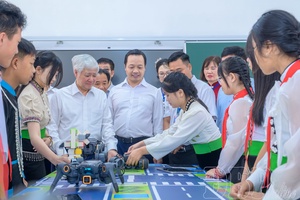
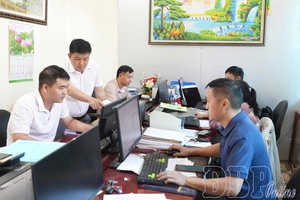
Behind these changes lies the province’s strategic direction and the pivotal role of the Department of Science and Technology in advising on mechanisms and policies and implementing locally grounded research projects. Each year, Điện Biên carries out dozens of research tasks focused on agriculture, rural development, and ethnic minority areas, prioritizing high-tech and biotechnology applications, quality standards, and digital transformation. Investments in digital infrastructure, from telecommunications networks and broadband internet to shared data platforms, have enabled farmers, cooperatives, and agribusinesses to access technology, promote products, and connect with markets. Meanwhile, the “Digital literacy for all” movement and community digital technology teams have helped narrow the digital divide, bringing technology closer to rural, remote, border, and mountainous communities.
Despite ongoing challenges posed by complex terrain, uneven infrastructure, and limited resources, the high-tech agricultural models already in place, along with new approaches to production management, traceability, tourism digitization, and product promotion, clearly demonstrate a development trajectory that aligns agricultural growth with environmental protection, cultural preservation, and enhanced visitor experiences.
With sustained and well-directed investment in science, technology, and digital transformation, Điện Biên’s fields, uplands, and villages will serve not only as production spaces but also as green destinations, inviting visitors to experience, explore, and appreciate the harmony between people and nature in Vietnam’s Northwest.
Lý Quỳnh
.jpg)
.jpg)
.jpg)
.jpg)
.jpg)
.jpg)

.jpg)
.jpg)
You have 500/500 characters left
Please enter 5 or more characters!!!