



After years of identifying tourism as one of its key economic sectors, Điện Biên has built up remarkable historical, cultural, and natural assets. However, the gap between its tourism potential and its actual performance remains considerable. Tourism products are still relatively limited, community-based tourism villages often lack investment resources, tour operators remain cautious about developing new itineraries, and destination promotion has largely relied on traditional methods.
.jpg)
Against this backdrop, Resolution No.16/2026/NQ-HDND, adopted by the provincial People’s Council in late June, represents a concrete step toward implementing Resolution No.12-NQ/TU of the provincial Party Committee on tourism development through 2030, with a vision to 2045. More importantly, it marks the first time Điện Biên has introduced a relatively comprehensive policy package designed to support tourism product development in an integrated manner.
According to Trần Hải Hà, Director of the provincial Department of Culture, Sports and Tourism, the most significant breakthrough of the resolution lies in its vision of building a complete tourism ecosystem. Rather than focusing solely on infrastructure investment or destination marketing, the policy covers a broad spectrum of areas, including community-based tourism, tourist transportation, souvenir production, the night-time economy, tourism start-ups, travel businesses, digital transformation, and digital communications.
.jpg)
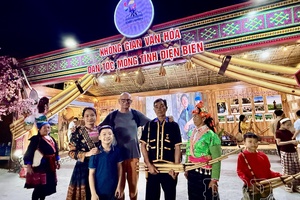
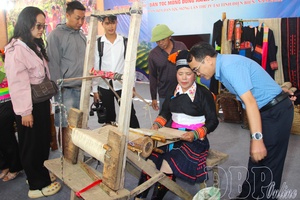
At the heart of the resolution is a community-centered approach. Community tourism villages will receive support to improve landscapes, visitor reception facilities, parking areas, lighting systems, and Wi-Fi connectivity. At the same time, they will receive professional guidance in developing tourism products, organizing traditional cultural performances, promoting local cuisine and handicrafts, and strengthening management capacity. This approach empowers local residents to become the direct creators of tourism experiences while preserving indigenous cultural heritage and creating sustainable livelihoods.
“In essence, Resolution No.16/2026/NQ-HDND not only provides financial support but also establishes a development framework for green, smart, and sustainable tourism. It places local cultural identity, visitor experience, and community participation at the center of tourism development. This will be a key driving force for enhancing Điện Biên’s competitiveness, attracting more visitors, extending their stays, and increasing tourism’s economic value,” Trần Hải Hà emphasized.
.jpg)
Whereas tourism promotion in the past mainly relied on trade fairs, conferences, and traditional media, one of the most innovative features of Resolution 16 is its support for digital content creators.
Under the new policy, organizations or individuals operating digital media channels on platforms such as YouTube, Facebook, and TikTok for at least one year will be eligible for support if they produce and publish at least 30 digital content products each year in accordance with the province’s tourism promotion objectives. Each approved product must receive at least 20,000 views on a digital platform, include official Điện Biên tourism branding or promotional messages, comply with relevant regulations, and respect traditional cultural values. Qualified creators will receive financial support of VND 50 million, with assistance available for a maximum of 10 organizations or individuals annually.
Following the resolution’s adoption, many content creators described the policy as evidence of a new governance mindset - one that recognizes KOLs and KOCs as strategic partners in tourism development.
.jpg)
Bùi Ngọc Công, founder of the travel channel Rọt’s blog, who frequently documents journeys across the Northwest region, said: “This policy will encourage more young people who are passionate about travel, exploration, and content creation to choose Điện Biên as a destination. Not everyone will necessarily aim to produce enough content to qualify for financial support, but the policy itself creates opportunities for creators to experience the province, discover inspiring stories, and tell them in their own unique ways.”
Having spent many years showcasing the landscapes, culture, and cuisine of his hometown through digital platforms, Nguyễn Nam Khánh, founder of the Điện Biên Lang Thang channel, believes the province’s support for digital creators represents a significant shift in tourism promotion strategy.
“Today, many travel decisions begin with a short video on social media lasting only a few seconds. By creating a mechanism that genuinely supports serious content creators, the province will inspire more authentic and engaging stories about Điện Biên - stories told from personal perspectives that resonate more naturally with audiences. What I particularly appreciate is that the policy is not simply a blanket subsidy. It establishes clear criteria regarding content quality, production output, audience reach, and official evaluation."
.jpg)
From the perspective of local authorities, Đỗ Thùy Giang, Vice Chairman of the People’s Committee of Sín Thầu commune, believes the resolution comes at exactly the right time to meet the evolving needs of tourism development.
Support policies covering infrastructure investment, community-based tourism, human resource development, destination promotion, and digital transformation will provide local tourism villages with better conditions to improve service quality and develop products that reflect their unique identity.
“Sín Thầu is a border commune that still faces many challenges, but it possesses remarkable tourism assets, including pristine natural landscapes, the rich cultural heritage of the Hà Nhì ethnic community, the border marker system, the A Pa Chải Flagpole, and strong potential for community-based and experiential tourism. The province’s tourism support policies will enable us to make better use of these advantages, gradually developing distinctive tourism products rooted in local culture. This will encourage more residents to participate in tourism, create new employment opportunities, improve incomes, preserve traditional cultural values, and strengthen national defense and security in the border area.”, Đỗ Thùy Giang said.
.jpg)
Resolution No.16/2026/NQ-HDND clearly reflects a fundamental shift in Điện Biên’s tourism development strategy, from isolated investment to building an integrated tourism ecosystem; from traditional promotion to digital communication; from simply exploiting tourism resources to creating memorable visitor experiences; and from a government-led model to one driven by businesses, local communities, and digital storytellers.
If implemented effectively and comprehensively, these policies are expected to foster the development of new tourism products, improve service quality, accelerate digital transformation, preserve the cultural heritage of the province’s ethnic communities, and gradually realize the goal of making tourism one of Điện Biên’s leading economic sectors.
Diệp Chi

.jpg)
.jpg)
.jpg)
.jpg)
.jpg)

.jpg)
.jpg)
.jpg)
You have 500/500 characters left
Please enter 5 or more characters!!!