



To address this, the Executive Board of the Điện Biên provincial Party Committee issued Resolution No. 12-NQ/TU, identifying tourism as a spearhead economic sector. Guided by this orientation, Mường Phăng is taking its first strategic steps in developing plans and projects that leverage existing assets to form diverse historical, ecological, community-based, and experiential tourism products.
.jpg)
For years, Mường Phăng has served as a “red address” for pilgrims and historians, housing relics such as the General Võ Nguyên Giáp Memorial, the Điện Biên Phủ Campaign Command Headquarters, and the Pu Tó Cọ peak, where the command’s observation post was located. Nature has further blessed the region with specialized forest ecosystems, a fresh climate, and the poetic scenery of Pá Khoang Lake and its cherry blossom island. This provides an ideal environment for eco-tourism, resorts, and exploration.
.jpg)
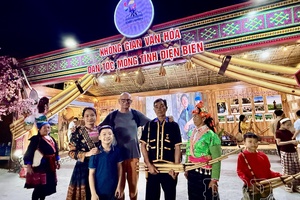
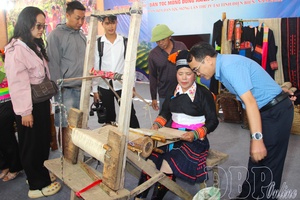
Furthermore, the cultural identities of the Thái, Mông, and Khơ Mú peoples, expressed through festivals, folk songs, dances, and traditional crafts, are invaluable assets for community-based tourism. Villages like Che Căn, Khá, and Kéo are currently being positioned as flagship community tourism destinations. While these advantages are vast, past activities were often fragmented and small-scale; the new policies aim to fill these gaps effectively by creating unique, high-quality offerings.
Resolution No. 12-NQ/TU acts as the overarching “compass” for Mường Phăng to build an effective and sustainable tourism strategy. The commune aims to transform tourism into a vital economic driver, shifting the local structure toward services while creating jobs and raising incomes. A cornerstone of this vision is a sustainable, community-centric approach where residents are encouraged to operate homestays and offer authentic culinary and cultural experiences. This not only boosts income but also preserves traditional heritage.
.jpg)
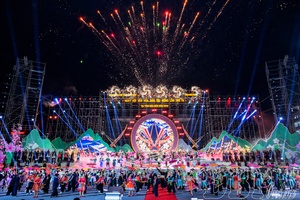
By integrating QR codes, digital maps, and online promotional platforms, the commune seeks to enhance visitor engagement and expand its market reach. Looking toward 2030, Mường Phăng plans to establish at least two standardized community tourism villages, with Che Căn as the primary focus, alongside three to five organized trekking routes in the Pá Khoang and Pu Tó Cọ areas. A notable highlight will be elevating the Mường Phăng Cherry Blossom Festival into a signature brand for the locality.
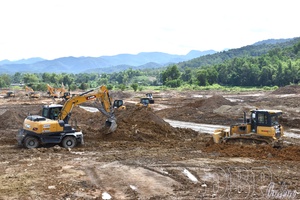
To realize these objectives, Mường Phăng is concentrating on infrastructure and service quality. By 2030, the commune strives to offer over 30 accommodation facilities with approximately 800 rooms, including more than 20 standardized homestays. Utilities such as transportation, electricity, and telecommunications are being upgraded synchronously, alongside the perfection of signage, parking, and check-in points. Community tourism villages are receiving priority investment to create an attractive and modern appearance.
.jpg)
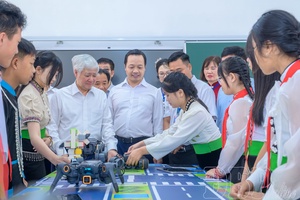
Human resources are also a priority, with a goal that at least 60% of tourism workers will be trained in professional service and digital skills by 2030. Furthermore, 100% of tourist sites will be equipped with QR codes and supported by a digital database and online marketing systems. The widespread implementation of online booking, tour scheduling, and cashless payments will help Mường Phăng bridge the development gap with other leading destinations. Through these strategic orientations and synchronized solutions, Mường Phăng targets welcoming over 1 million visitors annually by 2030, balancing cultural preservation and environmental protection with the improvement of local livelihoods.
Lý Quỳnh
.jpg)
.jpg)
.jpg)
.jpg)
.jpg)
.jpg)
.jpg)
.jpg)
You have 500/500 characters left
Please enter 5 or more characters!!!