



Held from March 6 to 12, the 2026 Bauhinia Flower Festival offers a vibrant cultural space filled with diverse activities, drawing large numbers of residents and visitors. Cultural experiences reflecting the traditions of Điện Biên’s ethnic communities help celebrate the beauty of bauhinia flowers, a symbol of the region.
Meaningful and engaging experiences
These days, as part of the festival, the De Castries bunker area has become a popular destination for locals and tourists seeking historical experiences. The program “Hoàng Cầm stove and the soldiers’ wartime meal” vividly recreates the daily life of soldiers during the Điện Biên Phủ Campaign, leaving a strong impression on participants. Visitors enjoy stepping into the role of Điện Biên soldiers, trying their hand at cooking rice using a Hoàng Cầm field stove - a specially designed wartime stove that concealed both flame and smoke to avoid detection by enemy aircraft. From making rice balls to preparing the soldiers’ simple meals, every step is recreated in a realistic way, helping participants better understand the hardships endured by earlier generations.
Trần Văn Hùng, a visitor from Hà Nội, shared: “This is a very memorable experience for me on my first trip to Điện Biên. I had the chance to learn how soldiers cooked with a Hoàng Cầm stove and to get a glimpse of wartime military life.”
.jpg)
During wartime, cooking posed serious risks because fires could be seen at night and smoke during the day, easily exposing troop positions. In some cases, soldiers were killed when smoke from cooking fires revealed their locations in the forest. From that reality, the Hoàng Cầm stove was invented by army cook Hoàng Cầm, who served in Division 308 of the Vanguard Army Corps. With its special design that dispersed smoke and concealed flames, the stove played a crucial role in ensuring meals and protecting soldiers during the resistance war. Today, although wood-fired cooking is no longer common, the Hoàng Cầm stove continues to be studied, improved and used in military training. It has become a symbol of the creativity, simplicity and resilience of the Vietnam People’s Army.
Nguyễn Thị Thảo, Deputy Director of the Heritage Management Board under the Department of Culture, Sports and Tourism, said these activities are among the festival’s most distinctive highlights. “In particular, the experience recreating the life and work of Điện Biên soldiers connects the heroic past with the present, helping visitors better understand the sacrifices made by earlier generations in defending the country”, she said.
The mark of bauhinia flower season
The festival is a signature cultural event of Điện Biên province, held annually in March when bauhinia flowers bloom in full. The festival also coincides with the anniversary marking the launch of the Điện Biên Phủ Campaign on March 13, 1954.
In 2026, the festival continues to serve as a key cultural and tourism event promoting the province’s image, cultural heritage and tourism products.
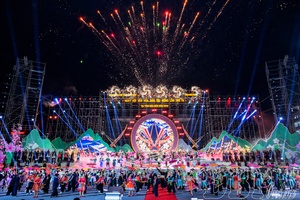
With a theme honoring the cultural identity of ethnic communities and the historical spirit of Điện Biên Phủ, this year’s activities are organized in an open festival space that combines the central celebration area with various experience sites. Major events take place in Điện Biên Phủ ward, especially around Mường Thanh Walking Street and Mường Thanh Bridge, creating a lively festival atmosphere throughout the seven-day celebration. Festival highlights include the opening-night art program featuring modern performance technology, a street carnival, festivals of folk singing, folk dance and folk music, and the outdoor performance “The legend of U Va”, which brings to life traditional folklore stories of the Thái ethnic community.
Notably, this year’s street carnival is being held for the first time as a parade combined with artistic performances and high altitude fireworks, drawing large crowds of residents and visitors.
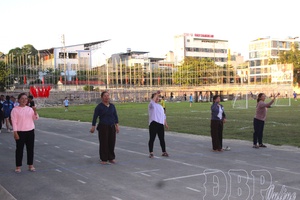
Alongside cultural and artistic events, several sports activities inspired by wartime history are also taking place, including artillery pulling reenactments, supply bicycle transport, ammunition carrying, corn grinding, giầy cake pounding and tug-of-war competitions. The festival also features a road cycling race and the “Journey to Điện Biên Phủ” open cross-country race. This year’s festival further expands cultural and tourism experiences linked to local communities and heritage spaces. One notable program is the outdoor performance “The legend of U Va” staged at U Va village in Thanh Yên commune, introducing historical and folk cultural values of the Thái people.
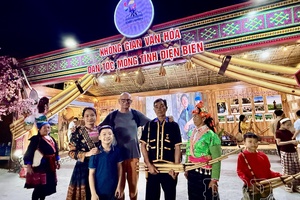
Another highlight is the event “Back to the land of bauhinia flowers - home of the White Thái stilt houses in Mường Lay”, which recreates traditional cultural spaces through folk rituals and a night market, enriching local tourism offerings.
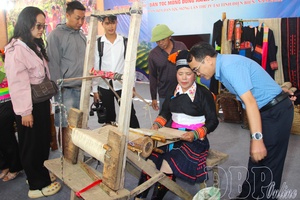
Within the festival framework, the province is also organizing several investment and tourism promotion activities, including an investment and tourism promotion conference, the photo and video contest “Impressions of Điện Biên”, and a Press Trip program for media outlets and digital content creators. Exhibition areas showcasing cultural and tourism products, along with an OCOP market fair, are also set up to introduce local specialties to visitors. These activities help preserve and promote traditional cultural values, honor both tangible and intangible heritage, and strengthen the Điện Biên tourism brand, while supporting the province’s goal of making tourism a key economic sector.
With innovations in both content and organization, the 2026 Bauhinia Flower Festival continues to affirm its status as a distinctive cultural-tourism event of Điện Biên province. With each festival season, the cultural identity of ethnic communities spreads further, bringing the land and people of Điện Biên closer to visitors. The white ban blossoms of March have thus become a symbol linking the region’s heroic past with the peaceful rhythm of life today.
Mai Phương
.jpg)
.jpg)
.jpg)
.jpg)
.jpg)

.jpg)
.jpg)
.jpg)
You have 500/500 characters left
Please enter 5 or more characters!!!