



During this peak week, homestays and community tourism sites have emerged as the preferred choice for both domestic and international visitors. Homestay Minh Ngọc in Mớ village, Điện Biên Phủ ward, serves as a perfect example of this booming demand. Operating with just six rooms and 18 beds, this cozy establishment has hosted over 100 guests since the beginning of March, maintaining a relentless 100% occupancy rate throughout the festival.
Now in its third year of serving festival-goers, Homestay Minh Ngọc has focused on perfecting its blend of modern cleanliness and deep-rooted Thái culture. Beyond providing a bed, the facility acts as a cultural concierge, connecting guests with the best spots to view blooming bauhinia flowers and providing a front-row seat to authentic local cuisine. For international travelers like Jean Philip from France, who is on his second visit to the province, these immersive stays offer a level of engagement with the festival that traditional hotels simply cannot match.
.jpg)
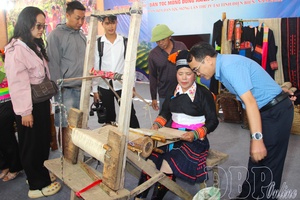
Further out in the Che Căn community tourism village in Mường Phăng commune, the spirit of hospitality is just as intense. The village currently offers around 50 beds across its primary homestays, which has allowed it to handle the influx of curious travelers effectively. During the festival, Che Căn village transformed into a living museum of traditional food, cultural exhibitions, and folk sports. Lò Văn Đức, owner of Homestay Phương Đức, observed that the surge in visitors has been undeniable. By meticulously preparing traditional dishes and ensuring a welcoming environment, his family has found a way to significantly boost their income while simultaneously acting as ambassadors for their heritage.
“Participating in community tourism has helped my family increase our income while contributing significantly to promoting the culture and customs of the Thái people to visitors”, said Lò Văn Đức.
Điện Biên now boasts a network of 42 homestays and over 10 dedicated cultural tourism villages, including well-known names like Phiêng Lơi, Mển, and Che Căn villages. This infrastructure is no longer just “experimental”; it is a robust system capable of meeting high-end relaxation and experience needs. Nguyễn Thị Thanh Chuyên, Deputy Director of the Department of Culture, Sports, and Tourism, noted that this trend reflects the growing magnetism of local identity.
The success of these models during the 2026 festival was the result of a deliberate strategy. Long before the first blossom appeared, provincial authorities collaborated with local households to renovate facilities and standardize service quality. This proactive approach ensured that the “authentic” experience was also a professional one. Ultimately, developing community tourism linked with cultural preservation is opening a sustainable door for Điện Biên, proving that the most effective way to market the land and its people is to let travelers live among them, even if only for a few days.
Nguyễn Hằng
.jpg)
.jpg)
.jpg)
.jpg)
.jpg)
.jpg)
.jpg)
.jpg)
You have 500/500 characters left
Please enter 5 or more characters!!!