



In homes and villages, artisans work tirelessly to pass down the cultural heritage of their ancestors, ensuring that traditional languages, writing systems, customs, festivals and other cultural practices remain part of everyday life. This enduring transmission breathes new life into cultural heritage and helps preserve the distinct identities of the ethnic groups who call Điện Biên home.
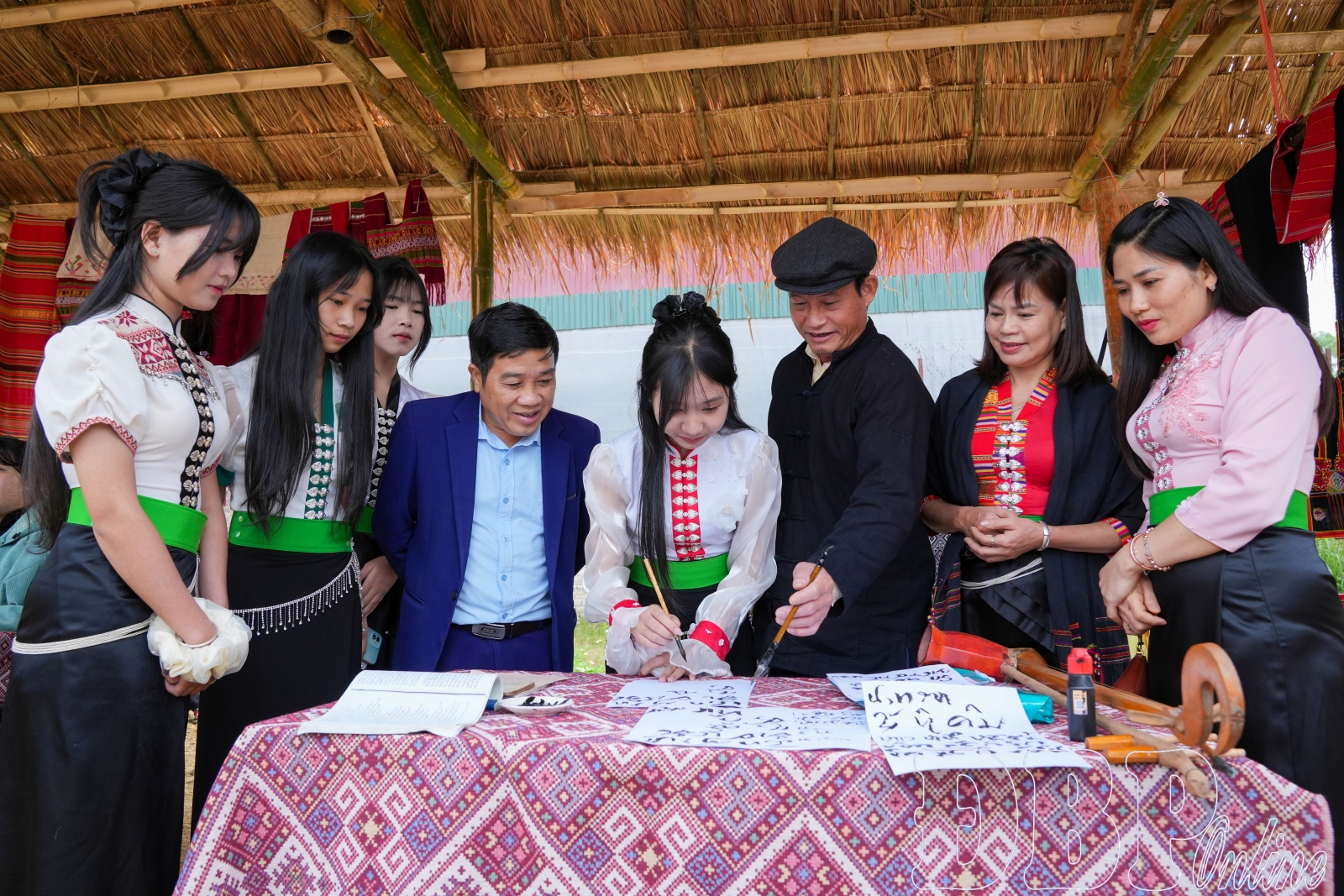
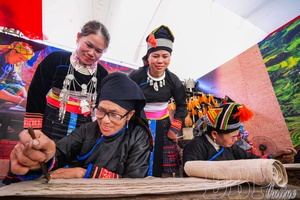
In Thanh Yên commune, Tòng Văn Hân, an artisan from Lún Liếng village, has devoted many years to collecting, researching and teaching the ancient Thai script. To him, the characters passed down through generations hold a vast body of folk knowledge, including stories of history, customs, traditions and the spiritual life of his people. He spends his time studying old documents, researching how the script is written and read, and passing that knowledge on to others. The work requires patience, meticulous attention to detail and, above all, a deep love for his ethnic culture.
What concerns Hân most is that, as fewer older people remain who are knowledgeable about the traditional writing system, the knowledge preserved over generations faces an increasing risk of being lost. For him, teaching the ancient Thai script is therefore especially meaningful. It helps younger generations better understand their roots and appreciate the cultural values their ancestors worked so hard to nurture.
“Ancient Thai script is a precious legacy left by our ancestors, preserving many aspects of our culture, customs and way of life. I have always hoped that more people, especially young people, will take an interest in learning to read and write in their own ethnic language. As long as I remain healthy enough, I will continue researching, collecting materials and teaching, in the hope that these values will be preserved for generations to come rather than fade with time,” artisan Tòng Văn Hân said.
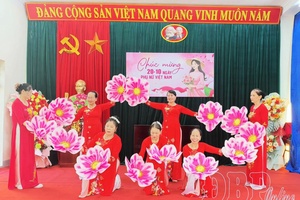
Across Điện Biên, each ethnic community nurtures its culture in its own distinctive way. Elderly artisans teach traditional folk songs and dances, craftspeople work diligently to keep traditional handicrafts alive, and local residents cherish the customs and rituals that have connected their villages for generations. Heritage is woven into everyday activities, serving as a bond that unites communities and deepens their love for their homeland and their ethnic identity.
Thanh Yên is home to a rich cultural life shaped by the distinctive traditions of its ethnic communities. In Púng Bon village, the Cống community continues to preserve its own customs and traditions, while the Lao community in Pa Xa village maintains the Khăm bản ceremony, associated with a traditional water-splashing festival. Rituals to pray for good fortune, peace and bountiful harvests are kept alive by the community, providing opportunities for different generations to gather, strengthen their bonds and reconnect with their roots.
Encouragingly, local awareness of the importance of preserving cultural identity is gradually growing. More families are taking an active interest in maintaining their languages, traditional clothing and customs, while cultural and artistic activities continue to enrich community life. For cultural practices at risk of disappearing, the role of elders, artisans and others with deep knowledge of ethnic traditions has become increasingly important. They preserve the collective memory of their communities while directly passing on knowledge and experience to the next generation.
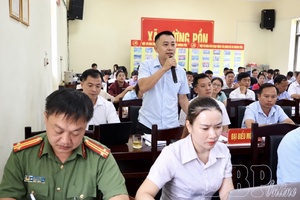
Vi Thị Dung, Head of the Culture and Social Affairs Division of Thanh Yên commune, said: “The locality recognizes that preserving and promoting the cultural identities of ethnic groups must begin in people’s everyday lives. We focus on raising awareness and encouraging villages to maintain their positive customs and traditions, while encouraging artisans and older residents to teach young people their languages, writing systems, folk songs, dances and other traditional cultural values. We also emphasize the community’s role as the primary custodian of its heritage, enabling local people to take the initiative in preserving and passing on the cultural traditions of their own ethnic groups.”
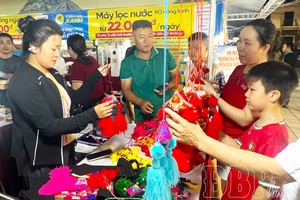
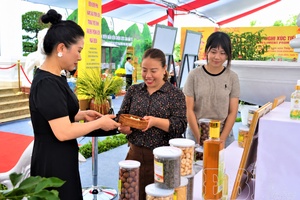
Beyond individual villages, many traditional cultural values of Điện Biên’s ethnic communities are gradually reaching wider audiences through cultural, artistic and tourism activities. Artisans and performers bring folk songs, dances and traditional musical instruments to the stage, while handicrafts, cuisine and distinctive customs have become appealing experiences for visitors. In some localities, residents have taken the initiative to leverage their cultural heritage to develop community-based tourism, creating additional livelihoods while gaining more opportunities to preserve their traditions.
Điện Biên currently has 24 intangible cultural heritage elements included in the National List of Intangible Cultural Heritage, two heritage elements inscribed by UNESCO, 41 Meritorious Artisans and approximately 1,250 amateur arts groups. These figures reflect the richness of the province’s cultural heritage while underscoring the responsibility to preserve and promote it amid the changes brought by modern life. In particular, the implementation of Resolution No. 80-NQ/TW on the development of Vietnamese culture is providing fresh impetus for localities to protect and revive traditional cultural values, with greater emphasis on the role of artisans and communities in safeguarding heritage.
Nguyễn Thị Thanh Chuyên, Deputy Director of the Department of Culture, Sports and Tourism, said: “We place great emphasis on raising awareness so that authorities at all levels, relevant sectors and local residents, particularly ethnic minority communities, understand the content and spirit of Resolution No. 80. This will help strengthen their awareness of and responsibility for preserving, safeguarding and promoting traditional cultural values, especially traditional housing architecture, handicrafts, festivals, clothing, languages and writing systems of the province’s ethnic groups. The sector also seeks to link cultural preservation with socioeconomic development and tourism, ensuring that heritage continues to play an active role in people’s lives.”
In today’s fast-changing world, the cultural heritage of Điện Biên’s ethnic communities faces both new opportunities and new challenges. Tourism development, digital technology and cultural exchanges have opened up broader avenues for introducing, promoting and revitalizing traditional values. However, the long-term vitality of heritage must still stem from each person’s awareness, love and sense of responsibility toward their own culture. When traditional practices are valued and naturally integrated into community life, heritage will continue to endure through the years, serving as a valuable source of strength from within and helping reinforce cultural identity while driving Điện Biên’s sustainable development.
Diệp Chi

You have 500/500 characters left
Please enter 5 or more characters!!!