



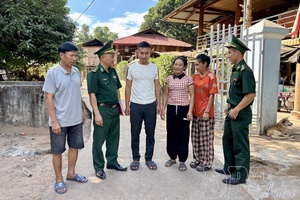
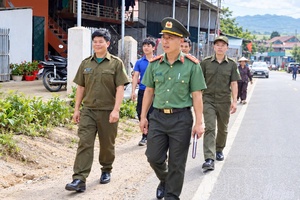
In Co Nỏng village, concretized internal village roadways facilitate transit, daily living, and agricultural produce transport. To realize these works, alongside state investment resources, local residents have engaged through tangible actions: donating land, contributing workdays, preserving the cleanliness of internal village thoroughfares, and enhancing the landscape. Village Head Lò Văn Thảo regularly communicates and mobilizes villagers to dredge drainage ditches, clean local roads, and join hands in contributing land and labor to construct cultural houses and transport routes.
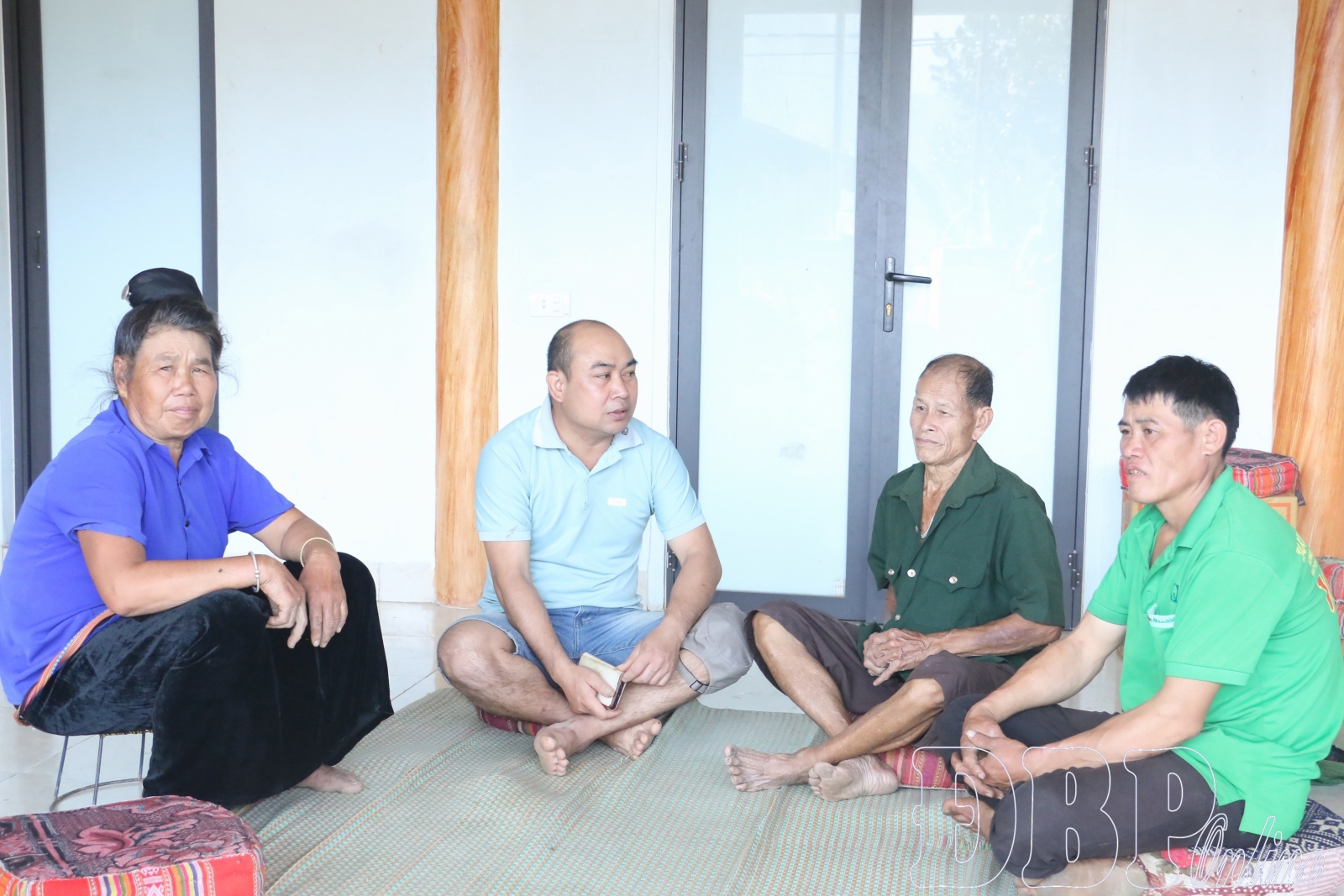
The bright spot in Co Nỏng’s approach lies in aligning mobilization with the community’s practical needs. Recognizing the clear benefits of public works for commuting, production, and daily routines, residents proactively participate in execution. Rather than merely relying on state support funds, each household takes the initiative to contribute tasks suited to family circumstances. Public participation is also demonstrated through direct land donations. Tòng Văn Ông, a resident of Co Nỏng village, donated over 3,000m² of land for the commune’s sports ground. Donating land to construct community-serving works exemplifies resource sharing among residents, enabling the locality to progressively finalize essential infrastructure frameworks.
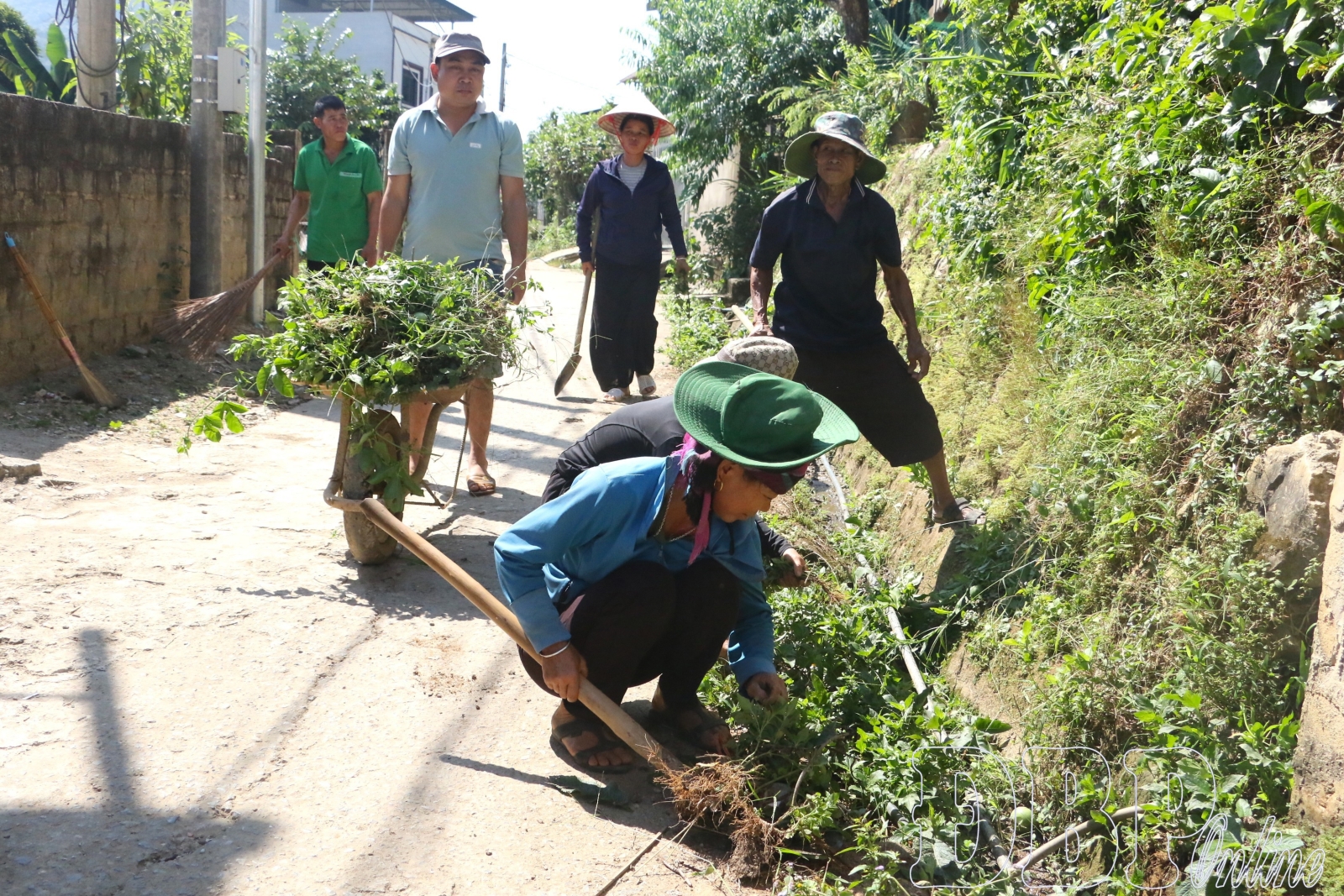
According to review findings by Búng Lao commune, Co Nỏng village currently comprises 174 households; 100% of village roads, alleys, and neighborhood lanes are hardened, and 100% of households register for safe domestic electricity use. The village counts 165 households with solid housing, accounting for 95%; the multidimensional poverty rate stands at 2.3%, equivalent to four households. The proportion of culturally recognized families reaches 93.1%; and residents accessing online public services and digital payments reach 98%. These outcomes demonstrate that the infrastructure baseline and community living standards in Co Nỏng have witnessed concrete transformations. However, the village still has areas requiring improvement, especially developing production linkage models, tethering livelihoods to value chains, and finalizing dossiers evaluating domestic water quality against technical standards. At the time of review, Co Nỏng met 4 out of 6 new-style rural village criteria under the 2026-2030 criteria set.
In Búng village, the family of Lò Thị Dụng voluntarily donated 300m² of land for road construction. She shared: “Participating in new-style rural construction, my family had 300m² of land donated to the State for road building. To date, the well-built, clean, and beautiful roadway makes harvesting farm produce convenient and children’s commute to school cleaner.”
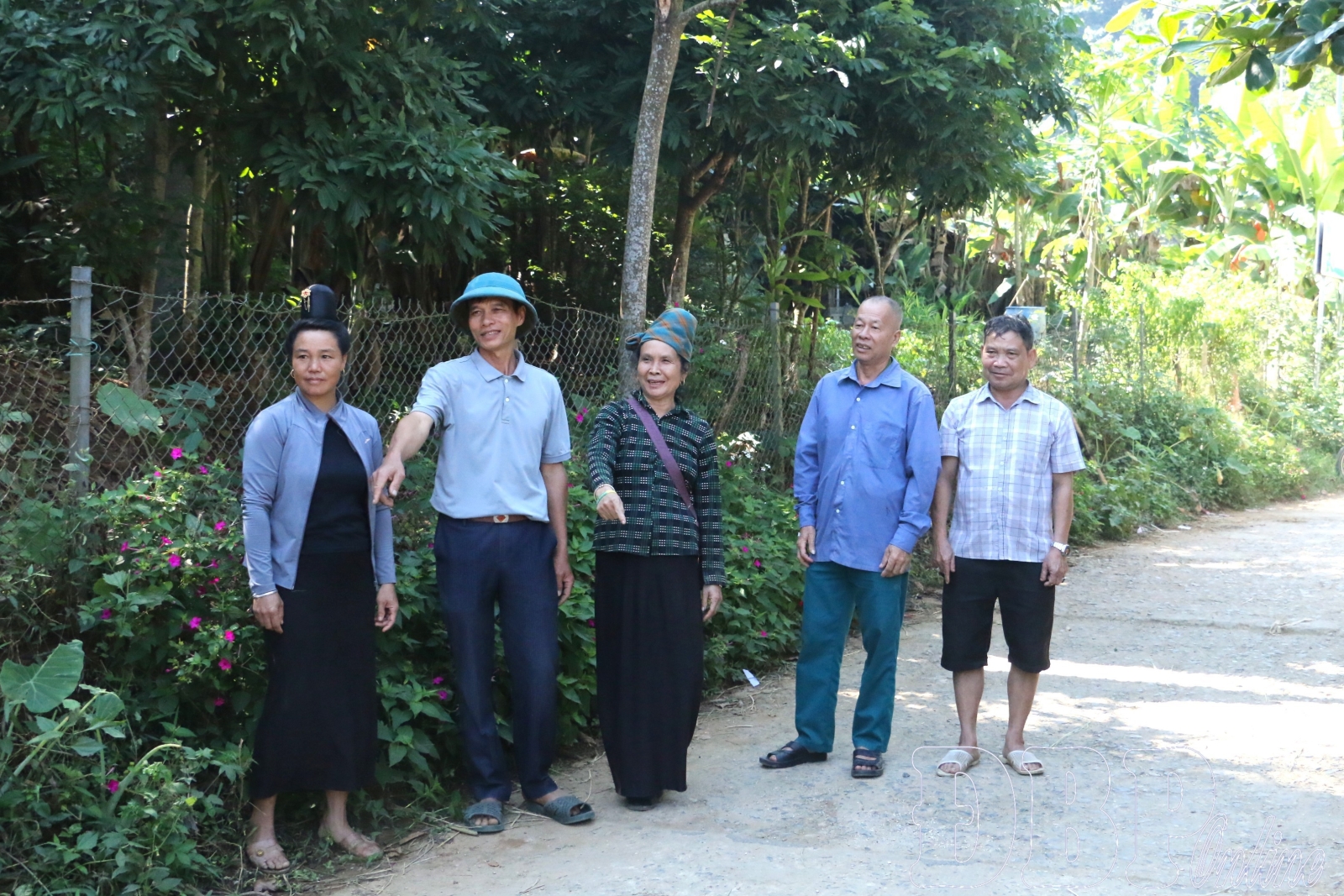
According to Lường Văn Thiện, Secretary of the Búng village Party Cell, over recent years villagers have donated more than 2,000m² of land for in-field and intra-village roads; contributed over 400 working days to build road shoulders; and donated more than VND 60 million in cash to pave concrete roads and build the village cultural house.
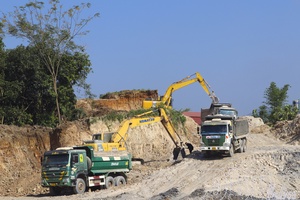
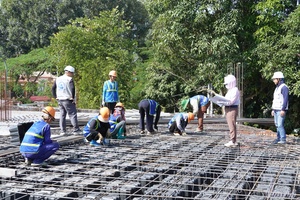
Alongside Co Nỏng village, Búng village in Búng Lao commune is expanding the mobilization of social resources in new-style rural construction. According to statistics from 2022 to date, across the entire commune, more than 60 households have participated in donating land for projects such as intra-village and inter-village concrete roads and cultural houses, with an aggregate area exceeding 46,000m²; over 200 households have contributed thousands of manual labor days. Numerous households have been commended by the commune People’s Committee for their contributions to new-style rural construction, such as: Giàng Chứ Vàng donating more than 7,000m² of land and Lầu Pháy Tạ donating over 6,000m² for the Hồng Sọt - Kéo Nánh roadway. These contributions help establish construction sites and mitigate bottlenecks during execution.
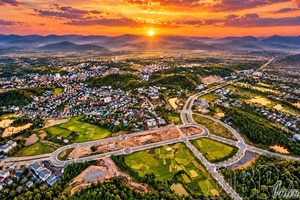
Through reviews, Búng Lao commune currently meets 2 out of 10 new-style rural criteria under the 2026-2030 criteria set, encompassing planning, and political system and public administrative construction. Regarding the socio-economic infrastructure criterion, the commune has satisfied 4 out of 6 component indicators. However, transport and telecommunications infrastructure criteria still contain points that have not met general requirements.
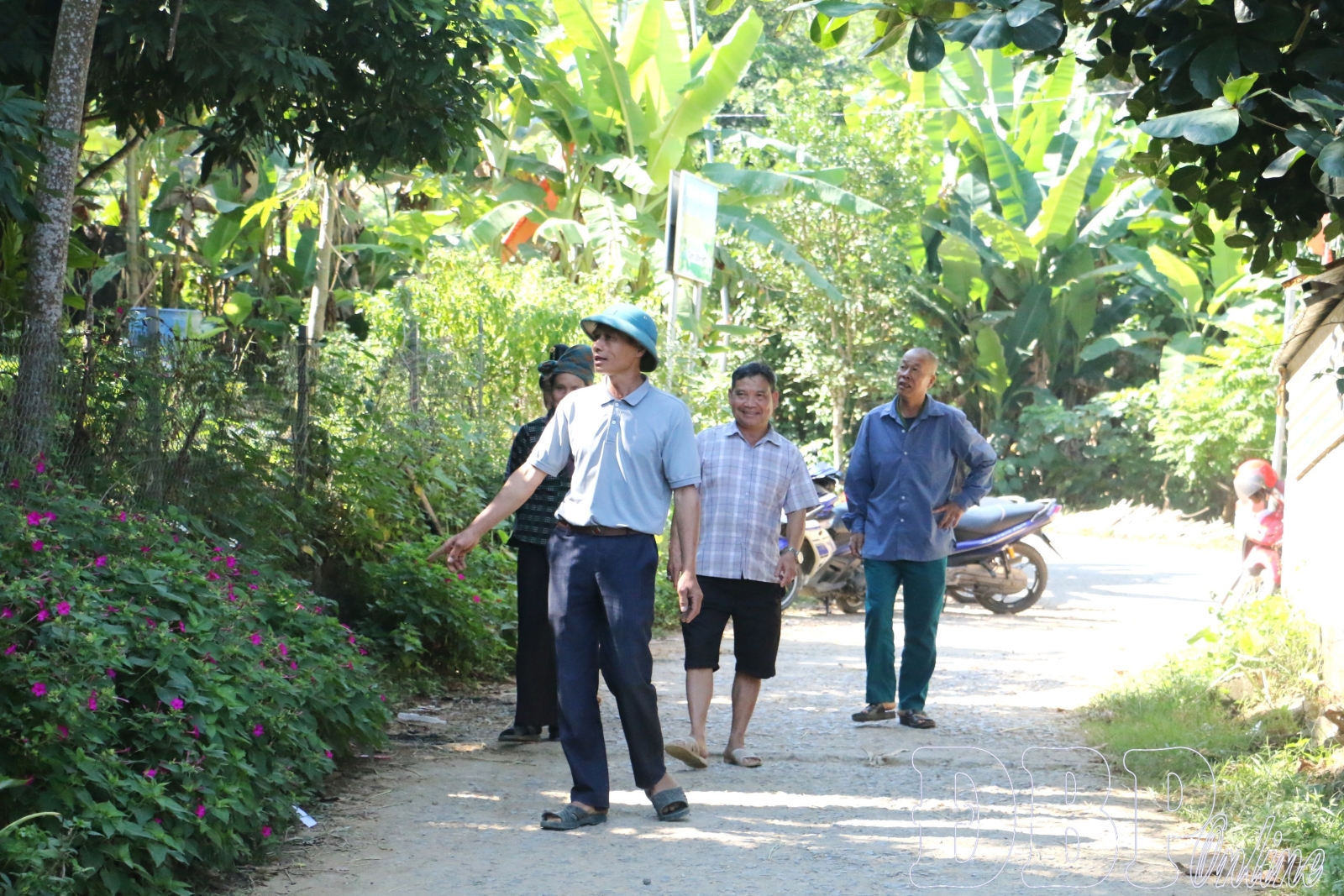
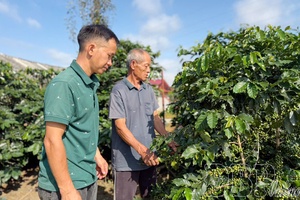
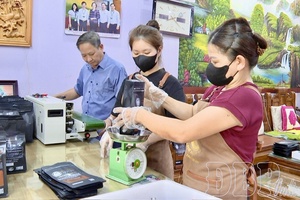
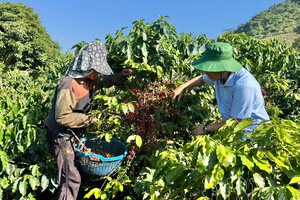
In the rural economy domain, the commune achieved 8 out of 10 component indicators, featuring 5 effectively operating cooperatives, a community agricultural extension team, and the Đào Viên Sơn tourist area. Nonetheless, the locality has not yet formed concentrated, quality-certified raw material zones linked with processing and product consumption, and lacks effective high-tech agricultural or circular economy models. These issues require the commune to integrate multifaceted resources, from infrastructure investment to production reorganization, farm produce off-take support, and income generation.
Kiều Xuân Hoàng, Vice Chairman of the Búng Lao commune People’s Committee, stated: “In the coming period, beyond provincial and central resources, the locality will continue coordinating with the Fatherland Front, departments, sectors, and mass organizations to communicate and mobilize citizens to join hands in building new-style rural areas, fulfilling set targets. For 2026, Búng Lao strives to increase the number of standardized new-style rural commune criteria from 2 to 4 out of 10, focusing on completing the socio-economic infrastructure and rural economic development criteria. Concurrently, the locality sets a target to bring the three villages of Quyết Tiến, Co Nỏng, and Búng to new-style rural standards.”
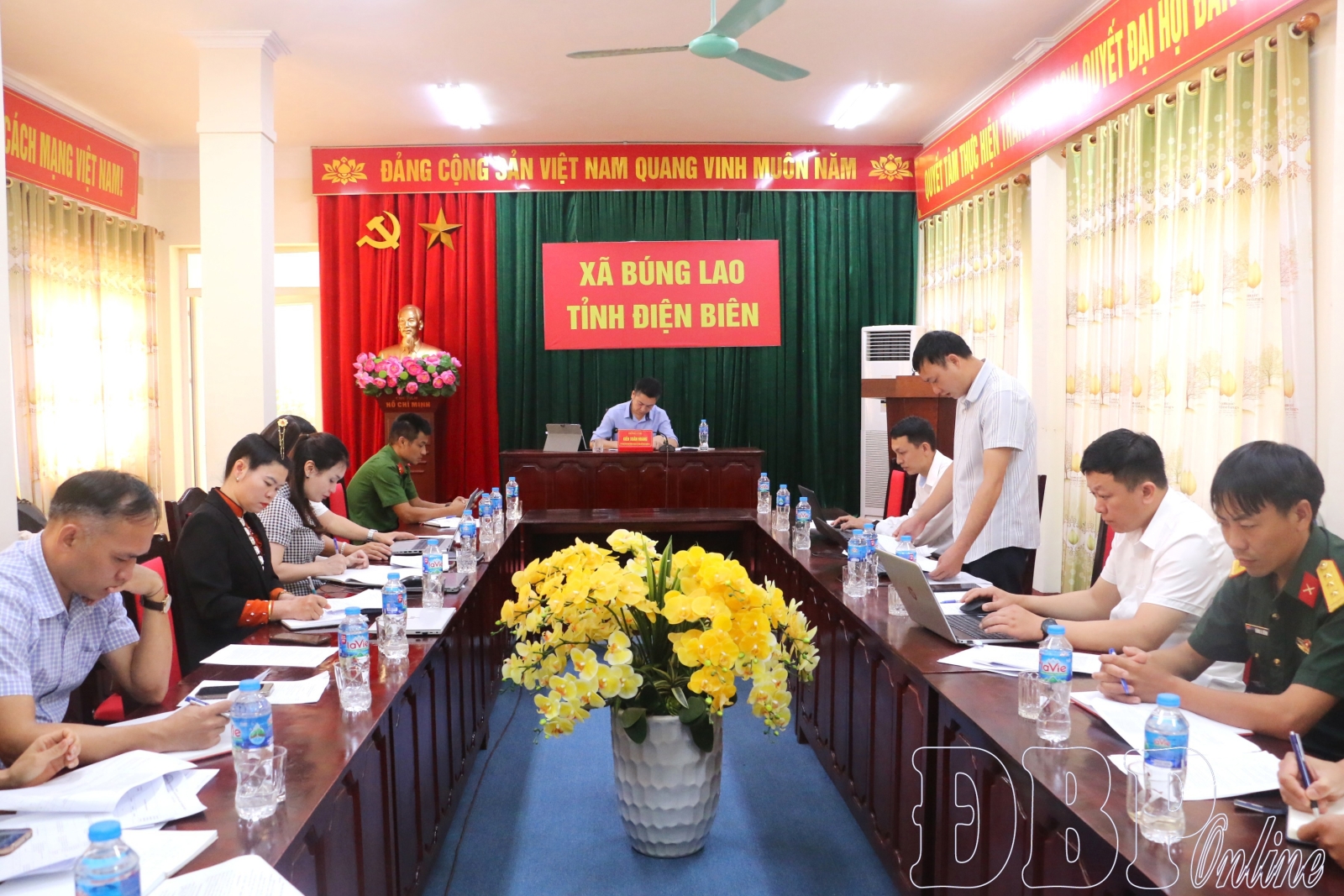
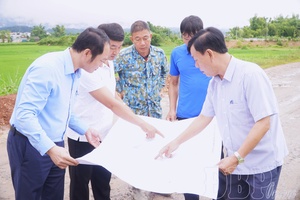
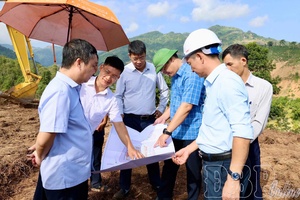
Parallel to mobilizing resources, Búng Lao commune continues reviewing the status of each criterion, clearly identifying fulfilled, unfulfilled, and achievable items to focus execution. This approach aligns community mobilization with concrete assignments, preventing fragmented and spread-out investments.
Anh Nguyễn


You have 500/500 characters left
Please enter 5 or more characters!!!