



Starting next year, instead of worrying about meals throughout June, the month of graduation exam preparation, boarding and semi-boarding students in their final year will receive comprehensive support, giving them peace of mind to confidently face this important exam.
This is the core of a resolution that provides support policies for ethnic minority boarding students, semi-boarding students, and final-year semi-boarding high school learners and educational institutions during the graduation exam preparation period in the province.
Balancing studies and mealtime
In many places, June is when students dedicate themselves entirely to studying for the most important exam of their 12-year academic journey. However, for many high schools in the province, this is also a time of anxiety and burden. Typically, the academic year ends in late May, while the national high school graduation exam takes place in late June, meaning policies for teachers and students (excluding those in full boarding schools) do not apply. At many schools, semi-boarding students prepare for exams in extremely challenging and under-resourced conditions.
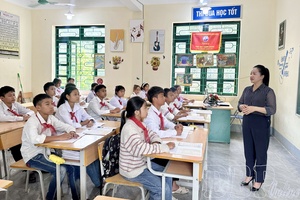
Tả Sìn Thàng Lower and Upper Secondary School, located in one of the most disadvantaged “sinkholes” of the former Tủa Chùa district (now part of Sín Chải commune), faces severe logistical difficulties. With most students coming from poor households, exam preparation season is a heavy burden for students and a constant concern for the school. Every June, in order to maintain accommodations and study conditions for about 70 to 100 graduating students per year, the school must find creative ways to cope.
.jpg)
Hoàng Thị Dung, the school’s principal, shared: “The amount of rice remaining from the state-provided support during the school year for semi-boarding students is saved and used for cooking during June’s graduation exam preparation period. At the end of the school year, the school plans support activities for students during this crucial stage, including forming a committee to mobilize social donations for student meals. However, the resources we can gather are limited. Each week, we can only afford to add 2-3 supplementary meals with essential items such as bottled water, eggs, milk, and biscuits.”
Due to financial hardship and the lack of stable support sources, some students only have meals consisting of vegetables, plain rice, or instant noodles. They cook for themselves in small groups or individually while simultaneously studying for exams. Only during the three official exam days do they temporarily stop cooking, as teachers, youth union members, and some parents step in to prepare meals, with funding continuing to be raised by the school and contributions from families.
“If students receive support during the exam preparation period, they will be able to have three nutritious meals per day, including meat, which would ensure better health for the exam. Both the school and parents have long hoped this policy would become a reality,” added Dung.
The situation at Tả Sìn Thàng School is representative of many high schools across the province with semi-boarding students. This reality not only affects students’ health and mental readiness for exams but also creates an invisible inequality in access to education for students in disadvantaged regions.
A shared joy in remote areas
From this reality, the provincial People’s Council passed a resolution establishing a special support policy for the graduation exam preparation period. This resolution holds great significance and value. It directly addresses long-standing challenges and brings stability while creating favorable conditions for students.
According to the resolution, final-year semi-boarding high school students will receive a meal allowance of VND 936,000 per student per month; accommodation support (if the educational institution cannot provide housing) of VND 360,000 per student per month; and 15kg of rice per student per month. Educational institutions that organize centralized boarding arrangements for students will also receive support for electricity, water, cooking-related expenses, and student management costs. The support period is one month following the end of the academic year.
.jpg)
Upon hearing the resolution was passed, teachers and students at Mường Nhà High School (Mường Nhà commune) were overjoyed. Principal Đỗ Cao Thượng expressed his happiness: “This is great news. Starting next school year, parents will have less financial burden, students can study with peace of mind, and teachers can fully focus on guiding them through their exam preparation without worrying about meal costs. This is an excellent policy that truly aligns with the real needs of our schools. The level of support is appropriate and ensures quality meals for our students.”
In recent years, in order to help students focus during the final preparation stage, Mường Nhà High School has organized two meals per day at a cost of VND 15,000 per meal, with parents agreeing to contribute while students prepare their own breakfast. The school also sought support from organizations and benefactors to provide snacks, milk, and essential items. However, it has been difficult to mobilize consistent contributions from parents.
With the implementation of this policy starting next exam season, the days when teachers have to scramble to secure each meal and students must fend for themselves during the most stressful time of the year will come to an end. Instead, students will receive three nutritious meals a day, allowing them more time and mental clarity to focus entirely on their studies. This support is not only material but also a valuable source of encouragement, showing the province’s deep concern for the educational cause.
The resolution’s value goes beyond simply improving meals. It also helps stabilize schools’ organizational efforts for exam preparation. In the long run, it will contribute to higher graduation rates and open more doors to universities, colleges, and vocational institutions, ultimately creating a high-quality workforce to serve the province’s socioeconomic development.
Nguyễn Hiền
.jpg)

.jpg)
.jpg)
.jpg)
.png)
.jpg)
.jpg)
.jpg)
.jpg)
.jpg)
.jpg)
You have 500/500 characters left
Please enter 5 or more characters!!!