



Located about 40 kilometers from the provincial center, Huổi Nhả village, Mường Pồn commune, is home to 34 Hmong households. In the past, residents relied mainly on upland farming, while the village faced difficult living conditions without access to the national power grid or mobile phone coverage. In 2021, recognizing that its untouched natural environment could become a unique advantage, villagers agreed to send representatives to Sin Suối Hồ village in Lai Châu province to learn about community-based tourism.
After returning, residents discussed and developed an approach suited to local conditions. They agreed to allocate part of the forest environmental services payments to establish a community fund while contributing labor to improve the village landscape. From cleaning public spaces, building stone walkways along streams, constructing rest shelters, and creating scenic spots, every task involved community participation. Families with spacious traditional wooden houses converted them into homestays, while others supplied food, prepared meals, sold handicrafts, or organized hands-on activities such as damming streams to catch fish or casting fishing nets.
Since September 2025, the village’s weekend market has become a signature attraction of Huổi Nhả. Residents bring locally produced honey, upland rice, vegetables, fruits, and other agricultural products to introduce and sell directly to visitors. The market also serves as a cultural gathering space where tourists can gain a deeper understanding of Hmong traditions and daily life.
.jpg)
According to Lầu A Khai, Head of Huổi Nhả village, local residents have learned to create unique tourism experiences by showcasing elements of their own homes. Entrance gates are decorated with traditional Hmong khèn (reed pipe), hammers, sickles, and bundles of rice, turning everyday farming tools into distinctive decorative features. As a result, Huổi Nhả now welcomes an average of 10 tour groups and hundreds of visitors each month.
Meanwhile, Lồng village, Tuần Giáo commune, where 116 Hmong households comprising 552 residents live, has also been actively leveraging its natural scenery and traditional culture to develop tourism. Its cool climate, blooming plum, pear, and wild crabapple blossoms, together with attractions such as waterfalls, Hàm Rồng cliff, Cọp cave, and natural rock formations, provide ideal conditions for nature-based and experiential tourism. The village has preserved its traditional cultural values through architecture, clothing, language, customs, festivals, cuisine, folk songs, and traditional dances.
Since 2023, residents of Lồng village have changed both their mindset and practices to create a tourism-friendly environment. They have cleaned public areas, renovated homes, and relocated livestock pens away from residential areas. A Community Tourism Management Board has been established to assign responsibilities and implement a transparent and equitable benefit-sharing mechanism, allowing residents to participate directly in and benefit from tourism development.
Mùa A Sình, Head of the Village Fatherland Front Committee, said that Lồng village now has four pioneering homestay households capable of accommodating around 20 overnight guests. These households have invested in upgrading facilities while providing accommodation, local cuisine, and cultural experiences. The village has also developed a two-day, one-night tour featuring nature exploration, snail catching in rice paddies, and traditional cultural performances.
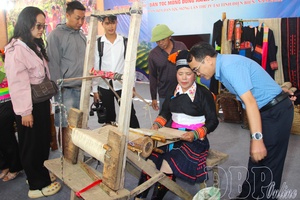
Tourism development has also strengthened efforts to preserve local heritage. Traditional language, writing, architecture, khèn performances, making bánh giầy (glutinous rice cakes), pao throwing, local cuisine, and clan festivals continue to be maintained. Traditional weaving, blacksmithing, basket weaving, and khèn making have been revived, while local specialties such as wild crabapple, snails from Lồng village, black cardamom, and bitter bamboo shoots are introduced to visitors. The village’s cultural performance team regularly rehearses traditional songs and dances for tourism activities.
In Mường Lay ward, residents have actively renovated their homes, developed homestays, and expanded tourism services closely connected with local life. Visitors can enjoy boat trips on the reservoir, experience traditional fishing, prepare local dishes, visit historical sites and craft villages, and learn about the cultures of local ethnic communities.
According to Lù Văn Ánh, Vice Chairman of the Mường Lay ward People’s Committee, more than 30 households are currently engaged in community-based tourism, providing accommodation for nearly 500 guests, primarily along the Đà river. Residents themselves have upgraded their villages, invested in homestays, prepared traditional cuisine, promoted local specialties, organized experiential activities, and preserved cultural heritage. Their active participation has given Mường Lay’s tourism products a distinctive local identity and growing appeal.
As local communities take center stage, community-based tourism has created new sources of income while encouraging the protection of natural landscapes, the preservation of cultural heritage, and the promotion of indigenous values. This approach not only diversifies livelihoods and improves living standards but also transforms the rich cultural heritage of Điện Biên province’s 19 ethnic groups into a sustainable driver of tourism development.
Châu Linh
.jpg)
.jpg)
.jpg)
.jpg)

.jpg)

.jpg)
.jpg)
.jpg)
You have 500/500 characters left
Please enter 5 or more characters!!!