



These represent crucial solutions to elevate attraction, expand markets, attract tourists, and generate momentum to turn tourism into an important economic sector of the province.
.jpg)
In 2025, Điện Biên province welcomed over 1.45 million visitors, with total tourism revenue reaching VND 2,645 billion. This growth momentum continued in the first six months of 2026, when Điện Biên welcomed approximately 990,000 visitors, generating revenue of nearly VND 1,800 billion, representing a roughly 20 percent increase compared to the same period of the previous year. These impressive figures not only reflect the growing appeal of Điện Biên as a destination but also show that tourism is step-by-step promoting its role as a key driver boosting local socio-economic growth.
However, alongside positive results, Điện Biên tourism still faces bottlenecks that require focused resolution. To achieve a strong breakthrough, the Department of Culture, Sports and Tourism has proactively advised, proposed, and synchronously deployed core solutions aimed at creating fundamental shifts in product quality, promotional efficiency, and market connectivity.
.jpg)
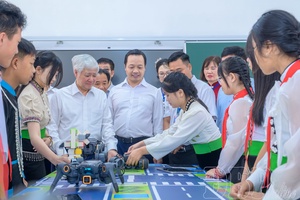
The primary focus lies in developing tourism products toward distinctive, unique, and value-added directions. This involves constructing a product ecosystem imbued with Điện Biên identity, taking historical and cultural tourism as the core, and harmoniously combining it with community, eco-, resort, agricultural, and experiential tourism. Naturally gifted destinations like Pá Khoang Lake, Mường Phăng Forest, Mường Thanh Field, and U Va Hot Mineral Spring are being efficiently leveraged alongside outdoor sports and healthcare activities to shape new offerings.
According to Director of the Department of Culture, Sports and Tourism Trần Hải Hà, alongside product development, it is necessary to step up public-private cooperation to mobilize social resources for tourism development. The State maintains a constructive, orienting, and heritage-preserving role, while enterprises invest in services, apply technology, and develop experiential products, ensuring harmony between exploitation and preservation of historical and cultural values.
.jpg)
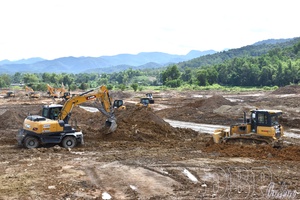
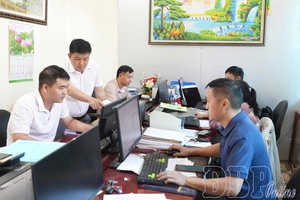
In 2026, the sector plans to deploy a public-private partnership model at the Điện Biên Phủ Victory Museum and complete two cooperation options at Hill A1 and Mường Thanh Bridge. The sector will also advise on issuing mechanisms and policies supporting tourism product development, creating favorable conditions for enterprises to invest in infrastructure, services, and new products at destinations.
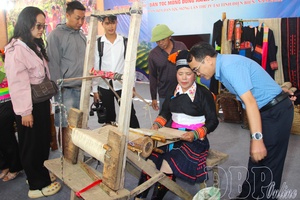
Regarding community tourism, the province is focusing on efficiently deploying the policy of building seven community tourism villages under Resolution No.12-NQ/TU. This includes developing products linked to ethnic culture, traditional crafts, cuisine, characteristic agriculture, and native lifestyles, creating sustainable livelihoods for residents while building competitive destinations.
.jpg)
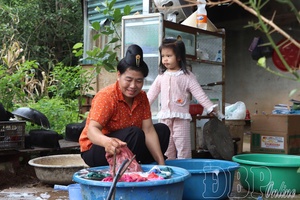
Thùng Thị Lâm, a tourism worker in Nà Sự community tourism village, Mường Chà commune, shared that visitors to Nà Sự are primarily interested in experiencing unique cultural traits such as cuisine, arts, customs, and practices. Therefore, local tourism workers always preserve their ethnic identity, particularly residential architecture and traditional attire, as promoting cultural beauty serves as the key highlight attracting tourists.
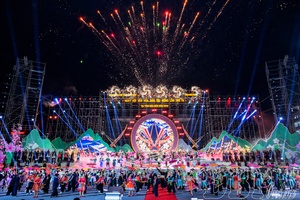
Furthermore, the sector prioritizes innovating promotional mindsets and building the Điện Biên tourism brand in the digital era. This includes organizing Famtrip and Presstrip programs, while strengthening cooperation with media agencies, travel enterprises, airlines, and content creators to spread a more professional, modern, and effective image of Điện Biên. The province also proactively invites enterprises, corporations, and event organizers to choose Điện Biên as the host location for regional, national, and international cultural, artistic, sporting, and tourism events.
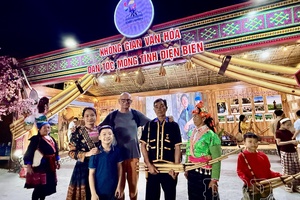
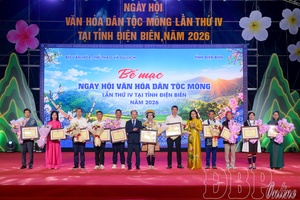
From now until the end of 2026, the sector plans to advise on organizing the Tiền Phong Newspaper Marathon, the National Hmông Cultural Festival, and the 1st International Folk Song and Dance Festival, alongside numerous large-scale cultural, sports, and tourism events to widely promote Điện Biên’s image domestically and internationally.
.jpg)
Crucially, expanding linkages and developing domestic and international tours and routes remain vital. The province continues perfecting inter-regional tourism routes connecting Hanoi, Sơn La, Lai Châu, Lào Cai, and Northwestern provinces, while efficiently exploiting Điện Biên Airport and Tây Trang International Border Gate to expand tourism routes with Northern Laos, Northern Thailand, and Yunnan province, China. Cooperation programs are being deployed with expanded Northwestern provinces, Hồ Chí Minh City, and major travel enterprises to build all-inclusive product packages, forming a synchronous service chain running from transport and accommodation to sightseeing, shopping, and experiences.
Phạm Thị Hồng, a tourist from Hồ Chí Minh City, shared that expanding linkages and building tourism tours and routes will offer more convenient and appealing choices for visitors. She hopes Điện Biên will strengthen connections with localities and travel enterprises to form all-inclusive itineraries, helping tourists explore multiple destinations, experience culture, and stay longer.
Điện Biên tourism stands before favorable development opportunities as transport infrastructure increasingly perfects, connectivity expands, and mechanisms and policies step-by-step synchronize. In particular, Resolution No.12-NQ/TU and Resolution No.16/2026/NQ-HĐND are viewed as the master key opening new headroom for Điện Biên to exploit its potential and create breakthroughs for tourism development.
Sầm Phúc
.jpg)
.jpg)
.jpg)
.jpg)
.jpg)
.jpg)
.jpg)
.jpg)
You have 500/500 characters left
Please enter 5 or more characters!!!