



Part 2: “Out of sight, but never out of mind”
From highland areas to border regions, Party cell secretaries face a new dilemma: how to keep the administrative machinery lean without allowing closeness to the people to narrow? Practical reality illustrates that for resolutions to penetrate life, leadership heads must renew working methods, stay intimately close to the grassroots-level, and set examples across every task. This also marks the journey for newly formed Party cells to swiftly adapt and assert their role as political nuclei within new residential spaces.
Changing methods to stay closer to the people
In Lao Xả Phình village, Sín Chải commune, the transformations of the new Party cell post-reorganization are reflected first and foremost in how its leader arranges work. Since July 1, 2026, Ly A Vừ (born 1986) has been trusted to serve as Secretary of the Lao Xả Phình village Party Cell. Having spent nine years as a village Party secretary and maturing directly within this residential community, he thoroughly grasps the advantages and hardships of each household cluster, each cultivation area, and above all, the unique characteristics of a large-scale Party cell following consolidation.
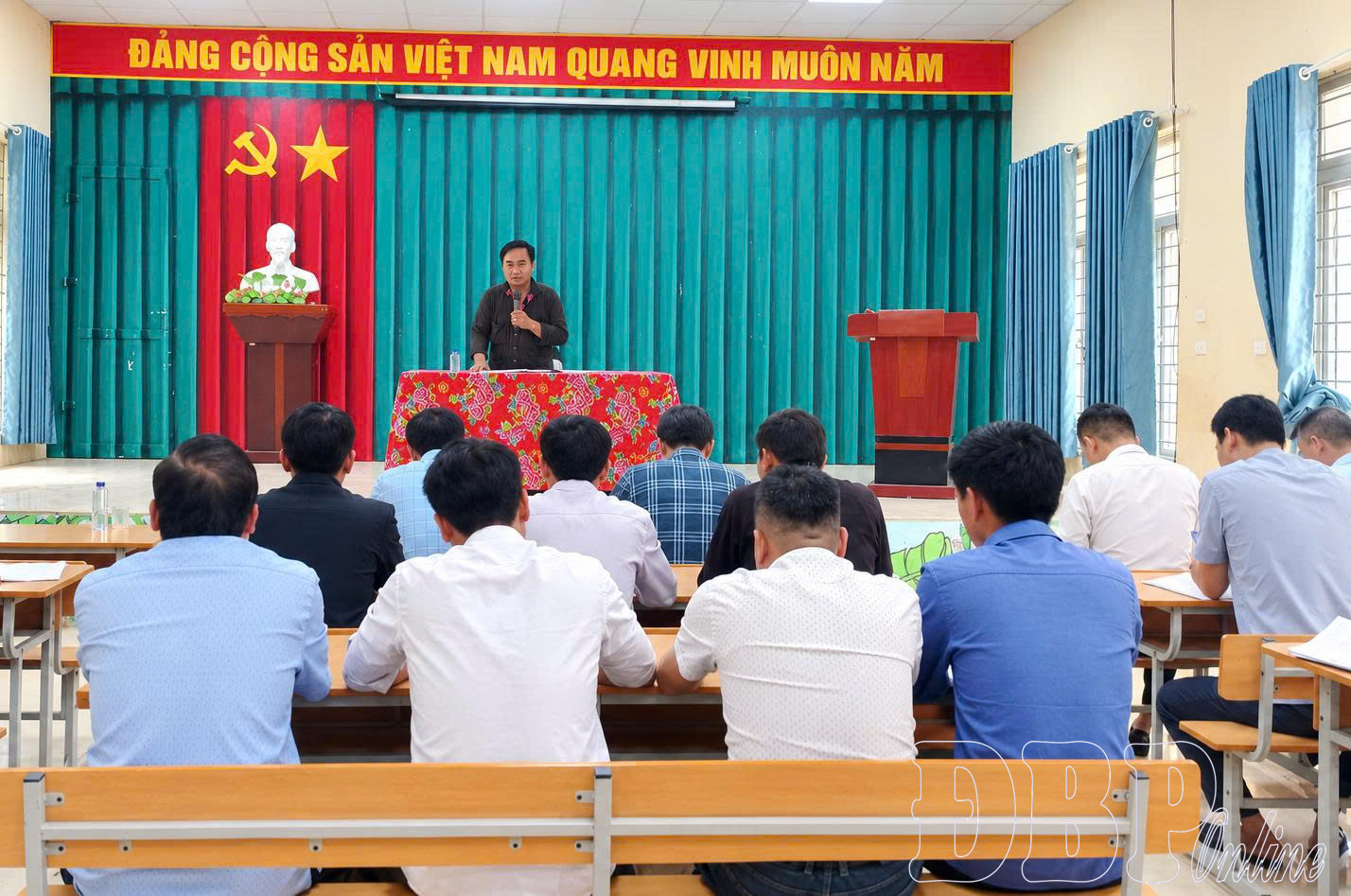
While Party cells of Village 1, Village 2, and Village 3 previously functioned independently, they have now merged into the unified Lao Xả Phình village Party Cell comprising 65 Party members, with seven comrades on the Party Cell. The community scale has also expanded to nearly 300 households and over 1,000 residents.
This new scale injects added strength into the Party organization, but simultaneously poses significant hurdles in the leadership, direction, and administration of the Party cell and its secretary. Due to expansive territory, a growing membership rolls, and numerous young Party members leaving for employment elsewhere, gathering and coordinating work is not always convenient. This demands that the leadership head remain genuinely close to the ground and proactively innovate working methods.
For Secretary Ly A Vừ, the primary challenge is not securing well-attended meetings, but ensuring that every Party member, wherever they may be, grasps the cell’s orientations and assumes responsibility for assigned duties. Forty-five Party members are connected via a Zalo group for timely work exchanges and updates; young Party members engaged in local farming and production are tasked with supervising household clusters. Routine Party cell activities remain scheduled for the 3rd of every month; new guidelines and resolutions are disseminated repeatedly so that Party members and residents comprehend and execute them in unison.
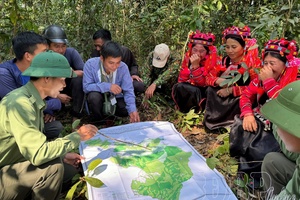
Yet for Secretary Ly A Vừ, maintaining ties with the people cannot rely solely on phones or indoor meetings. He recognizes that in highland terrain, to win public understanding and trust, the leader must physically be present on the ground. During the day, many households head up to swidden fields; certain matters requiring consultation cannot wait until formal meetings. Therefore, he takes advantage of evenings, trudging along pathways to each home. On some nights, a flashlight serves as his guiding beacon to reach individual families, assess their circumstances, clarify new policies, and listen to villagers voice hardships in daily life and production.
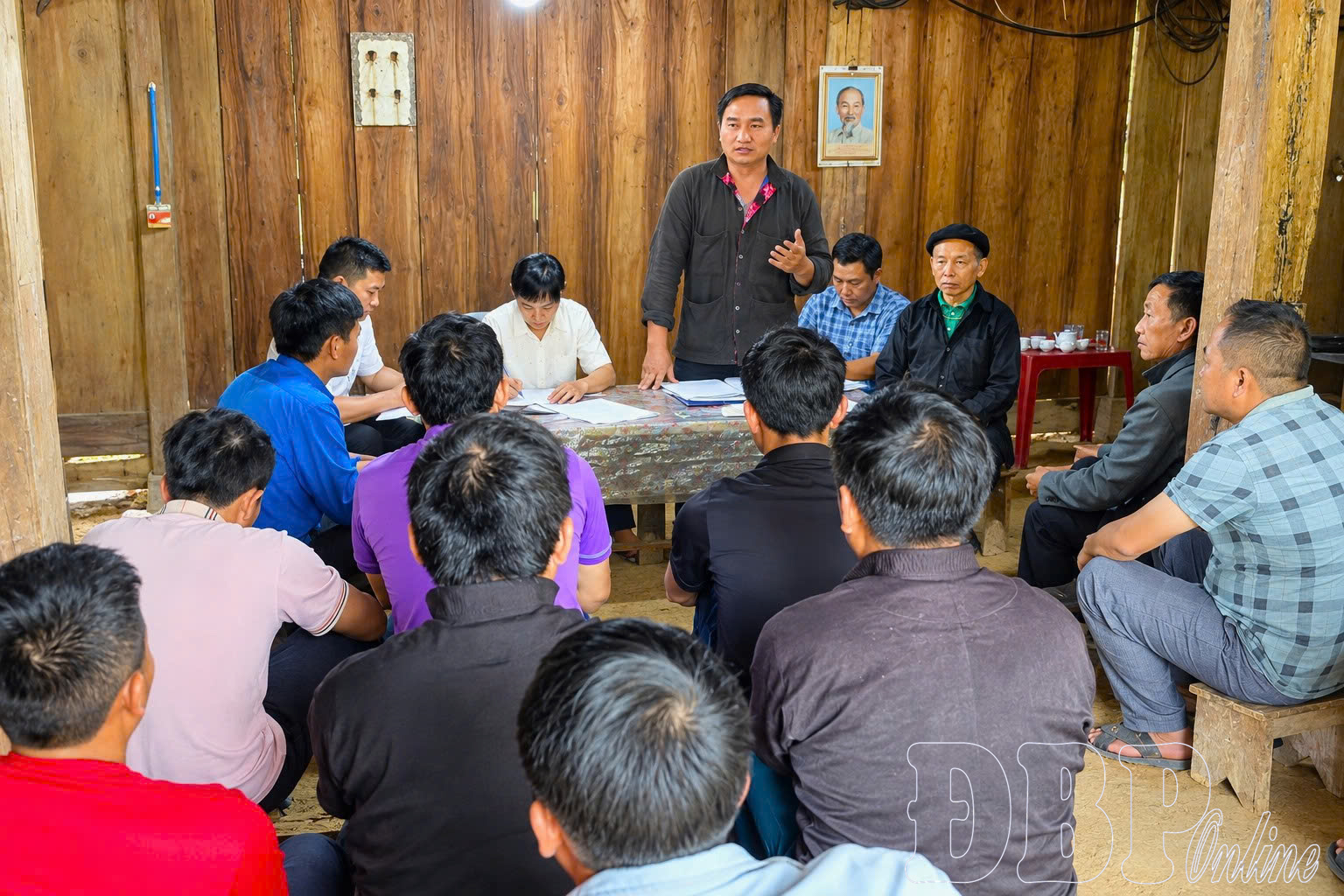
“As a secretary, I must stay close to the people, knowing what villagers need, which family is struggling, and explaining whatever is not yet understood. One must make the effort to reach the people so they trust and consent to the Party cell’s orientations,” Ly A Vừ affirmed.
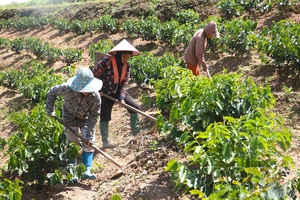
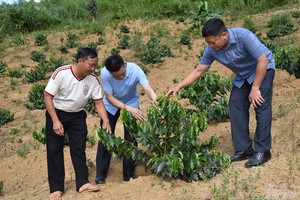
In Lao Xả Phình, local livelihoods have historically relied on cultivating maize and rice; across his own family’s swidden land, Vừ introduced coffee and macadamia while continuing to tend existing Shan tuyết tea bushes. In addition to 500 coffee and macadamia saplings supported by the State, he paid out of his own pocket to purchase an additional 500 coffee plants. He chose to lead the way and do real work to mobilize fellow villagers to follow suit. In 2026, Lao Xả Phình village is striving to develop over 100ha of these two crops.
The Party cell is larger and the territory wider, but the leader must be even closer to the people. From renovating communication channels with Party members to maintaining close touch with each household, and from persuasive mobilization to setting a direct personal example in production, Secretary Ly A Vừ has concretized the leadership role through practical deeds. Though geographically farther apart, the bond connecting the Party cell with the people must grow ever tighter.
Linking livelihood development with securing local territory
If in Điện Biên’s highland villages closeness to the people begins with understanding each home and grasping each circumstance, in border areas, a Party cell secretary’s responsibility is intertwined with partnering with the people to safeguard land, protect villages, and preserve peace along the fatherland’s frontier fence. Take Tá Miếu village in the border commune of Sín Thầu: located in the nation’s westernmost corner over 250km from the provincial center, it hosts the A Pa Chải border opening linking the Việt Nam - China frontier. Following the restructuring, Tá Miếu village was consolidated from Tá Miếu and Pờ Nhù Khồ, comprising 126 households and 475 residents; its Party cell has 31 members.
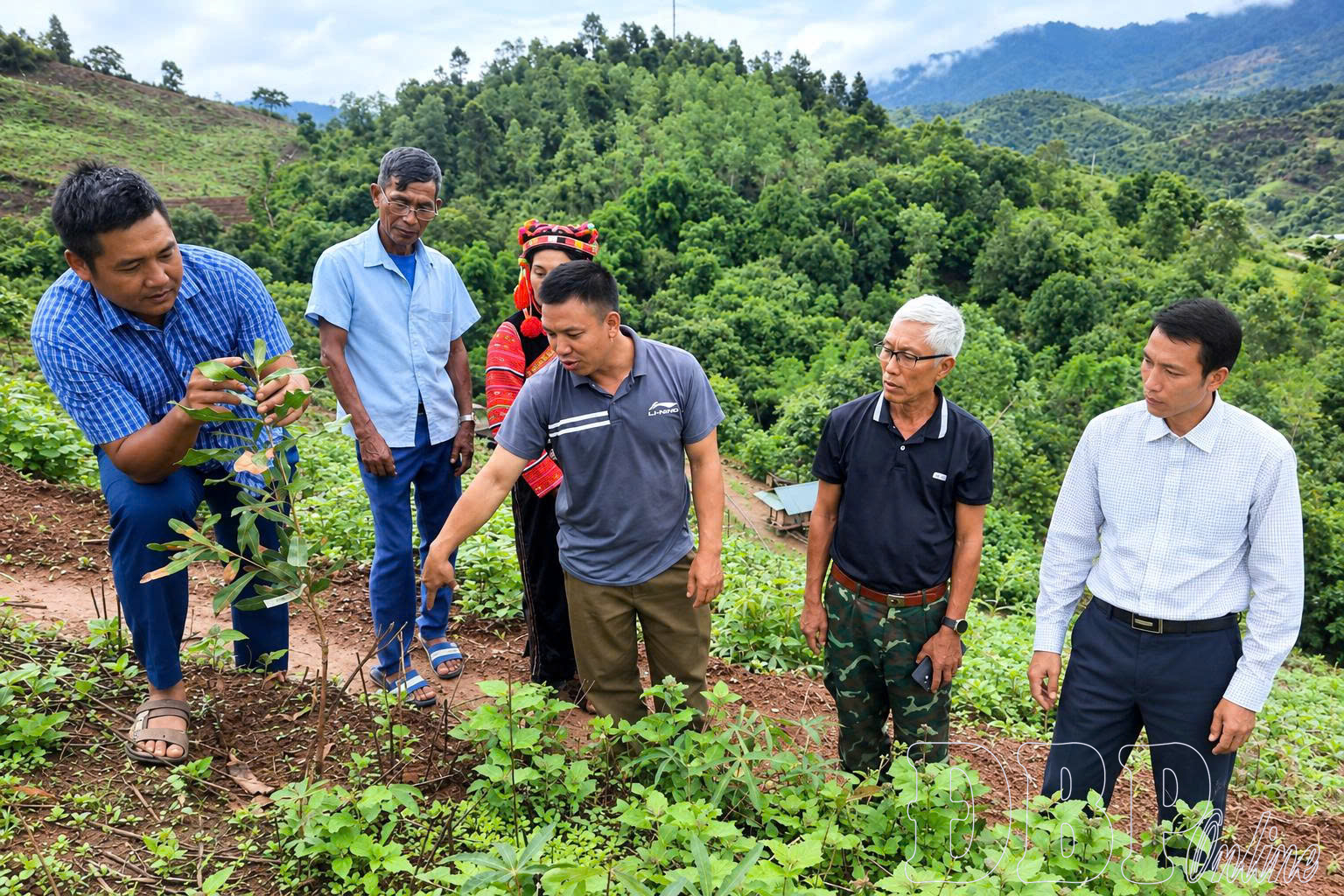
For the new Secretary of the Tá Miếu village Party Cell Chu Khai Dèn (born 1991), a broader territory entails demands for deeper immersion. Party cell affairs cannot remain confined to meeting halls, but must reach each household, production zone, and border patrol trail. Resolutions are concretized through actions closely aligned with daily life: mobilizing residents to maintain security and order, participating in patrols to protect boundary lines and border markers; and advancing production to raise income so villagers feel secure remaining rooted in their village.
Practical experience in Sín Thầu demonstrates that residents have directly taken part in managing and safeguarding boundary lines and markers. During the 2020-2025 period, local forces and citizens organized hundreds of patrol turns. For Secretary Chu Khai Dèn, preserving village peace and looking after residents’ livelihoods are not two separate assignments. When living standards stabilize, villagers enjoy greater conditions to stay attached to their homeland, partnering with local authorities and functional forces to safeguard border territory.
Alongside mobilizing residents for border defense, the Tá Miếu Village Party Cell concentrates leadership on production development. In 2026, the Party cell mobilized villagers to plant 50ha of coffee, 50ha of intercropped macadamia, and 20ha of sugarcane, progressively creating additional livelihoods and reducing dependence on traditional subsistence crops.
“Guarding the border is a collective community responsibility, but for villagers to stay rooted with peace of mind, their livelihoods must be secured. When household economies develop with stable incomes, residents gain added time and conditions to engage in shared village affairs, partnering with border guards and forces to protect boundary lines and national landmarks,” Secretary Chu Khai Dèn shared.
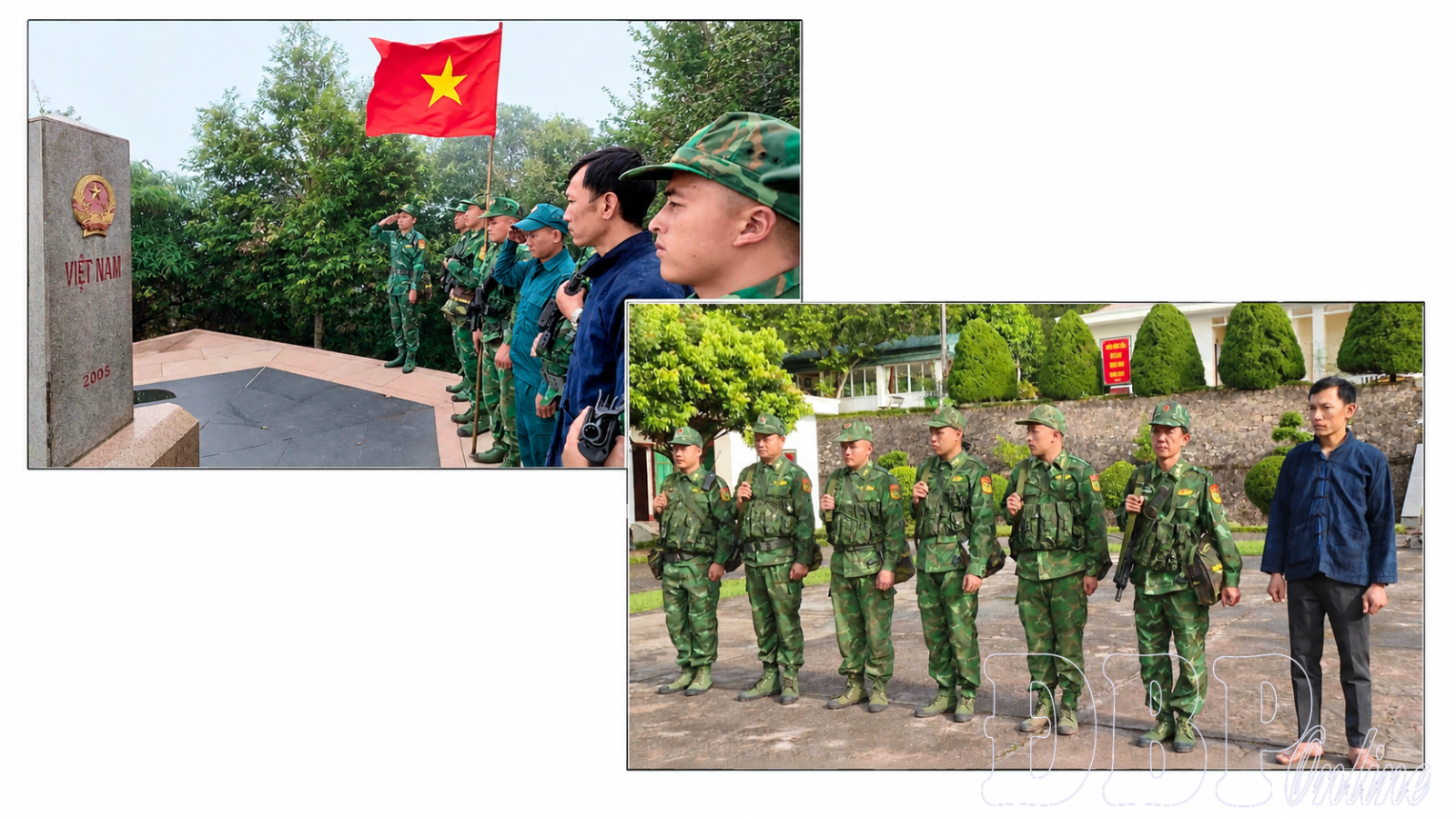
In Sín Thầu, economic advancement is closely intertwined with preserving security, order, and territorial sovereignty. Having stable livelihoods and earnings provides residents with greater conditions to remain attached to their village and participate in communal endeavors. For the Party cell head, expectations thus extend beyond passing resolutions to translating guidelines into concrete actions attuned to daily life and local terrain.
From highland villages to border lands, post-reorganization imperatives for Party cells lie not merely in adapting to larger scales, but more crucially in sustaining profound attachment to the people, elevating leadership capacity, and organizing task fulfillment directly from the grassroots level.
Elevating fighting capacity from the grassroots level
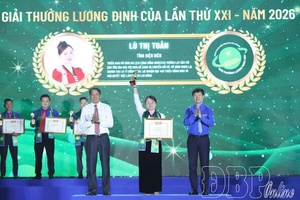
At the 2026 Commendation Ceremony for Outstanding Party Cell Secretaries, General Secretary Tô Lâm emphasized: the Party cell secretary is both the “political core” leading and orienting the cell to execute Party resolutions, and the “architect” organizing, administering, and assigning tasks to Party members, acting as the bridge linking the Party’s will with the people’s heart. A Party cell secretary must translate Party resolutions into life, tackling concrete grassroots-level challenges through exemplary conduct, dedication, and responsibility.
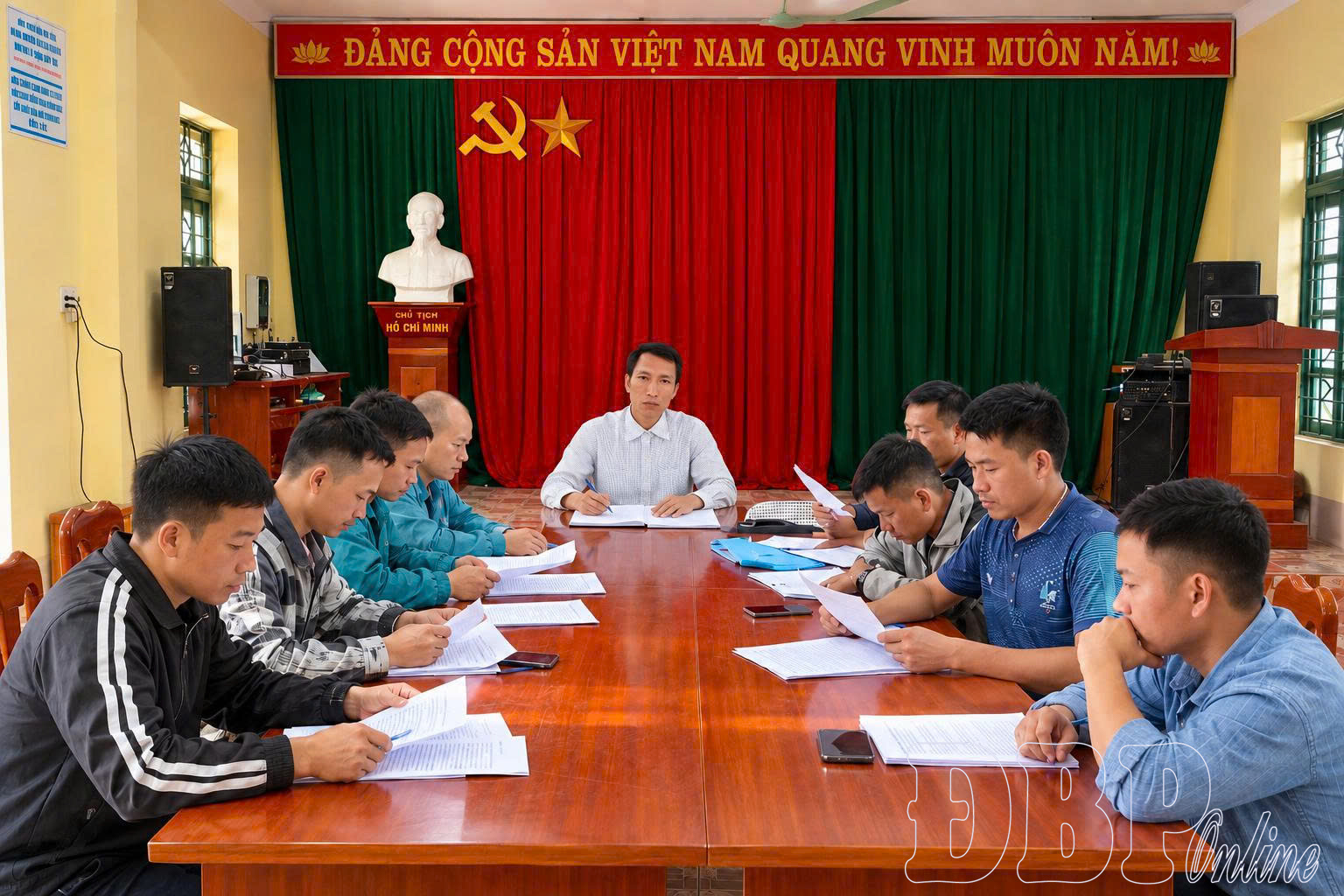
Examining practical realities in Lao Xả Phình and Tá Miếu, these requirements are being materialized in how each Party cell organizes and executes its assignments. From resolution to real life, the gap is narrowed when Party cell secretaries and members stay rooted in their localities, grasp what the people need, promptly resolve emerging bottlenecks, and work shoulder-to-shoulder with the citizenry.
Innovating leadership methods therefore does not necessarily begin with grand projects. It can emerge from organizing a more effective meeting format, assigning Party members to specific household clusters, or dedicating extra evening hours to visiting localities, listening to and resolving issues concerning the public. Through transformations in organizational execution, the Party cell’s role is affirmed more distinctly in community life, and ties connecting the Party organization with the people are solidified through daily deeds.
According to Trần Văn Sơn, Deputy Secretary of the Party Committee and Chairman of the People’s Committee in Sín Chải commune, the most critical imperative for the contingent of Party cell secretaries today is changing from awareness to action; each individual must engage in self-study, sharpen skillsets, stay close to local reality, and uphold an exemplary vanguard role. This also serves as the path for each post-merger Party cell not merely to grow “larger” in size, but to become genuinely stronger in leadership capacity, closer to the people, and more efficient in task execution.
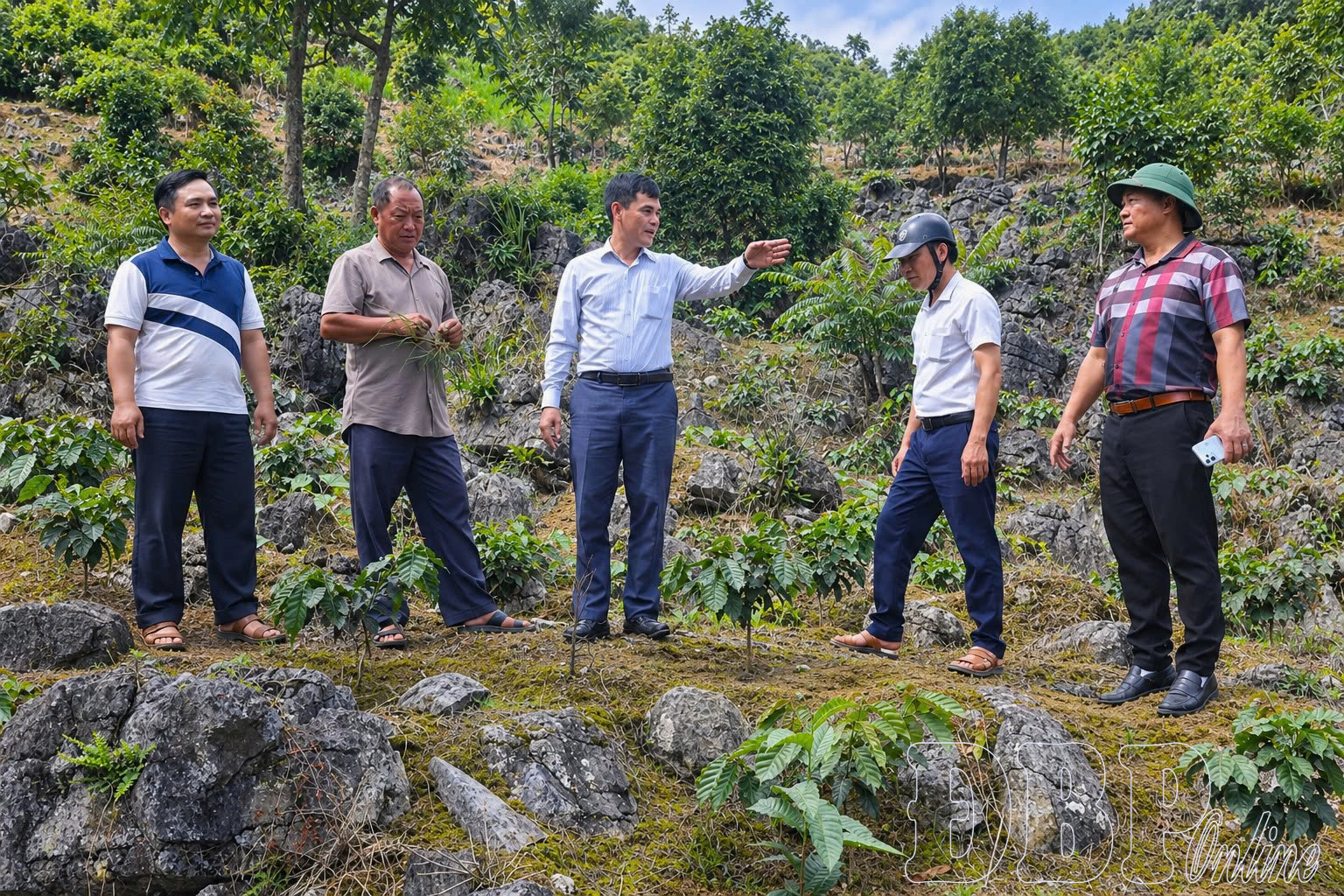
Following administrative consolidation, geographical space is wider and Party cell sizes are larger, yet leadership efficacy continues to be demonstrated through concrete facets of the people’s lives. From delegating Party members and understanding each household to joining citizens in advancing production, guarding villages, and defending borderlands, leadership heads are progressively adapting to new demands. Such transformations are meaningful only when enabling Party cells to better assert their core role across communities, ensuring Party orientations are realized in touch with reality. And as newly unified residential communities steadily coalesce, the subsequent challenge lies in how Party cells can serve as a steadfast bridge linking the Party’s will with the people’s heart.
Bùi Quang - Chu Linh - Hà Linh

You have 500/500 characters left
Please enter 5 or more characters!!!