



Through this approach, enterprises have aligned production and business tasks with Party building; promptly supplementing forces and consolidating Party organizations within their units.
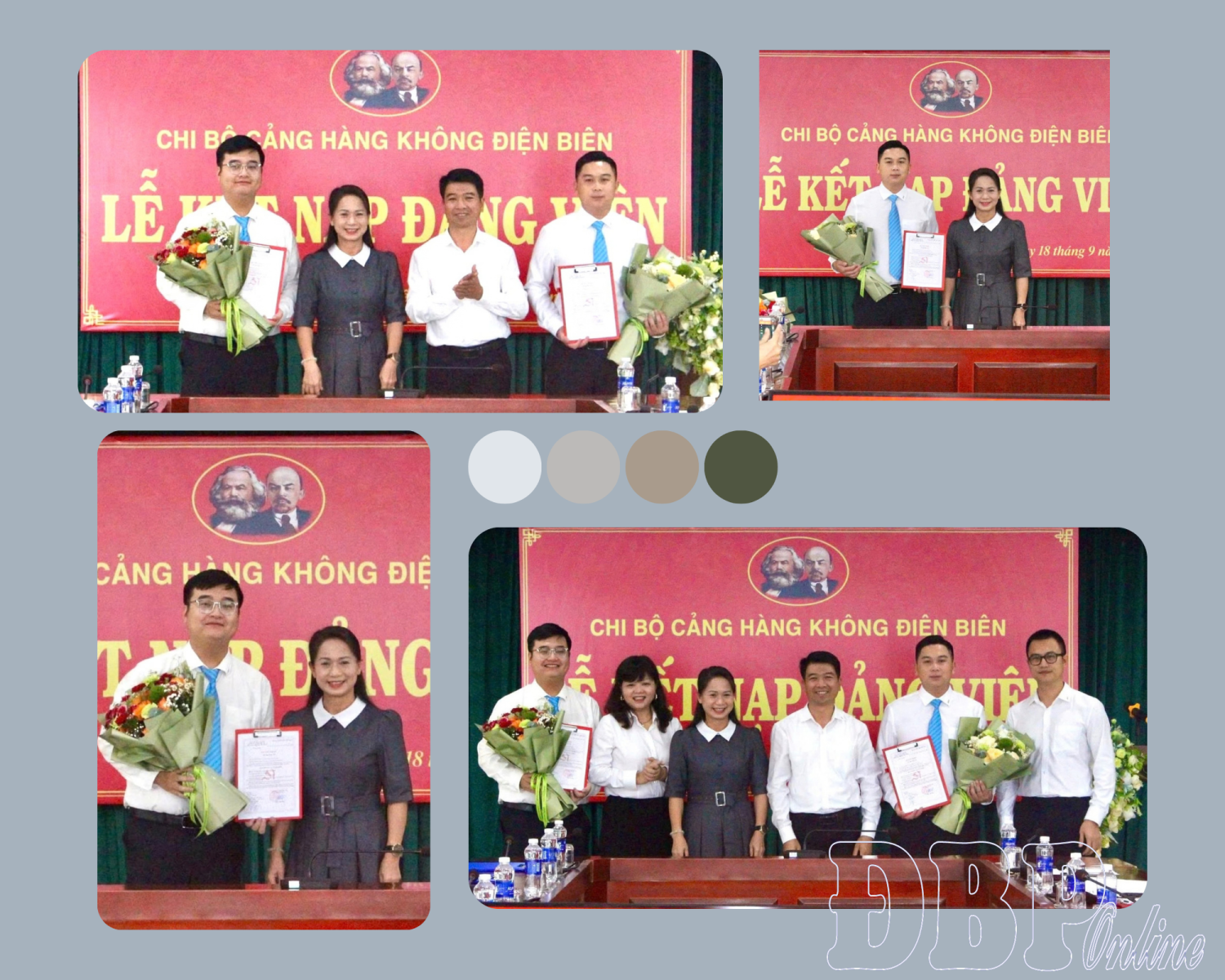
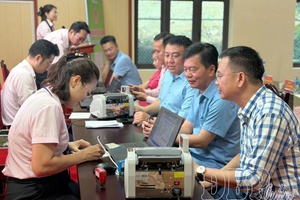
In September 2026, the Điện Biên Airport Party Cell admitted two outstanding mass individuals, Lò Minh Thắng and Đoàn Anh Minh, into the Party. Joining the Party ranks is the culmination of training, striving, and successfully fulfilling assigned duties. The two newly admitted Party members represent an important reinforcement, contributing to rejuvenating and building succession forces for the cell.
Established in 1994, the Điện Biên Airport Party Cell currently has 27 Party members. In Party development work, the cell does not place heavy emphasis on chasing sheer numbers, but focuses on identifying mass individuals who demonstrate a high sense of responsibility, a progressive mindset, and prominent roles in daily tasks to nurture and cultivate as prospective candidates. Outstanding mass individuals are assigned tasks, granted favorable conditions for self-improvement, and monitored and supported by Party members throughout their endeavors.
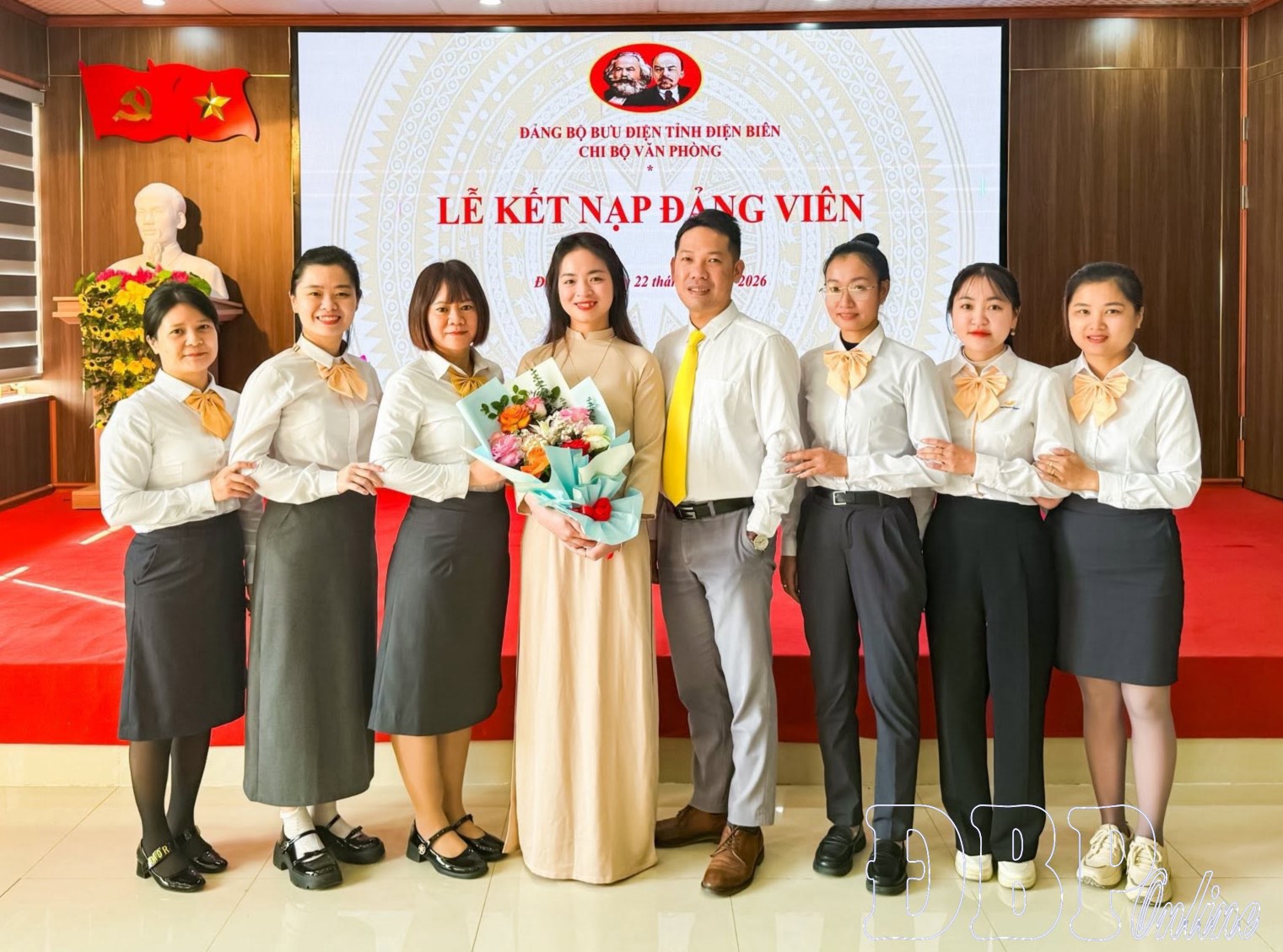
Lò Thị Yên, Secretary of the Điện Biên Airport Party Cell, stated: “Drawing from our unit’s practical operations, the cell focuses on identifying prospective sources directly within the staff and workforce; evaluating, selecting, and fostering candidates through daily work and performance outcomes. This is how the cell progressively builds a quality source of Party members, meeting task requirements and contributing to building a steadfast Party organization.”
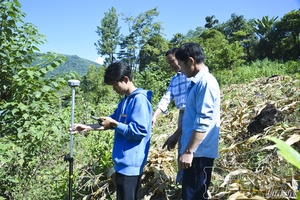
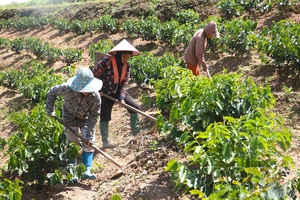
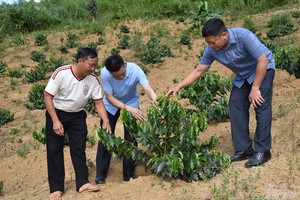
Currently, the grassroots-level Party Committee of Điện Biên Rubber Joint Stock Company oversees five subordinate cells: the Office Cell, the Mường Chà Rubber Team Cell, the Tuần Giáo Rubber Team Cell, the Điện Biên Rubber Team Cell, and the Processing Plant Cell, with a total of 81 Party members. In its operations, the company Party Committee identifies Party member development as a vital task to supplement manpower, cultivate succession pools, and elevate the leadership role of the Party organization within the enterprise.
Grounded in practical production, business, and operational realities across subordinate units, the Party Committee focuses on discovering capable, responsible, and active mass workers to place them under cultivation and development. Political, ideological, moral, and lifestyle education is prioritized; the study and dissemination of Party resolutions and directives alongside State policies and laws are tied to the specific tasks of each department and individual worker. In 2026, the company Party Committee set a target to admit seven new Party members. To date, one outstanding individual has been admitted to the Party; the remaining six dossiers are being finalized, striving for admission in October 2026.
Nguyễn Công Tám, Chairman of the Board of Directors and Secretary of the Party Committee of Điện Biên Rubber Joint Stock Company, shared: “Focusing on developing Party members directly from frontline laborers contributes to adding youthful vigor, generating cadre sources, and progressively elevating the leadership capacity and combat strength of the Party organization in the enterprise. Furthermore, the Party Committee continues to maintain regular routines and enhance the quality of meetings across the Party Committee and subordinate cells, thereby bringing into play the role of Party members in production, business, and corporate development.”
In the course of economic development, the private business sector plays an increasingly vital role, generating employment and contributing to local growth. Alongside this, building Party organizations and developing Party members within private enterprises across the province has progressively received focused attention as the number of Party members engaged in private business has grown across periods.
According to the report reviewing 20 years of implementing Regulation No.15-QĐ/TW dated August 28, 2006, of the 10th Party Central Committee on Party members engaging in the private economy and eight years of implementing Conclusion No.29-KL/TW dated January 31, 2018, of the Politburo, the number of Party members involved in the private economy across the province increased from 35 (in 2006) to 309 (in 2025). Within this, the composition of the Party member contingent in the private economic sector has undergone positive shifts.
In 2025, among the total 309 Party members working in the private economy, 31 are business owners, 38 hold managerial positions, and 240 do not hold managerial titles. Compared to 2016, the number of Party members who are business owners rose from 9 to 31; the number holding managerial positions increased from 11 to 38. The proportion of Party members who are business owners and hold managerial positions climbed from approximately 11.4% in 2016 to 22.3% in 2025.
The number of private enterprises employing laborers who are Party members has increased substantially. While there were 6 enterprises in 2006, the figure grew to 31 enterprises by 2025. The number of private enterprises owned by Party members rose to more than 31. This reality proves that Party building in the private economic sector is progressively becoming substantive. From frontline workers and managerial personnel to business owners, outstanding individuals identified, fostered, and admitted to the Party are providing additional strength for building Party organizations within enterprises.
Proactively discovering and nurturing outstanding mass individuals directly in labor, production, and business creates supplementary momentum for Party building in enterprises. When capable, responsible, and prestigious individuals join the Party ranks, the leadership role and combat strength of Party organizations are elevated, while creating conditions for Party members to uphold their pioneering vanguard role, helping drive the private economy toward stable, oriented, and sustainable growth.
Phạm Quang




You have 500/500 characters left
Please enter 5 or more characters!!!