



Voter contacts, direct dialogues held by communal leaders, alongside the close oversight of village and hamlet cadres, have become occasions for citizens to entrust their thoughts and aspirations, thereby promptly resolving difficulties and bottlenecks arising at the grassroots.
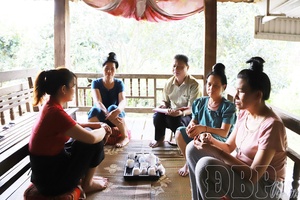
Pá Nặm village, Sam Mứn commune, officially commenced operations on July 1, 2026, through the merger of the former Pá Nặm village and Na Ten village. Post-merger, the village houses nearly 300 households with over 1,200 residents. With an expanded territory and an increased number of households, the responsibilities of the village head have also multiplied. In his capacity as village head, Cà Văn Sinh has devoted substantial time to visiting each residential cluster, meeting villagers to grasp living conditions, and listening to their thoughts, aspirations, as well as emerging difficulties and hurdles. Through these conversations, opinions and petitions from residents are recorded and categorized by him. Matters falling under the village’s remit are proactively coordinated with mass organizations for resolution, while issues exceeding local competence are consolidated and reported to communal Party committees and authorities for consideration and settlement.
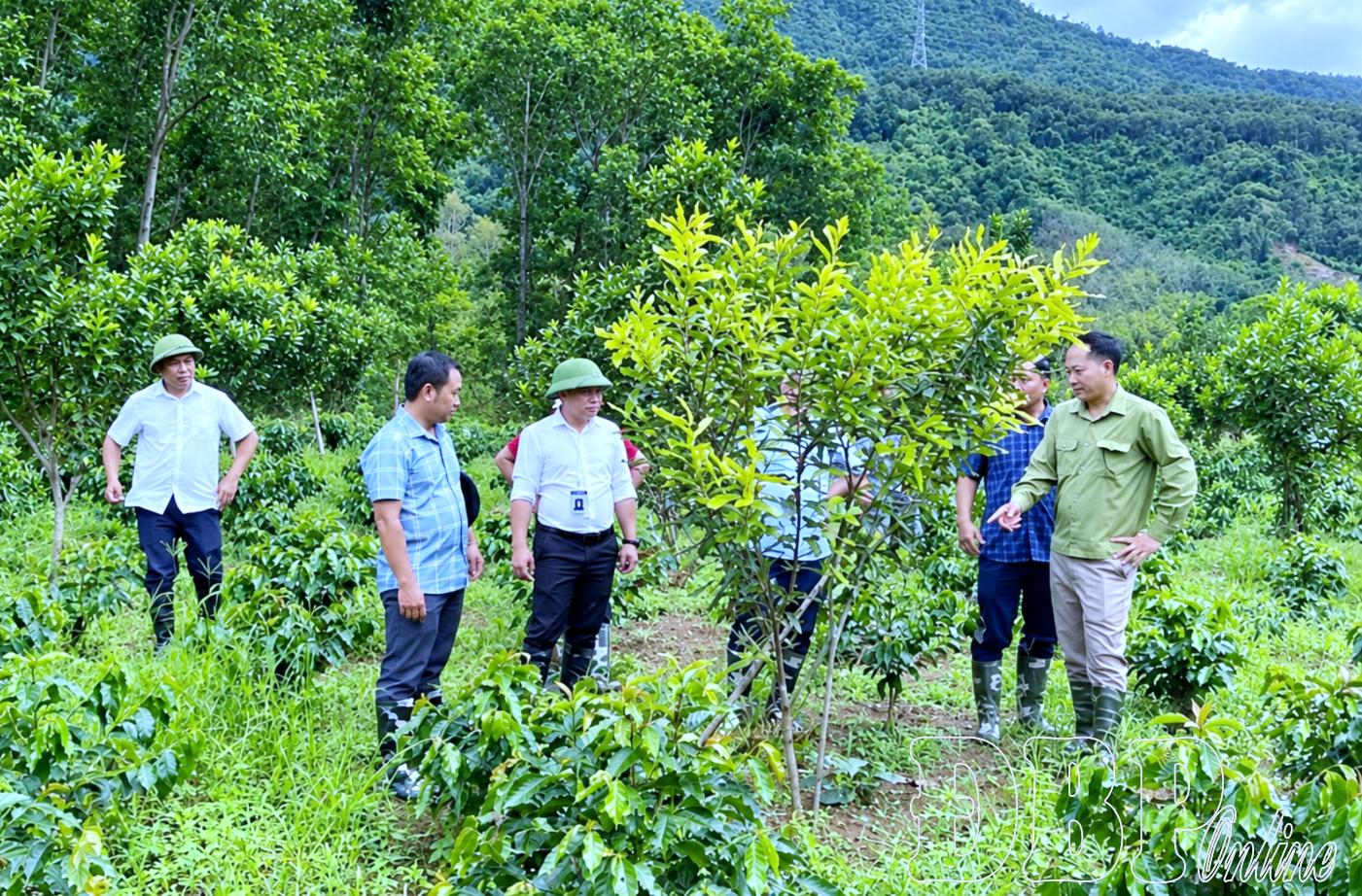
Cà Văn Sinh, head of Pá Nặm village, shared: “Merging two villages into one made the geographical distance much greater than before. However, whenever issues arise that demand immediate settlement, one cannot delay. Recently, villagers reported that certain works during construction affected local households; as soon as I received the news, I inspected the site promptly, verified actual conditions, and engaged all parties to find a resolution. Through objective analysis, the parties clearly understood the issue and agreed on a reasonable, harmonious approach.”
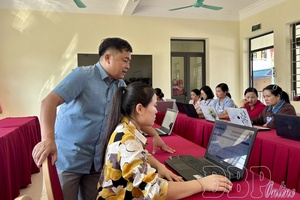
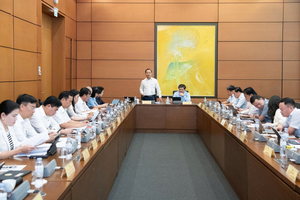
In Mường Lay ward, the thoughts and aspirations of citizens are regularly captured by Party committees and administrations through voter contact sessions, Party cell meetings, village gatherings, and related forums. At these meetings, matters within local jurisdiction are heard, discussed, and specifically addressed by ward leaders; petitions requiring further study are synthesized and forwarded to functional agencies for the earliest possible handling. From early 2026 to date, leadership of the ward Party Committee, People’s Council, and People’s Committee has received nearly 100 opinions and recommendations from voters and residents. Fundamentally, all feedback and petitions have been reviewed and handled strictly within competence.
Giàng A Phông, Secretary of the Xà Phìn village Party Cell, said: “What encourages us most is that many opinions, once raised, receive specific uptake and responses from ward leaders. For issues such as investments in transport roads or the repair and upgrading of cultural houses, the administration also takes note and synthesizes them for review and resolution. Thanks to this, we have grounds to report back to the people, helping villagers better understand what can be resolved immediately and what requires more time.”
Alongside voter contacts, village meetings, and direct dialogues, several localities have proactively organized regular open forums to listen to the people’s thoughts and aspirations. For instance, in Mường Mùn commune on October 14, the communal Việt Nam Fatherland Front Committee organized the “Month of Listening to the People” conference in Mường village. Here, citizens candidly expressed opinions and raised petitions regarding life and production, such as: crop seed assistance; investment in irrigation works and transport infrastructure; management of forested swidden land; development of macadamia, coffee, and rubber acreage; alongside issues concerning local security, order, and community affairs in the village. Based on public feedback, Mường Mùn commune leaders and representatives of specialized agencies directly engaged in discussions, answering points within their remit; and received and consolidated petitions requiring on-site verification, coordinated settlement, or resource allocation.
Trần Khắc Tuấn, Secretary of the Party Committee and Chairman of the People’s Council of Mường Mùn commune, stated: “To ensure that people’s opinions and petitions are heard and resolved thoroughly, Party committees and authorities always define the responsibility of each individual and the timeline for handling each issue; prioritizing matters directly affecting living conditions, production, land, and public welfare works. With the ‘Month of Listening to the People’ conference, the commune aims to create an open space where citizens boldly voice their concerns and difficulties in daily life. From there, cadres acquire additional real-world insights, gain a deeper understanding of the people’s needs, and advise and propose solutions appropriate to local conditions.”
Through proactiveness and flexibility in the methods of Party committees, administrations, and grassroots cadres, the thoughts and aspirations of the people are grasped promptly, and difficulties and bottlenecks are progressively untangled. Through this, the People’s trust in Party committees and authorities is reinforced. This also serves as the bedrock for building a two-tier local governance system that is genuinely close to the people, aligned with the people, for the people, and in service of the people.
Quang Long


You have 500/500 characters left
Please enter 5 or more characters!!!